
01 Oct 9 Common Childhood Illnesses Every Parent Should Know (and How to Catch Them Early for Peace of Mind)
9 Common Childhood Illnesses Every Parent Should Know (and How to Catch Them Early for Peace of Mind)
By Island Hospital | 1 October 2026. 10:00:00 AM
When your child wakes up crying at 2:00 AM with a burning forehead or a cough that sounds serious, the internet can be a frightening place.
Standard medical websites often give you a laundry list of terrifying symptoms, leaving you trapped between two extremes:
- Ignoring a potential emergency or
- Spending six hours in a crowded ER for a common cold
Childhood health has evolved, and the challenges have become more invisible for parents. Between digital fatigue and the complexities of the modern gut, the “wait and see” approach often feels insufficient.
Instead of a static checklist, this guide provides a high-stakes roadmap, giving you the clarity to stay level-headed and the confidence to act when it counts.
The Parents’ Home Assessment
When your child is ill, your first job is to determine the level of urgency. Use this “Traffic Light” system to categorise their symptoms:
1. Green Light: Comfort (Manage at Home)
2. Yellow Light: Call Your Pediatrician or Health Line
3. Red Light: Emergency (Go to the ER Now)
De-Escalating High-Panic Conditions at Home
Some illnesses look like life-threatening emergencies but are often manageable with the right knowledge.
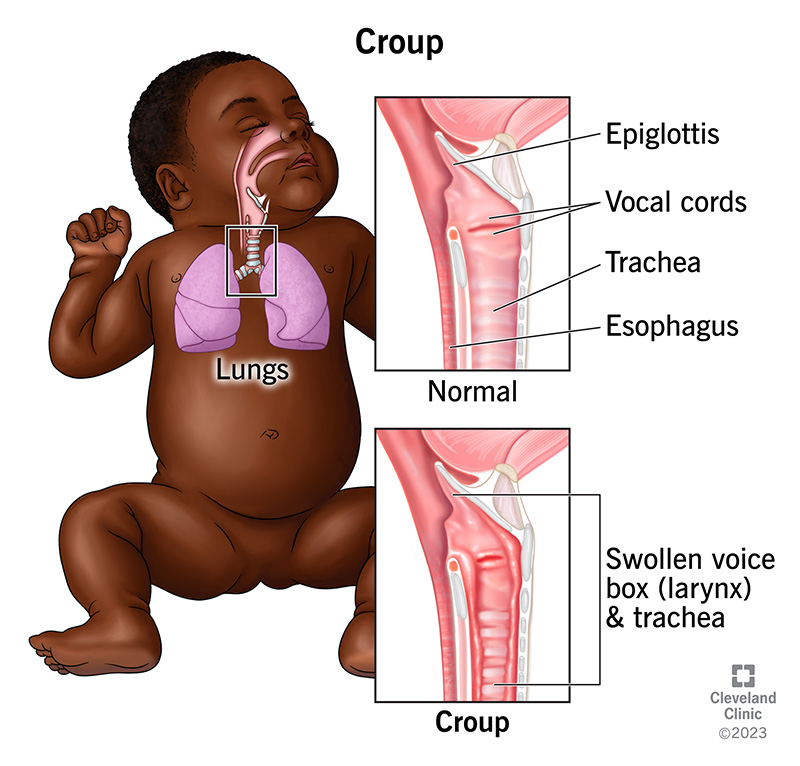
1. Croup (The “Barking Seal” Cough)
Croup is an inflammation of the upper airway. It sounds like a harsh, barking cough and often worsens at night.
Parents’ Action:
- First of all, it is important to stay calm. If you panic, your child’s heart rate will rise, which constricts their airway further.
- Try “The 10-Minute Rule”: Sit with your child in a steamy bathroom or take them outside into the cool night air.
If the barking doesn’t soften after 10 minutes, seek medical help.
2. Febrile Seizures (Fever Convulsions)
Witnessing your child have a seizure due to a rapid spike in fever is one of the most frightening experiences a parent can face.
But in the midst of this it is important to remain a calm composure and note of these items:
- The Reality: Most febrile seizures last less than a few minutes and do not cause brain damage or indicate epilepsy.
Parents’ Action:
- Clear the floor of hard objects.
- Roll the child onto their side to keep their airway clear.
- Never put anything in their mouth.
- Time the seizure. If it lasts longer than 5 minutes, call emergency services immediately.
The New Common Childhood Illnesses
Parenting today feels different because our kids are raised in a world that’s moving faster than their bodies and brains were ever meant to go.
To help them thrive, we have to recognise how much the modern world is actually pushing against them.
Let’s look at the major shifts every parent should have on their radar:
1. Digital Eye Strain
Increased screen time for school and recreation has made “Computer Vision Syndrome” a standard pediatric concern.
Constant near-focusing causes the tiny muscles in the eye to fatigue, leading to discomfort that children often struggle to describe.
- What to look for
Parents’ Action:
- Follow the 20-20-20 Rule. Every 20 minutes, have your child look at something 20 feet away for 20 seconds. This allows the eye muscles to relax and reset.
- Position screens to avoid glare from windows or overhead lights. Use a soft desk lamp rather than a single bright screen in a pitch-black room, which creates high contrast that exhausts the eyes.
- Turn off digital devices at least one hour before sleep. The blue light suppresses melatonin, but the intense near-focusing also prevents the eye muscles from relaxing before they enter a resting state.
2. Eczema and Inflammation
Modern diets and urban living have altered the pediatric microbiome (the “good” bacteria that regulates the immune system of the body).
There is now a clear link between gut health and “leaky” skin barriers, which often manifests as chronic Eczema.
- The Approach
Creams only treat the surface. To see lasting results and manage chronic flare-ups, it is important to address the internal cause and inflammatory triggers.
Parents’ Action:
- Incorporate Omega-3 fatty acids into your child’s diet daily such as salmon, chia seeds, flaxseeds, or walnuts.
- Swap harsh antibacterial soaps for pH-balanced, fragrance-free cleansers.
- Let them play in the garden! Exposure to soil and animals helps the immune system stay balanced, reducing overreactions to allergens like pollen.
- For minor ailments, ask your pediatrician about “watchful waiting” to keep antibiotic use and its impact on the gut to a minimum.
3. Sedentary Structural Stress
Children are spending more time sitting and leaning over devices than previous generations.
This creates a physical shift in their skeletal alignment, particularly in the neck and upper back, often referred to as Tech Neck.
- What to look for
Parents’ Action:
- Encourage Active Breaks. For every hour of sitting, kids should have 10 minutes of “big movement” such as jumping, stretching, or hanging from a bar. This counters the forward-leaning posture and helps keep their developing spine in a neutral, healthy position.
- If a child’s feet are dangling, their lower back will arch to compensate, leading to a slump. Place a stool or box under their feet so their knees and hips are both at 90-degree angles.
- Have them lie flat on their back on the floor (no pillow) for 5 minutes after a long study session. This uses gravity to naturally open up the chest and reset the shoulders.
Noticing dry, red, or itchy patches on your little one can bring a wave of questions about what comes next. Learn how to identify, treat, and care for your little one’s sensitive skin in our comprehensive guide on Eczema in Babies.
Other Common Childhood Illnesses to Look Out For
Beyond the usual coughs and sniffles, young children are prone to a variety of viral and bacterial conditions as their immune systems develop.
Being in Malaysia, it is important to stay aware of local and seasonal health trends so that you’re prepared as parents.
Below is a breakdown of common childhood illnesses to watch for:
1. Hand, Foot, and Mouth Disease (HFMD)
HFMD is highly contagious and very common in Southeast Asia, often flaring up in childcare centers or schools.
- What to look for:
Parents’ Action:
- Use paracetamol or ibuprofen (if age-appropriate) for mouth pain and fever.
- Offer cold, soft foods like yogurt, jelly, or smoothies. Avoid salty, spicy, or acidic foods (like orange juice) that sting mouth sores.
- Sanitise toys and surfaces daily.
- Keep your child home until all blisters have dried up.
2. Respiratory Syncytial Virus (RSV)
While it starts like a cold, RSV is a major cause of bronchiolitis (inflammation of the small airways) in infants and toddlers.
- What to look for:
If your child is breathing faster than 60 breaths per minute, seek medical care immediately.
Parents’ Action:
- Use a saline spray and a bulb syringe to clear mucus from the nose before feedings and naps.
- Ensure frequent, small feedings (milk or water) to prevent dehydration and help thin out mucus.
- Use a cool-mist humidifier in the bedroom to help ease breathing.
3. Roseola (The “Sixth Disease”)
Roseola is common in children under age 2, this viral infection often starts with a sudden high fever.
- What to look for:
Parents’ Action:
- Focus on keeping the child comfortable during the high-fever phase. Lukewarm (not cold) sponge baths can help.
- Keep them in thin, breathable cotton clothing to prevent overheating.
- Once the rash appears, the “danger zone” of high fever is usually over. No special creams are needed for the roseola rash as it isn’t itchy.
4. Pink Eye (Conjunctivitis)
Pink eye or conjunctivitis can be viral, bacterial, or allergic, and it spreads rapidly through touch.
-
-
- What to look for:
- What to look for:
-
Parents’ Action:
- Use a clean, warm washcloth to gently wipe away crusting (always wipe from the inner corner of the eye outward).
- Use separate towels and pillowcases for the infected child to prevent it from spreading to the rest of the family.
- If it is bacterial, ensure you finish the entire course of medically prescribed antibiotic drops, even if the eyes look clear.
5. Stomach Flu (Gastroenteritis)
Often caused by Rotavirus or Norovirus, this is an infection of the gut rather than the respiratory system.
- What to look for:
Parents’ Action:
- If they are vomiting, wait 5–10 minutes, then offer just one teaspoon of an oral rehydration solution (like ORS) every few minutes. Large gulps often trigger more vomiting.
- Once they haven’t vomited for 6 hours, introduce a bland diet such as simple starches like porridge, crackers, or bananas.
- Use a barrier cream (diaper cream) early on to prevent skin breakdown from frequent diarrhea.
6. Fifth Disease (“Slapped Cheek” Syndrome)
This viral illness is known for its distinctive rash.
- What to look for:
By the time the rash appears, the child is usually no longer contagious.
Parents’ Action:
- Since your child is usually not very ill by the time the rash appears, focus on keeping them hydrated and rested.
- The rash can sometimes itch or flare up again with heat or sunlight, so keep the child in the shade and use a mild moisturiser if the skin feels dry.
- If you are pregnant and have been exposed, notify your obstetrician, as this specific virus can occasionally affect pregnancy.
Somatic Symptoms in Your Child
Children often lack the vocabulary to say, “I am anxious.” Instead, their bodies say it for them.
1. The “School Anxiety” Stomach Ache
If your child complains of a stomach ache every Sunday night or Monday morning, but is fine on Saturdays, you may be dealing with a somatic symptom.
- The Issue
Somatic pain is physically real and your child is not “faking it” because it is caused by emotional stress.It usually centers around the belly button and is not accompanied by fever, vomiting, or weight loss.
Parents’ Action:
As parents, it is important to validate the pain, but also look for environmental triggers like bullying or academic pressure rather than reaching for a laxative.
Facing an autism diagnosis brings many uncertainties about the best course of action for your child. Discover actionable steps, from speech therapy to positive reinforcement, in our comprehensive guide on My Child Has Autism – What Should I Do?
Trust Your Intuition, Backed by Data
No guide can replace the “sixth sense” of a parent. If your child’s symptoms are “Green Light” but your gut is telling you something is deeply wrong, make the call.
Island Hospital is equipped with dedicated paediatric experts, child specialists, and comprehensive diagnostic facilities to ensure accurate assessments and timely treatment for your little ones.
From routine check-ups to managing acute illnesses, we are here to support your child’s health and well-being.
FAQs
Why is my child struggling to fall asleep even when they seem exhausted?
This is frequently caused by Circadian Disruption. The blue light from tablets and bright LED home lighting mimics daylight, which tricks the brain into suppressing melatonin (the sleep hormone).
Even if their body is tired, their brain thinks it’s midday.
- The Fix
Turn off all screens and dim the overhead lights 60 minutes before bedtime. This allows their internal clock to transition naturally into sleep mode.
For more expert-backed strategies on establishing healthy bedtime routines and creating a sleep-inducing environment, you can check out Island Hospital’s Tips to Help Your Child Sleep Better.
When is a fever actually “too high” for a child?
In the medical field, the number on the thermometer is often less important than the child’s behavior. However, as a general rule:
- Under 3 months: Any fever over 38°C (100.4°F) is an automatic ER visit.
- 3 months to 3 years: Consult a doctor if the fever tops 39°C (102.2°F).
- Any age: If a fever reaches 40°C (104°F) or higher and does not come down with medication, or is accompanied by a stiff neck or a purple-spotted rash, seek emergency care immediately.
How can I check for pneumonia without medical equipment?
Without a stethoscope, the most reliable way to monitor lung health is by counting breaths. For the most accurate reading, count for one full minute while the child is calm or sleeping.
Normal breathing rates vary by age. If your child exceeds these thresholds, it may indicate pneumonia or respiratory distress:
| Age Group | Warning Sign (Breaths Per Minute) |
|---|---|
| 0–12 Months | Over 50 breaths/min |
| 1–5 Years | Over 40 breaths/min |
Can “Tech Neck” cause real pain in young children?
Yes. As children spend more time looking down at tablets and phones, we are seeing a rise in paediatric cervical strain.
This can manifest as chronic headaches, upper back pain, and even irritability.
To prevent this, ensure screens are at eye level and follow the “Rule of 90” where the elbows, hips, and knees should all be at 90-degree angles when sitting at a desk.
Why does my child’s cough sound worse at night?
This is a phenomenon known as “post-nasal drip.” When a child lies flat, mucus from the nose and sinuses drains down the back of the throat, triggering the cough reflex.
Additionally, the body’s natural cortisol levels drop at night, which can increase airway inflammation.
This is why conditions like Croup and Asthma often “flare” after midnight. Using a cool-mist humidifier and slightly elevating the head of the bed (for children over 2 years old) can help.