

27 Oct 10 Urinary Symptoms You Should Never Ignore: Expert Advice on When to See a Urologist
10 Urinary Symptoms You Should Never Ignore: Expert Advice on When to See a Urologist
By Island Hospital | 27 October 2026. 10:00:00 AM
Urinary symptoms are common and can affect people of all ages. While some urinary changes may be temporary and harmless, others can signal an underlying condition that requires medical attention. Understanding which symptoms to watch for and knowing when to consult a urologist can help you receive timely diagnosis and treatment while avoiding potential complications.
In this guide, we’ll explain the most common urinary symptoms, what they may indicate, and when it’s time to seek professional care.
What Is a Urologist and When Should You See One?
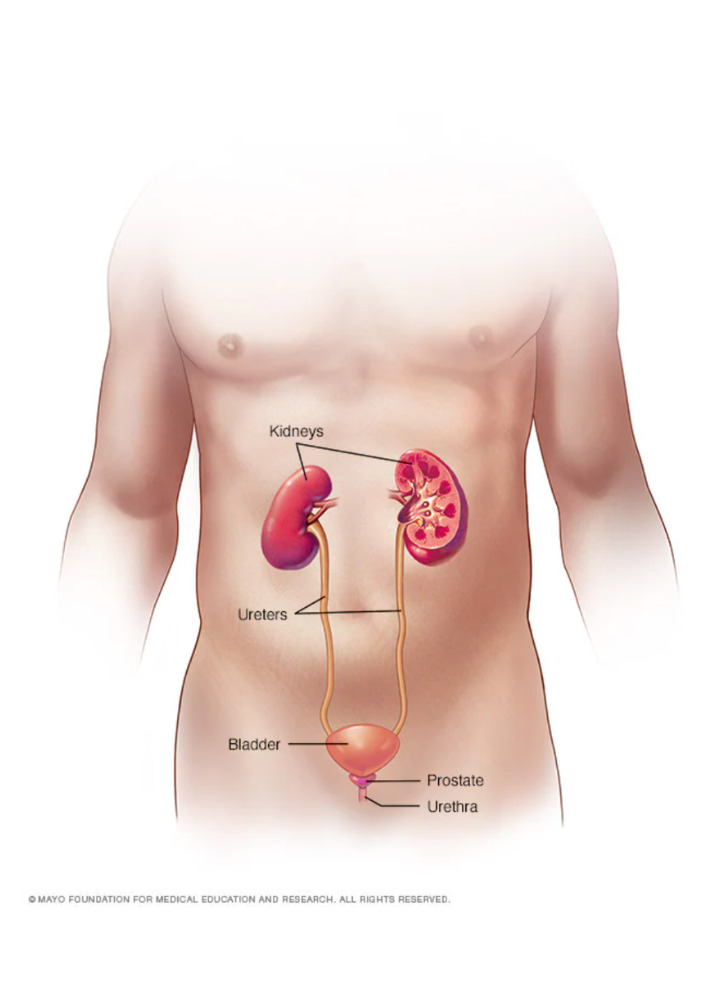
A urologist specialises in the diagnosis and treatment of conditions involving:
- The kidneys
- The bladder
- The ureters
- The urethra
- The prostate gland
- The male reproductive system
Common Urinary Symptoms That May Require a Urologist
1. Blood in Urine (Haematuria)
Blood in the urine is one of the most important urinary symptoms that should never be ignored.
Blood may appear:
- Pink
- Red
- Brown
- Visible only under a microscope
Possible causes include:
- Urinary tract infections
- Kidney stones
- Enlarged prostate
- Bladder infections
- Kidney disease
- Bladder cancer
- Kidney cancer
Even if blood appears only once and disappears, it should be evaluated by a healthcare professional.
2. Frequent Urination
Needing to urinate more often than usual may be caused by:
- Urinary tract infections
- Overactive bladder
- Diabetes
- Excessive fluid or caffeine intake
- Enlarged prostate
- Bladder irritation
If frequent urination disrupts your daily activities or sleep, a urologic evaluation may be necessary.
3. Pain or Burning During Urination
Painful urination, also known as dysuria, often indicates irritation or inflammation somewhere in the urinary tract.
Potential causes include:
- Urinary tract infections
- Sexually transmitted infections
- Kidney stones
- Bladder inflammation
- Prostate conditions
Persistent burning or pain should be assessed promptly.
4. Urgent Need to Urinate
Urinary urgency occurs when you suddenly feel a strong need to urinate and struggle to hold it.
This symptom may be associated with:
- Overactive bladder
- Bladder infections
- Neurological conditions
- Bladder irritation
When urgency occurs frequently or is accompanied by leakage, a urologist can help identify the underlying cause.
5. Weak Urine Stream or Difficulty Starting Urination
A weak stream, hesitancy, or prolonged urination may indicate:
- Enlarged prostate (BPH)
- Urethral narrowing
- Bladder outlet obstruction
- Nerve-related bladder dysfunction
These symptoms are especially common in older men but can occur in women as well.
6. Urinary Incontinence
Urinary incontinence refers to the involuntary leakage of urine.
Common types include:
- Stress incontinence
- Urge incontinence
- Overflow incontinence
- Functional incontinence
While common, incontinence is not a normal part of ageing and should be evaluated.
7. Recurrent Urinary Tract Infections
Repeated UTIs may indicate an underlying structural or functional problem.
Generally, recurrent UTIs are defined as:
- Two or more infections within six months, or
- Three or more infections within one year
A urologist can help determine why infections keep returning and recommend preventive strategies.
8. Feeling Like Your Bladder Doesn’t Empty Completely
Many people ignore this symptom.
Common causes include:
- Enlarged prostate
- Bladder dysfunction
- Urinary retention
- Obstruction within the urinary tract
Incomplete emptying may increase the risk of infections and bladder complications.
9. Waking Up Frequently at Night to Urinate (Nocturia)
Occasional nighttime urination is normal.
However, waking multiple times every night may be linked to:
- Enlarged prostate
- Overactive bladder
- Diabetes
- Sleep disorders
- Heart conditions
Persistent nocturia deserves medical attention, especially if it affects sleep quality.
10. Pelvic, Flank, or Lower Back Pain
Pain in the lower abdomen, sides, or back may be related to:
- Kidney stones
- Kidney infections
- Urinary obstruction
- Bladder disorders
Pain accompanied by urinary symptoms should be evaluated promptly.
Urinary Symptoms You Should Never Ignore
The following symptoms warrant medical evaluation:
| Symptom | Possible Causes | See a Urologist |
|---|---|---|
Blood in urine | Stones, infection, cancer | Yes |
Painful urination | Infection, inflammation | Yes |
Weak urine stream | Enlarged prostate, obstruction | Yes |
Recurrent UTIs | Structural abnormalities | Yes |
Persistent urgency | Overactive bladder, infection | Yes |
Urinary retention | Obstruction, nerve dysfunction | Yes |
If you are experiencing any of the above urinary symptoms, consider speaking with a healthcare professional for a proper evaluation. Ignoring symptoms can delay diagnosis and treatment of potentially serious conditions.
When Urinary Symptoms Become a Medical Emergency
Some urinary symptoms require immediate medical attention.
Seek urgent care if you experience:
- Complete inability to urinate
- Heavy bleeding in urine
- Blood clots in urine
- High fever with urinary symptoms
- Severe flank pain
- Persistent vomiting
- Signs of sepsis, such as confusion, rapid heartbeat, or difficulty breathing
These symptoms may indicate a serious infection, urinary blockage, or other emergency condition.
Urinary Symptoms in Men vs. Women
Symptoms More Common in Men
Men may experience urinary symptoms related to:
- Enlarged prostate
- Prostate cancer
- Prostatitis
- Erectile dysfunction
- Blood in semen
Men over 50 are at increased risk of prostate-related urinary issues.
Symptoms More Common in Women
Women are more likely to experience:
- Recurrent UTIs
- Stress urinary incontinence
- Overactive bladder
- Pelvic organ prolapse
- Postmenopausal urinary changes
Women should not dismiss recurring urinary symptoms as a normal part of ageing.
Urinary Symptoms by Age
In Your 20s and 30s
Common causes include:
- UTIs
- Sexually transmitted infections
- Kidney stones
- Lifestyle-related bladder irritation
In Your 40s and 50s
People in this age group may begin experiencing:
- Overactive bladder
- Early prostate enlargement
- Chronic urinary symptoms
Over Age 60
Risk increases for:
- Enlarged prostate
- Urinary retention
- Incontinence
- Bladder cancer
- Kidney disease
Any new urinary symptom in older adults should be discussed with a healthcare provider.
Tips for Maintaining Urinary Health
You can support urinary tract health by:
- Drinking adequate water
- Limiting excessive caffeine and alcohol
- Maintaining a healthy weight
- Avoiding smoking
- Managing diabetes and blood pressure
- Practising pelvic floor exercises when appropriate
- Seeking prompt treatment for infections
Healthy habits can help reduce the risk of many urinary conditions.
Take Charge Of Your Urinary Health
Urinary symptoms are your body’s way of signalling that something may need attention. While some changes are harmless and temporary, others can indicate infections, kidney stones, bladder disorders, prostate conditions, or even cancer.
If you notice blood in your urine, persistent urinary changes, recurrent infections, difficulty urinating, or symptoms that interfere with your daily life, don’t ignore them. A urologist can identify the underlying cause and recommend the most appropriate treatment.
Schedule an appointment at your convenience with Island Hospital’s Urology Department. Our team of experienced urologists specialises in providing comprehensive diagnoses and will recommend advanced, personalised treatments alongside therapeutic care tips to ensure your long-term well-being is fully supported.
For inquiries, appointment scheduling, or concerns about your urinary symptoms, feel free to contact us today!
Early evaluation often leads to better outcomes, greater peace of mind, and improved quality of life.
FAQs
1. How do I know if my urinary symptoms are serious enough to see a urologist?
If your symptoms persist for more than a few days, recur frequently, or interfere with your daily activities, it’s a good idea to consult a urologist.
Symptoms such as blood in the urine, painful urination, difficulty emptying the bladder, recurrent urinary tract infections, or a weak urine stream should never be ignored, as they may indicate an underlying condition requiring treatment.
2. Can urinary symptoms go away on their own, or do I need treatment?
Some urinary symptoms may be temporary and resolve on their own, especially if they are caused by dehydration, mild irritation, increased caffeine intake, or taking certain medications.
However, symptoms that persist, worsen, or keep returning often require medical evaluation.
Early treatment can help prevent complications and improve long-term urinary health.
3. What Happens During a Visit to a Urologist?
Many people delay care because they are unsure what to expect. During your appointment, a urologist may:
Review Your Medical History
Questions may include:
- When symptoms started
- How often symptoms occur
- Current medications
- Family history
Perform a Physical Examination
The examination varies depending on symptoms and may include an abdominal or pelvic assessment.
Recommend Diagnostic Tests
Common tests include:
- Urinalysis
- Urine culture
- Blood tests
- Ultrasound
- CT scan
- Cystoscopy
- PSA testing
- Urodynamic studies
These tests help identify the root cause of symptoms.
4. Is blood in the urine always a sign of a serious condition?
Not always. Blood in the urine can be caused by urinary tract infections, kidney stones, or an enlarged prostate.
However, it may also be an early sign of more serious conditions such as bladder or kidney cancer. Even if it occurs only once and disappears, it is important to seek medical evaluation to determine the cause.
5. When should I seek emergency care for urinary symptoms?
Seek immediate medical attention if you are unable to urinate, experience severe pain in the back or side, develop a fever with urinary symptoms, notice heavy bleeding or blood clots in your urine, or experience symptoms such as vomiting, confusion, or difficulty breathing.
These may indicate a serious infection or urinary blockage that requires urgent treatment.
Related Doctors
Latest Blog Posts

October 24, 2026

October 22, 2026
October 20, 2026