


27 Mar Struggling with Bedtime? 7 Effective Tips to Help Your Child Sleep Better
Struggling with Bedtime? 7 Effective Tips to Help Your Child Sleep Better
By Island Hospital | 27 March 2026 4:42:48 PM
If you’ve ever struggled to concentrate at work after a restless night, you’ll understand why consistent, quality sleep is just as important for children. Between school, sports, and homework, a child’s brain requires consistent rest to recover and grow.
Why is sleep important for children?
Research shows that inadequate rest directly impacts a child’s attention span, behavior, learning ability, and overall physical health. Most children require 9 to 11 hours of sleep each night to function at their best.
While every child’s sleep pattern is unique, establishing a solid routine is key. Here are 7 best tips to help your child sleep better and maintain a healthy, consistent rest cycle.
1. Set An Individualised Bedtime
Every child is different, so it’s important to establish a bedtime that suits your child’s age, routine, and school schedule. Choose a bedtime that allows your child to get enough rest and still wake up refreshed for school.
Going to bed at the same time each night helps train the body’s internal clock, making it easier for your child to feel sleepy naturally at bedtime.
Here are the general benchmark:
| Age Group | Recommended Sleep |
|---|---|
| Preschool (3–5 years) | 10–13 hours |
| School Age (6–12 years) | 9–12 hours |
| Teens (13–18 years) | 8–10 hours |
For instance, if your 8-year-old needs to be up at 7:00 AM for school and requires 10 hours of sleep, their “lights out” time should be no later than 9:00 PM.
Tip:
Watch your child for signs of their natural sleep onset. If you miss this “window,” they may get a “second wind”—a burst of cortisol and adrenaline that makes it much harder for them to fall asleep.
- Signs they are ready: Eye rubbing, drooping eyelids, becoming quiet or “zen,” or even slight irritability.
- The Sweet Spot: Aim to have them in bed 20 minutes before they usually start showing signs of exhaustion.
2. Set A Consistent Wake-Up Time, Even on Weekends & Holidays
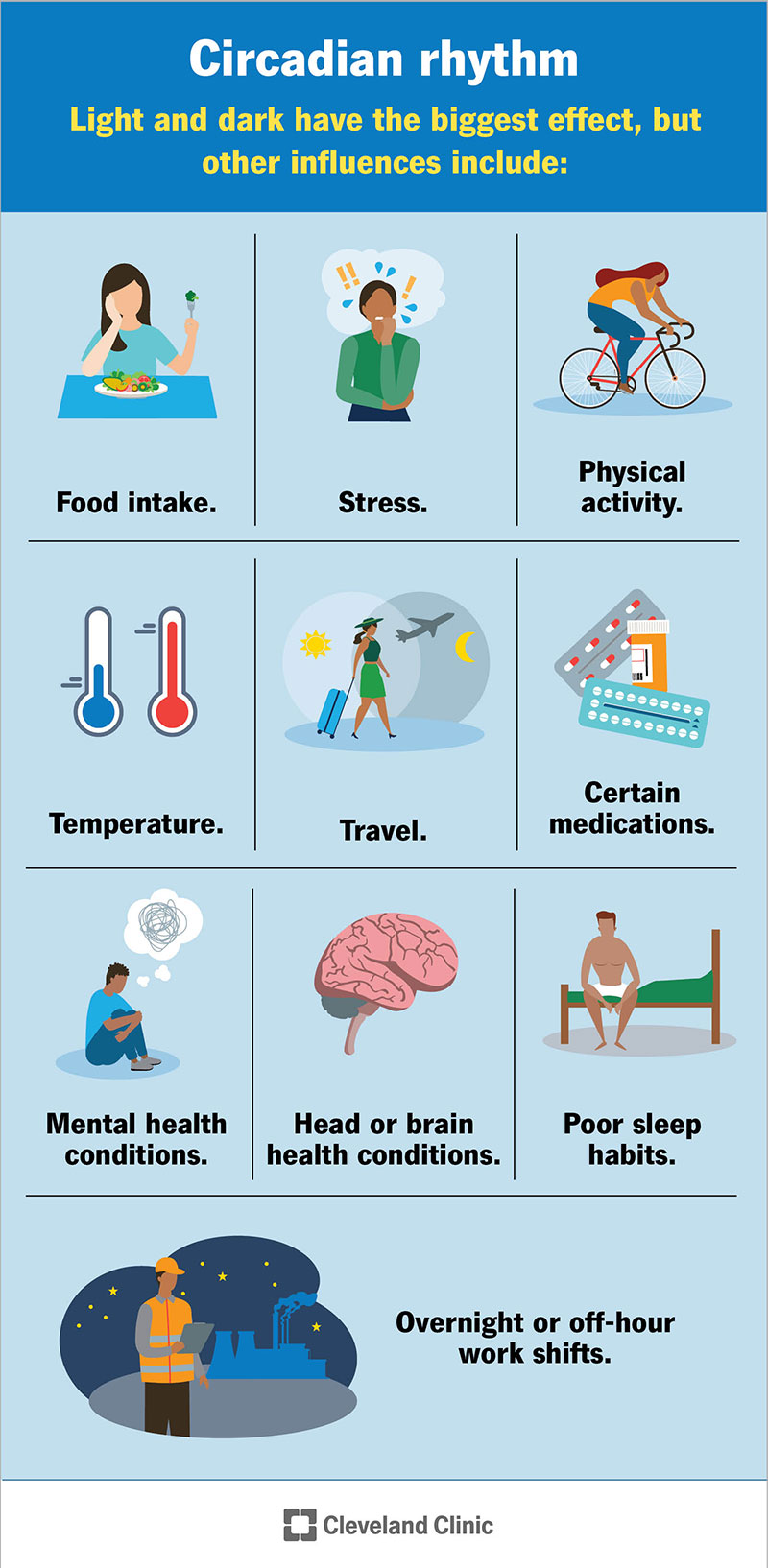
Bedtimes are crucial, but a consistent wake-up time is also one of the secrets to a healthy child sleep schedule. Drastic shifts in morning routines can disrupt your child’s circadian rhythm, making it harder for them to fall asleep at night.
- The Weekend Rule
Even on holidays or weekends, keep wake-up times within 60 minutes of their usual weekday routine. - Avoid Over-sleeping
Letting a child “sleep in” too long can diminish their “sleep pressure,” leading to bedtime resistance and disrupted routines.
3. Create a Calming Bedtime Routine & Sleep Environment
A predictable, calming routine before bed helps signal to your child’s brain that it’s time to wind down.
The key to doing this is eliminating distractions such as bright lights, blue lights from screens and loud noises or activities that can make the child more excitable or stressed out.
Try out this bedtime routine checklist for your child:
Just as children need sufficient sleep to function well, adults do too. That familiar tiredness after a poor night’s sleep shows why healthy sleep habits matter at every age. Check out our guide on what you need to know about Malaysians’ Sleep Study.
4. Turn Off Screens Before Bedtime
Blue light from TVs, phones, and computers can interfere with melatonin, the hormone that helps your child fall asleep. Turning off screens before bed lets their body relax naturally and drift off more easily.
Reducing screen time should be a collaborative family habit and not just a rule for children. Parents can help create a screen-free bedroom environment by reading bedtime stories or engaging in calming, screen-free activities together such as playing puzzles.
Keep screens off and phones silent while your child prepares for bed, and if possible, leave devices outside the bedroom to support a peaceful, restful night.
5. Reduce Stress Before Bedtime
High stress can make it difficult for children to relax and fall asleep. Identify activities or factors that may cause stress and avoid them before bedtime.
For example, finishing homework right before bed can increase stress, while TV shows with scary or intense content may also be upsetting. Loud conversations or background noise can further distract children and make it harder to wind down.
You can also help your child associate their bed with sleep by keeping activities like homework, gaming, or phone use off the bed. Reserve it for bedtime stories or sleeping to reinforce a calm, sleep-friendly environment.
6. Reduce the Focus on Sleep
Instead of constantly telling your child, “It’s time to sleep,” focus on helping them associate bedtime with relaxation rather than urgency. Treating bedtime as a calm, enjoyable routine rather than a rush or abrupt end to playtime can reduce stress and make it easier for your child to fall asleep.
Encourage activities that help your child relax before bed, such as reading bedtime stories, singing gentle songs, or quiet play.
These calming routines signal to the brain that it’s time to wind down, supporting a smoother transition to healthy sleep.
7. Be on the Lookout for Sleep Disorders
If your child struggles to fall asleep, wakes frequently, or snores during the night, they may be experiencing a sleep disorder.
Sleep disorders can affect the quality of rest, leaving your child feeling tired and less alert even after adequate sleep.
It’s important to consult a paediatrician if your child consistently experiences sleep disruption, wakes up fatigued despite enough sleep, or snores regularly. Early detection and professional guidance can help manage sleep disorders and support healthier sleep patterns.
Supporting a child’s emotional well-being is a journey for the whole family and play therapy allows you to achieve that. Discover more insights in our blog on supporting children’s emotional health through play therapy.
Supporting Your Child’s Healthy Sleep
Quality sleep is essential for your child’s growth, learning, and emotional well-being just as it is for adults. Small changes to routines, screen time, and bedtime habits can make a big difference in improving your family’s nights and days.
If you’re concerned about your child’s sleep patterns or suspect a sleep disorder, Island Hospital’s paediatric specialists can help.
Book a consultation with us today to get personalised guidance and support for your child’s sleep health.
Better sleep = happier, healthier kids.
FAQ
1. What is the 5 3 3 rule for baby sleep training?
The 5-3-3 rule is a timing framework used to manage nighttime feedings while sleep training. It helps distinguish between true hunger and waking out of habit.
- 5 Hours: Offer the first feeding only after the baby has slept for at least 5 hours from their initial bedtime.
- 3 Hours: Offer the next feeding at least 3 hours after the first.
- 3 Hours: Offer a final feeding (if needed) 3 hours after the previous one.
How it works: If your baby wakes before these time markers, use your chosen sleep training method to help them settle. If they wake after the marker, provide a feeding. This encourages longer sleep stretches while ensuring your baby’s nutritional needs are met.
2. What is the 80/20 sleep rule for children?
The 80/20 rule is a flexibility principle that balances a strict sleep schedule with real-world life. It helps prevent “sleep perfectionism” while maintaining healthy habits.
- 80% Consistency: For about 80% of the week (roughly 5–6 days), you stick strictly to your child’s established bedtimes, nap schedules, and routines.
- 20% Flexibility: For the remaining 20% (1–2 days), you allow for “rule-breaking,” such as a later bedtime for a family event or a nap on the go while traveling.
The Goal: Maintenance of a strong sleep foundation majority of the time allows your child’s internal clock to become resilient enough to handle occasional disruptions without falling into a permanent “overtired” cycle.
3. What are signs of poor core sleep in children?
In children, “core sleep” refers to the deep, restorative stages of the sleep cycle required for physical growth and brain development. When a child isn’t getting high-quality core sleep, the symptoms often manifest as behavioral issues or physical markers during the day.
Signs of Poor Core Sleep Quality
- Difficulty Waking Up: If your child is consistently groggy, irritable, or difficult to rouse in the morning, they likely haven’t spent enough time in deep sleep stages.
- Excessive Daytime Sleepiness: Falling asleep during short car rides (after age 5) or struggling to stay awake in school are major red flags.
- Hyperactivity and Impulsivity: Unlike adults who get sluggish, overtired children often become “wired,” showing symptoms that mimic ADHD, such as inability to focus or emotional outbursts.
- Frequent Night Wakings: While some waking is normal, repeated “micro-wakings” prevent the brain from staying in the deep core sleep stage.
- Physical Restlessness: Heavy snoring, mouth breathing, or extremely restless “tashing” around the bed can indicate sleep-disordered breathing (like apnea) that interrupts core sleep.
4. What are the common sleep training mistakes in children?
Many parents find sleep training difficult not because of the method they chose, but because of small, easily fixable habits that disrupt the process.
Here are the most common sleep training mistakes:
- Inconsistency: Changing methods too quickly or “giving in” occasionally.
- Bad Timing: Training during growth spurts, teething, or illness.
- Environmental Triggers: Allowing too much light or noise in the room.
- Assisted Sleep: Feeding, rocking, or patting the child until they are fully asleep.
5. Which foods help (or hurt) my child’s sleep?
The food your child eats throughout the day plays a surprising role in their sleep quality. Certain nutrients help produce sleep-regulating hormones, while others act as stimulants that keep the brain “wired.”
| Sleep Superstars | Sleep Stealers |
|---|---|
| Complex Carbohydrates (Oatmeal, whole-grain crackers, brown rice): These help the brain absorb sleep-inducing nutrients more effectively. | Caffeine (Chocolate, soda, certain teas): Stimulants can stay in a child's system for 6+ hours, keeping them "wired." |
| Bananas: Loaded with Magnesium and Vitamin B6 to help muscles relax and boost natural melatonin. | Refined Sugars (Candy, sugary cereal, juice): Causes a blood sugar spike and "crash" that can trigger night wakings. |
| Dairy (Warm milk, yogurt, cheese): A classic source of Calcium and Tryptophan to help settle the nervous system. | Heavy or Spicy Foods: Can cause acid reflux or indigestion, making it uncomfortable for a child to lie flat and rest. |
| Poultry (Turkey, chicken): Rich in Tryptophan, an amino acid that the body uses to produce serotonin and melatonin. | Excessive Liquids: Too much water or milk right before bed leads to frequent bathroom trips or diaper changes. |
| Tart Cherries: One of the only natural food sources of Melatonin, the hormone that regulates the sleep-wake cycle. | High-Protein Only Snacks: Eating protein without a carb can actually block sleep-inducing chemicals from entering the brain. |
Timing is everything:
Try to offer “Sleep Superstars” about 30–60 minutes before bed. Avoid “Sleep Stealers” for at least 3 hours before lights out to ensure their digestive system is at rest.
Related Doctors
Latest Blog Posts

October 24, 2026

October 22, 2026

October 20, 2026