
11 May Liver Cancer: When Is Surgery the Best Treatment Option?
Liver Cancer: When Is Surgery the Best Treatment Option?
By Island Hospital | Apr 30, 2020 11:49:40 AM
Liver cancer is a serious condition that often raises one critical question:
“Is surgery the best treatment option?”
While advances in medical therapies have expanded treatment choices, surgery remains one of the most effective ways to treat liver cancer especially when the disease is detected early.
However, not every patient is a suitable candidate.
Understanding when liver surgery is recommended depends on several factors, including the size and number of tumours, overall liver function, and the patient’s general health.
In this article, we explore when surgery becomes the preferred treatment for liver cancer, who qualifies, and what outcomes patients can expect.
Why is Our Liver Important
Place your right hand just beneath your ribs on the right side of your body—that’s roughly where your liver sits.
Despite being tucked away, this remarkable organ plays a central role in keeping you alive and well.
Weighing between 1.3 to 1.8 kg, the liver is the largest solid organ in the body and processes about 1.5 litres of blood every minute.
Often described as the body’s “chemical factory,” the liver performs hundreds of essential functions.
It breaks down nutrients from food, produces clotting factors to prevent excessive bleeding, and generates bile to help digest fats. It also filters harmful substances such as alcohol, drugs, and toxins from the bloodstream.
What makes the liver truly unique is its extraordinary ability to regenerate. Even if up to 75% of it is removed, the remaining healthy tissue can grow back and restore function.
This resilience is what makes liver surgery a possible and often effective treatment option in certain liver conditions, including liver cancer.
What is Liver Cancer?
Liver cancer, also known as hepatic cancer and primary hepatic cancer, is cancer that starts in the liver. It is the growth and spread of unhealthy cells in the liver.
Cancers that start in the liver are called primary liver cancer whereas those that have spread to the liver from another organ are called metastatic liver cancers.
It is a life-threatening condition that demands urgent medical care. More often than not, liver cancer occurs gradually and over many years.
Risk Factors for Liver Cancer
While the exact cause of liver cancer may not be known, several factors may increase the risk of developing the disease.
Because no widely recommended routine screening tests have been developed for liver cancer, people with a family history of the disease or other risk factors should consult their doctors about steps they can take to monitor or reduce their risk.
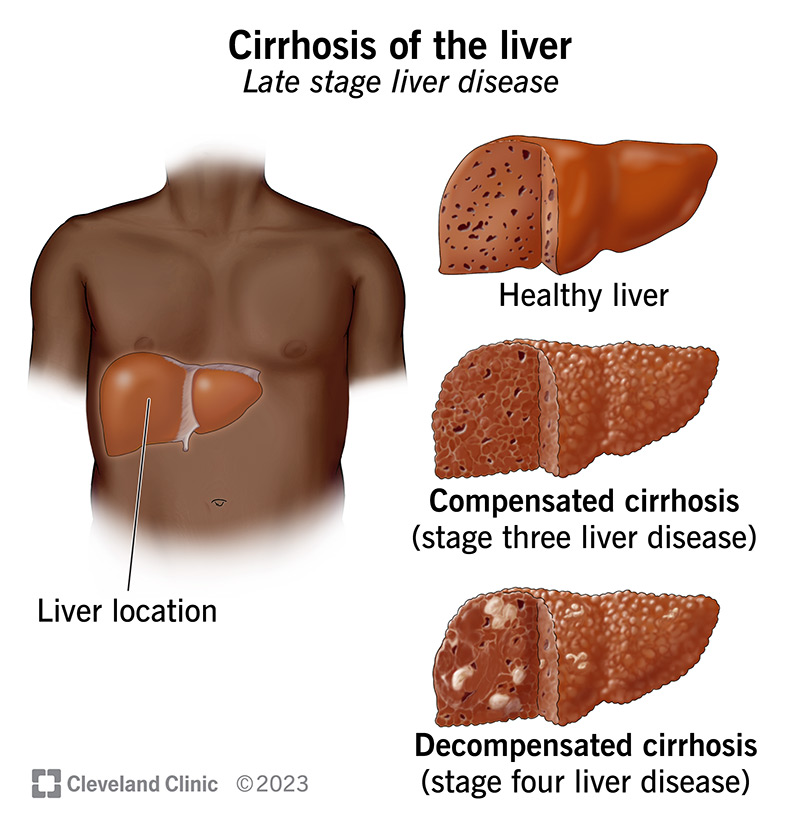
Most people who get liver cancer get it in the setting of chronic liver disease (long-term liver damage called cirrhosis), which scars the liver and increases the risk for liver cancer.
The causes of liver cancer may be linked to environmental, dietary, or lifestyle factors. Liver cancer clearly has many different causes, and there are undoubtedly many different genes involved in its development.
The following are risk factors for liver cancer:
- Cirrhosis
A disease in which liver cells become damaged and are replaced by scar tissue. People with cirrhosis have an increased risk of liver cancer. Most (but not all) people who develop liver cancer already have some evidence of cirrhosis.
- Virus in Hepatitis B & C
Individuals with Hepatitis B and C are more prone to liver cancer as the virus attacks and weakens the liver’s ability to perform important tasks like filtering toxins and maintaining the blood’s sugar level. - Obesity
Being overweight or obese also increases the risk of developing liver cancer as it results in fatty liver disease and cirrhosis. - Heavy alcohol consumption
Long-term alcoholics will have higher chances of cirrhosis, which in turn, can lead to liver cancer. - Eating foods tainted with Aflatoxin
These are cancer-causing substances made by a fungus that contaminates wheat, corn, soybeans, rice and some types of nuts.Contamination usually occurs due to storage of the food stuff in a moist, warm environment, more common in warmer and tropical countries.Long-term exposure to aflatoxins is a major liver cancer risk factor, especially in people with hepatitis B or C infections. - Diabetes
Having diabetes may also increase the risk of developing liver cancer.
You can’t change your age or genetics, but you can control lifestyle risks. Reducing alcohol intake is one of the most effective ways to lower your risk of liver cancer.
Proactive protection is key to a cancer-free future. Learn how the HPV vaccine serves as your strongest defense against high-risk viruses, offering a simple way to reduce your risk before symptoms ever appear.
Early Warning Signs of Liver Cancer
The symptoms of liver cancer may differ for each person, and any one of these symptoms may be caused by other conditions. Some common early warning signs of liver cancer include:
- Pain in the upper abdomen on the right side or near the right shoulder blade
- Enlarged liver (hepatomegaly) felt as a mass under the ribs on the right side
- Abdominal swelling (ascites) or bloating in the abdomen that develops as a mass
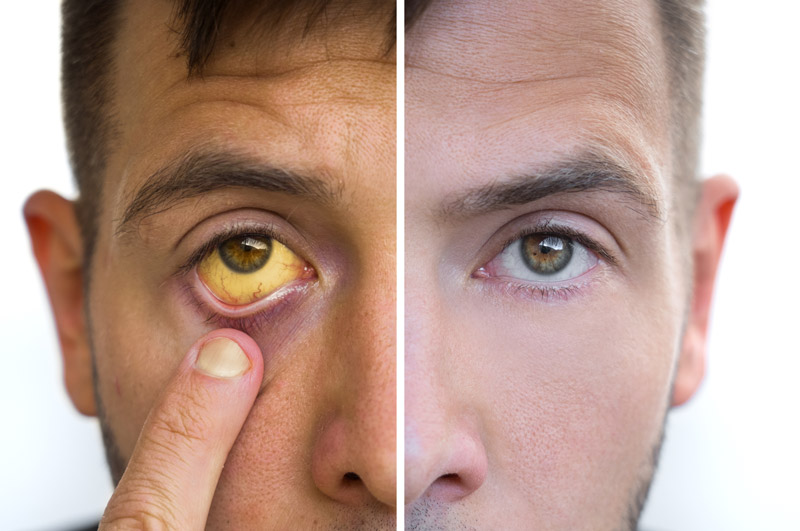
- Jaundice, which appears as yellowing of the skin and eyes and occurs when the liver is not functioning properly
Other signs and symptoms of liver cancer include:
- Weight loss not associated with changes in diet
- Decrease in appetite or a feeling of fullness after a small meal
- Nausea and vomiting not associated with other known conditions
- General weakness and/or fatigue that is persistent, ongoing weakness or fatigue
- Fever that is unrelated to other conditions
- Enlarged spleen felt as a mass under the ribs on the left side
Many symptoms of liver tumours may be similar to signs of other types of benign liver infections or diseases.
In the case of liver cancer, the symptoms will continue to evolve and worsen as the tumour grows and the disease advances.
It is important to see a doctor for an accurate diagnosis if you have any of the above signs of liver cancer.
How is Liver Cancer Treated?
Which option is appropriate for you depends on how much liver damage has been caused by cancer or other conditions and whether the cancer has spread elsewhere in the body.
Liver cancer treatment depends on:
- The liver’s condition
- The size, location and number of tumours
- If the cancer has spread outside the liver
- The person’s age and overall health
Treatment options if the cancer has not spread and the rest of the liver is healthy are:
- Transplant
If the cancer has not spread, for some patients, a liver transplant (replacement of the liver) may be an option. - Surgery
If the cancer has been found early and the rest of the liver is healthy, doctors may perform surgery to remove the tumour from the liver (liver resection). - Radiofrequency Ablation
This treatment option uses a special probe to destroy cancer cells with heat.
What is A Liver Resection?
Liver resection is the surgical removal of a portion of the liver. The goal of this operation is to remove all liver tumours that are located in the resected portion of the liver.
Up to one-half of your liver can be removed if the rest of it is healthy.
This surgical method may also be employed for benign tumours of the liver such as hepatic cyst, hepatic adenoma, and rarely hemangioma.
Liver resection can either be performed by an open technique or via laparoscopy.
The prognosis (chance of recovery) and treatment options widely depends on:
- The stage of the cancer (the size of the tumor, whether it affects part or all of the liver, or has spread to other places in the body)
- How well the liver is working
- The patient’s general health, including whether there is cirrhosis of the liver
When is Liver Resection Recommended?
The medical treatment chosen depends upon how much the cancer has spread and the overall health of the liver. For example, the extent of cirrhosis (scarring) of the liver can determine the treatment options for the cancer.
Similarly, the spread and extent of spread of cancer beyond the liver tissue plays an important part in the types of treatment options that may be most effective.
Liver resection is recommended for individuals having cancers originating in the liver (hepatocellular cancer, bile duct cancer, and gallbladder cancer), and occasionally benign liver tumors that are causing pain or other problems.
For some, the operation is straightforward and can be done immediately. Other individuals may need to undergo chemotherapy or other treatments first, to shrink the tumours for easier removal.
The type of liver surgery depends on the size and position of the tumour(s). You may have to undergo one of the following surgeries:
- Hemi-hepatectomy: to remove either left or right half of the liver
- Segmentectomy: to remove part of the liver according to its blood supply branches as the liver is divided into 8 segments from I – IV.
Doctors may use CT or MRI scans to plan a surgery. These imaging studies provide detailed views of the tumour, liver, surrounding blood vessels, and other structures that can help doctors pinpoint the location of the tumour or tumours before the procedure.
Liver Resection Procedure
Liver resection can either be performed by an open surgery or laparoscopic surgery.
- Open surgery
May be recommended for large tumours or those that are located deep within the liver.In an open procedure, the surgeon makes an incision that is several inches long across the right side of the abdomen, just below the ribcage.Your surgeon will carefully dissect the section of liver that is to be removed from the many veins, arteries and bile ducts that support it. - Laparoscopic surgery
In some situations, it may be possible to have keyhole (laparoscopic) surgery to remove the affected part of the liver.Several small cuts (incisions) are made instead of one large cut. Generally about three small cuts and one larger cut are needed.At Island Hospital, we also use minimally invasive laparoscopic surgery for some patients with liver tumors. It is now becoming more common for liver tumours to be removed with several smaller cuts.Patients who undergo laparoscopic surgery usually have much smaller wounds, resulting in lesser pain, faster recovery time and a shorter hospital stay.However, laparoscopic surgery is not suitable for everyone if the size and/or number of tumours would make the operation too complex to be carried out.
Why Expertise Matters
Liver surgery is highly complex due to the organ’s dense network of blood vessels.
During most liver resections, the gallbladder is also removed because of its central location and attachment to the liver tissue being resected.
Our surgical team at Island Hospital is highly skilled in these intricate procedures.
We specialise in removing cancerous tissue while meticulously protecting critical arteries and veins such as the portal and hepatic veins to help you preserve as much healthy liver tissue as possible.
Understanding your gastrointestinal health is a great first step, but proactive care shouldn’t stop there. Explore Island Hospital’s Gastroenterology FAQs to improve your gut health.
Why Timing Matters in Liver Cancer Treatment
Surgery remains one of the most effective ways to treat liver cancer, but its success is heavily reliant on timing.
Understanding your surgical options allows you to be better equipped in discussing what comes next with your gastrointestinal surgeon at Island Hospital.
Remember, your liver is a resilient organ, and with the right surgical precision, recovery and long-term health are within reach.
If you have concerns or simply want to stay ahead of your health, we are ready to help.
FAQs
What makes liver cancer hard to detect?
It is often hard to find liver cancer early because signs and symptoms often do not appear until it is in its later stages.
Small liver tumors are hard to detect on a physical exam because most of the liver is covered by the right rib cage. By the time a tumor can be felt, it might already be quite large and surgery is needed.
A malignant tumour (cancer) is the most common indication for a liver resection. Based on the origin, tumours in the liver are categorised into:
- Primary tumours: they develop within the liver; and
- Secondary (Metastatic) tumours: they develop in some other organ and migrate (spread) to the liver usually through the blood stream.
Colorectal (cancer of the colon or rectum) cancer is the most common cause of secondary liver cancer.
Single or multiple metastases involving the different lobes of the liver can be resected with a high success rate, depending on the distribution, number and stage of the primary tumour.
This is why it is important to go for regular check-ups to ensure any abnormalities are caught early.
What is the best way to reduce your liver cancer risk?
While not all cases of liver cancer can be prevented, there are important steps you can take to lower your risk and protect your liver health:
- Go for regular check-ups, especially with a doctor who specialises in liver disease, to detect any issues early.
- Get vaccinated against hepatitis A and B, and speak to your doctor about ways to prevent viral hepatitis.
- Reduce your risk of hepatitis B and C by practising safe hygiene, avoiding shared needles, and ensuring safe medical procedures.
- Manage existing liver conditions, such as cirrhosis or chronic liver disease, by following your doctor’s advice and undergoing regular screening.
- Maintain a healthy lifestyle, if you are overweight, diabetic, or consume alcohol heavily, seek medical guidance to reduce your risk.
In its earliest, most treatable stages, cancer often lacks clear symptoms.
When signs do appear, they can be easily mistaken for other health issues, making expert evaluation essential.
If something feels ‘off,’ prioritise your peace of mind by booking an appointment today. Early detection is your most powerful tool.
Can I live with only part of my healthy liver after a surgery?
Yes, you will and can still live with only a part of your liver working. When a portion of the liver is removed, the remaining liver can grow back (regenerate) if your liver is healthy.
This growth occurs over 6-8 weeks. Although its shape will be different, you will not notice any difference.
However, this regeneration does not occur for patients with cirrhosis of the liver or an otherwise unhealthy liver.
Good nutrition with a high-protein diet is important for liver regeneration. It is important to be aware that it may take weeks and even some months before you feel completely fit again.
Rest as much as possible, gradually increasing your level of activity as soon as you feel comfortable.
Can gallbladder stones cause liver cancer?
While gallstones don’t directly “turn into” liver cancer, they are linked to an increased risk. Chronic inflammation caused by stones can irritate the liver and bile ducts over time, potentially leading to cellular damage.
The connection is strongest with intrahepatic cholangiocarcinoma (cancer of the bile ducts inside the liver).
While gallstones are the primary risk factor for gallbladder cancer, their link to the most common form of liver cancer (HCC) is more indirect and often related to long-term inflammation or changes in bile flow.
What happens if surgery is not an option for me?
If a tumor is too large or located near critical structures that make surgery risky, other effective treatments are available.
These may include targeted therapy, immunotherapy, or radiofrequency ablation (RFA), which uses heat to destroy cancer cells.
In some cases, these treatments can even shrink a tumor enough to make surgery a viable option later on.