
15 Oct How to Clear Red Eyes Fast: 20 Common Causes and Ultimate Remedies for Instant Relief
How to Clear Red Eyes Fast: 20 Common Causes and Ultimate Remedies for Instant Relief
By Island Hospital | 15 October 2026. 11:00:00 AM
For years, 28-year-old Lina assumed her bloodshot eyes were just the price of late nights and smoky clubs. But when she finally saw an ophthalmologist, she received a shocking diagnosis:
Her red eyes were actually caused by sarcoidosis, a serious inflammatory disease.
It’s incredibly easy to dismiss red eyes as a harmless lifestyle byproduct. However, they can often be a warning sign of underlying health conditions you might completely ignore.
Your eyes look bloodshot when the tiny blood vessels on the eye’s surface expand. While a night of heavy drinking or a minor scratch can trigger it, there are often deeper culprits at play.
If you’re ready to look past the surface and find real relief, here is everything you need to know about red eyes.
What Are Red Eyes?
“Red eyes” (or often called bloodshot eyes), are tiny blood vessels on the surface of the eye that have become swollen, dilated, and congested with blood.
Under normal circumstances, many of these blood vessels are practically invisible.
However, when the eye encounters irritation, inflammation, or a lack of oxygen, these vessels swell and engorge with blood, turning the normally white backdrop of your eye a shades of pink or bright red.
Red Eyes Symptoms
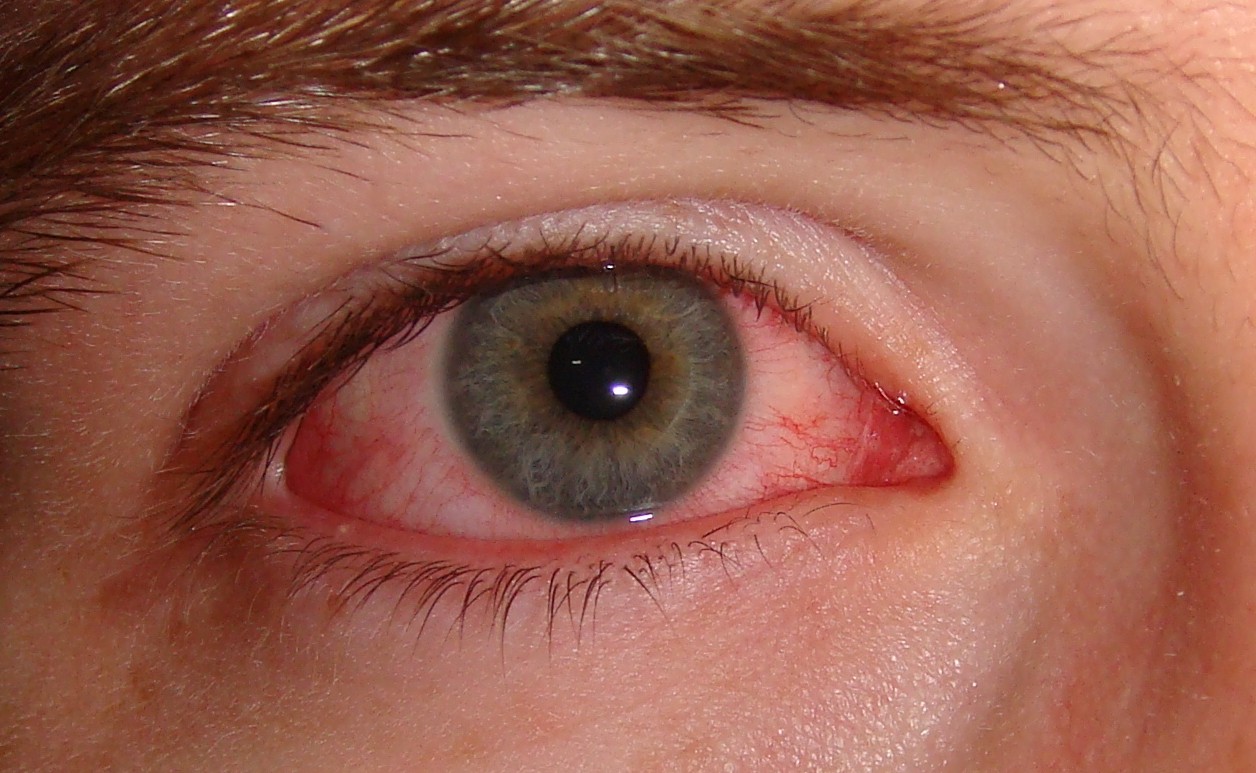
The appearance of red eyes can vary widely. It can look like there are several squiggly pink or red lines on the sclera or the entire sclera may appear diffusely pink or red.
Red eye can occur in one or both eyes, and it can be associated with several symptoms, including:
In some cases, bloodshot eyes may have no symptoms other than redness.
A red eye can look the same whether you are simply tired or suffering from a sight-threatening condition like glaucoma, which is why you should always pay attention to accompanying symptoms.
Red Eyes Causes: From Everyday Irritants to Serious Health Signals
If you have ever looked in the mirror and noticed your eyes looking bloodshot, you are in good company. Red eyes are an incredibly common occurrence.
However, because the visual change can look identical whether the cause is minor or severe, it is vital to understand what that redness actually signifies.
More than a condition in itself, a red eye is typically a surface symptom of an underlying issue, ranging from entirely harmless everyday habits to serious, sight-threatening medical emergencies.
1. Lifestyle and Environmental Factors
Most cases of bloodshot eyes trace back to daily habits or the air around us. In these scenarios, the swelling is a temporary reaction to physical fatigue or mild irritation.
Lifestyle Habits and Eye Fatigue
Our daily choices and routines heavily impact our ocular health. Some of these common culprits include:
- Digital Eye Strain
Spending long, uninterrupted hours staring at computers, smartphones, and tablets exposes the eyes to prolonged blue light and drastically reduces our blink rate, causing severe dryness and redness. - Insufficient Sleep and Eye Fatigue
Simply being overtired deprives the eyes of prolonged rest and hydration, leading to strained, bloodshot eyes in the morning.For a deeper look into identifying sleep-deprived patterns and disorders, read Island Hospital’s comprehensive guide on What You Need to Know About a Sleep Study in Malaysia. - Over-wearing Contact Lenses
Leaving contacts in for too long, or sleeping in them, restricts the amount of oxygen reaching the cornea and can trap bacteria against the eye. - Alcohol Consumption
Alcohol causes the tiny blood vessels on the eye to dilate and expand, giving them a bloodshot look. - Smoking
Smoking tobacco or marijuana, or even simply standing near the smoke can directly irritate the eyes and cause the surface vessels to swell.
Environmental Irritants
The eye’s surface is incredibly sensitive to the surrounding atmosphere. When this happens, redness can easily be triggered by:
- Airborne Allergens
Pollen, pet dander, and mold trigger localised allergic reactions, frequently leading to itchy, watery, and red eyes. - Air Pollution and Smoke
Smog, campfire smoke, or second-hand cigarette smoke act as immediate physical irritants. - Dry Air
Arid climates, airplane cabins, and heavily air-conditioned or heated office buildings strip the eye of its natural moisture. - Dust and Airborne Fumes
Industrial environments or exposure to everyday chemicals like gasoline and solvents can cause a defensive inflammatory response. - Chemical Exposure
Chlorine and other sanitising chemicals in swimming pools are notorious for stripping the eye’s tear film, causing temporary redness after a swim.
2. Common Infections and Inflammations
When the redness is accompanied by itching, burning, or a sticky discharge, it often points to a widespread surface issue. This can be:
- Pink Eye (Conjunctivitis)
Conjunctivitis or pink eye is one of the most frequent eye infections, characterised by inflammation of the conjunctiva.It can be highly contagious if caused by a virus or bacteria, but it can also be triggered by fungi, parasites, or severe allergies.
Not sure what to expect during your eye doctor visit? Discover everything you need to know before your appointment in our complete guide.
3. When Redness Signals Something Serious
While a bloodshot eye is often benign, it can sometimes be a warning sign of a much deeper ocular or systemic health issue.
When the redness is caused by trauma or deeper inflammation, it requires urgent medical attention.
Direct Eye Trauma and Damage
- Abrasions, Burns, or Injuries
A physical scratch to the cornea (the clear front window of the eye), chemical burns, or blunt force trauma will cause immediate, severe redness as the eye attempts to heal. - Corneal Ulcers
An open sore on the cornea, usually caused by a severe infection, which can permanently damage vision if left untreated. - Recent Eye Surgery
It is entirely normal to experience redness following procedures like LASIK, cataract surgery, or cosmetic eye surgeries as the tissues recover.
Deep Eye Diseases
- Glaucoma
Specifically, acute angle-closure glaucoma is a medical emergency where fluid pressure builds up rapidly inside the eye, causing severe redness accompanied by intense pain and blurred vision. - Uveitis
This is an inflammation of the uvea (the middle layer of the eye consisting of the iris, ciliary body, and choroid).It causes deep, aching pain and redness that does not improve with standard eye drops.
Underlying Systemic Conditions
Sometimes, the eyes reflect what is happening across the rest of the body. Redness can be linked to systemic inflammatory diseases, neurological issues, or widespread infections:
- Bell’s Palsy
This condition causes temporary paralysis or weakness on one side of the face. Because the person often cannot fully close their affected eyelid, the eye dries out severely and becomes chronically red and irritated. - Juvenile Idiopathic Arthritis
The most common type of arthritis in children can cause hidden, dangerous inflammation inside the eyes (often linked to uveitis) without any initial pain, showing up only as redness. - Sarcoidosis
An inflammatory disease that produces tiny clumps of cells (granulomas) across various organs. It is most commonly affected in the lungs and lymph nodes, but frequently manifests as inflammation and redness in the eyes. - Leukemia
In rare cases, cancers of the blood or bone marrow can cause abnormal blood flow, bleeding, or immune responses that present as severe redness or hemorrhages in the eye.
If your red eyes are paired with severe pain, changes in your vision, extreme light sensitivity, or thick discharge, it is time to skip the over-the-counter drops and see an ophthalmologist immediately.
Remedies and Treatments for Red Eyes
As red eye is a symptom rather than a standalone illness, treating it effectively depends entirely on uncovering the root cause.
A remedy that soothes tired eyes might do absolutely nothing for an infection, and using the wrong over-the-counter drops can sometimes make the problem worse.
Treatments generally fall into three distinct categories:
- Home care,
- Over-the-counter solutions, and
- Professional medical interventions
1. At-Home Remedies for Mild Irritation
For redness brought on by lifestyle factors like lack of sleep, environmental fumes, or digital eye strain, simple lifestyle modifications and home comfort measures are often all that is needed.
- The 20-20-20 Rule
To combat digital eye strain, take a break every 20 minutes to look at an object at least 20 feet away for 20 seconds. This forces you to blink naturally and relaxes the focusing muscles inside the eye. - Cool Compresses
Placing a clean washcloth soaked in cool water over closed eyelids constricts the surface blood vessels, quickly reducing swelling and soothing localised itchiness. - Switch Your Optics
If you wear contact lenses, switch to glasses at the first sign of redness.Leave your lenses out until the redness completely clears up to prevent a minor irritation from turning into a severe corneal ulcer. - Air Management
Using a humidifier in dry office spaces or bedrooms helps keep the eye’s tear film from evaporating too quickly.
2. Over-the-Counter (OTC) Solutions
When at-home rest isn’t quite enough, targeted drugstore options can provide relief, provided you choose the right formula.
- Lubricating Eye Drops (Artificial Tears)
These mimic natural tears to hydrate dry, wind-burned, or fatigued eyes.Look for preservative-free formulations if you plan to use them more than four times a day, as preservatives can eventually cause surface irritation. - Antihistamine Eye Drops
If seasonal allergies or pet dander are causing your red eyes, OTC drops containing antihistamines will directly block the allergic response, reducing both the redness and the intense itching.
Tips on Eye Drops
Over-the-counter drops marketed specifically to “get the red out” work by temporarily squeezing (constricting) the blood vessels on the eye.
While they provide a quick aesthetic fix, using them for more than a few consecutive days can cause a rebound effect. When the medication wears off, the blood vessels swell even larger than before, trapping you in a cycle of chronic redness.
3. Prescription and Medical Interventions
When redness stems from infections, trauma, or complex systemic diseases, over-the-counter drops are insufficient.
An ophthalmologist must evaluate your eye to prescribe targeted medical therapies:
Targeted Antimicrobial Therapy
- Antibiotic Drops or Ointments
These are essential for clearing up bacterial pink eye (conjunctivitis) or dangerous corneal ulcers. - Anti-viral Drops
Anti-viral drops are prescribed if the redness is triggered by a viral infection, such as the Herpes Simplex virus affecting the cornea.
Anti-inflammatory Medications
- Corticosteroid Eye Drops
For deep-tissue inflammation like uveitis, or severe inflammation following eye trauma and surgery, doctors use prescription steroid drops.These are highly potent medications that require strict monitoring by an eye care specialist, as long-term use can increase the risk of cataracts or glaucoma.
Specialised Treatments for Complex Conditions
- Pressure-Lowering Medications
If acute angle-closure glaucoma is detected, immediate treatment via pressure-lowering eye drops, oral medications, or a specialised laser procedure is required to protect the optic nerve from permanent damage. - Systemic Care
When red eyes are linked to wider body conditions such as Sarcoidosis, Juvenile Idiopathic Arthritis, or Leukemia, the ophthalmologist team will work closely with your rheumatologists, oncologists, or physicians to treat the underlying systemic disease, which inherently clears the ocular symptoms.
Confused between glaucoma and cataracts? Find out how to tell them apart in our complete Glaucoma vs Cataracts guide.
Prioritise Your Vision Now
Your sight is one of your most valuable assets, and it deserves a care plan tailored specifically to you.
Whether you are seeking relief from persistent eye redness, managing a chronic ocular condition, or looking to protect your long-term visual health, our Ophthalmologist team is ready to support you.
Island Hospital combines clinical expertise with advanced diagnostic tools and innovative treatment therapies to help address everything from routine eye irritation to intricate surgical needs.
We look at the bigger picture of your health and help you ensure that every therapy or procedure is precisely aligned with your lifestyle and vision goals.
FAQs
Why do my eyes look bloodshot but don’t hurt?
Bloodshot eyes without pain are usually caused by minor, non-threatening irritants like lack of sleep, digital eye strain, mild allergies, or alcohol consumption.
It can also be caused by a subconjunctival hemorrhage (a tiny broken blood vessel under the eye’s clear surface).
While it looks alarming, it is essentially a bruise on the eye and typically heals on its own within one to two weeks without treatment.
Can dry eyes cause redness?
Yes, dry eyes are a leading cause of eye redness. When your eyes do not produce enough tears, or if your tear quality is poor, the protective moisture film on the eye evaporates too quickly.
This lack of lubrication leaves the surface of the eye exposed, inflamed, and irritated, causing the tiny surface blood vessels to swell and turn the eye red.
How long do red eyes last?
The duration of a red eye depends entirely on its underlying cause. Redness caused by temporary fatigue, smoke, or crying usually clears up within a few hours or after a night of deep sleep.
If the redness is caused by allergies or an infection like pink eye (conjunctivitis), it may persist for several days to two weeks and typically requires targeted eye drops or medical treatment to resolve.
When should I see a doctor for a red eye?
You should see an eye care professional immediately if your red eye is accompanied by severe or throbbing pain, changes in your vision (such as blurriness), extreme sensitivity to light, a feeling that something is stuck in your eye, or thick yellow or green discharge.
Redness following a direct physical injury or chemical exposure also requires urgent medical attention.
Are redness-relief eye drops safe to use every day?
No, over-the-counter “redness-relief” drops are not safe for long-term daily use. These drops work by temporarily constricting (squeezing) the blood vessels on the surface of your eye.
Using them for more than three to four consecutive days can cause a “rebound effect,” meaning the blood vessels will swell even larger and look redder once the medication wears off, trapping you in a cycle of chronic redness.