

15 Jul 3 Ways How to Confidently Select the Right Eye Doctor for You
3 Ways How to Confidently Select the Right Eye Doctor for You
By Island Hospital | 15 July 2026. 10:00:00 AM
That nagging ache in your eyes, whether it’s in one eye or both, can be as frustrating as it is mysterious. It’s hard to pinpoint the cause, and even harder to know how worried you should be.
Interestingly, the level of pain rarely matches the level of danger. A minor corneal scratch can feel agonising, while sight-threatening conditions like glaucoma or macular degeneration often develop in total silence.
Because of this, it’s easy to dismiss eye pain as “just tiredness” or a “dry spell.” But your vision is too precious for guesswork.
While a quick trip to the mall or an off-the-shelf eye drop might seem convenient, the wrong treatment can actually mask a deeper issue or make the irritation worse. True eye health starts with the right diagnosis from the right specialist.
What is an Ophthalmologist?
When it comes to your eyes, an ophthalmologist is a “one-stop” specialist for medical and surgical health. Unlike a standard vision check you get at malls or eye wear shops, a visit to an ophthalmologist covers the full spectrum of eye care.
Their expertise spans the entire lifecycle of vision care.
They can help you spot the early warning signs of complications like diabetic retinopathy and take immediate action whether that means prescribing specialised medicine or performing corrective surgery.
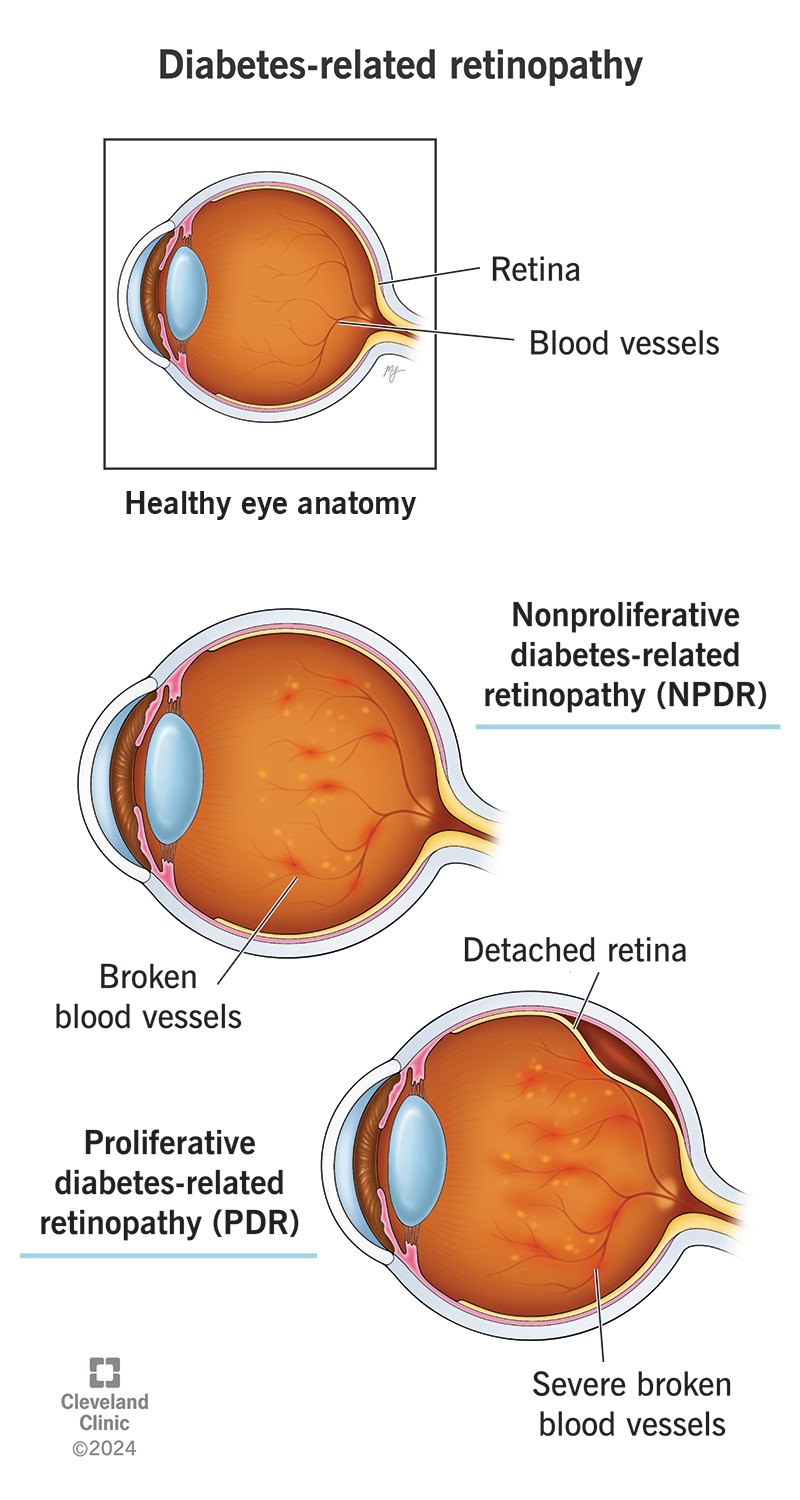
From managing chronic diseases with advanced medication to performing delicate sight-saving surgeries, they provide the comprehensive expertise necessary to treat everything from minor irritations to life-altering conditions.
The Specialist Rule
If your vision isn’t corrected by a simple pair of glasses, it’s likely a medical issue rather than a vision issue. It is important to get a medical diagnosis.
How to Confidently Select the Right Eye Doctor for You
Not all eye exams are created equal. Choosing the right professional depends entirely on whether you need a new look, a new prescription, or medical treatment for a persistent issue.
Use these three steps to make an informed choice:
1. Identify the Expert to Your Specific Need
Knowing who you are visiting is the first step to getting the right care:
- Ophthalmologists (The Medical Experts)
Ophthalmologists are medical doctors (MDs) who provide total eye care. Choose them for medical issues, eye pain, chronic conditions like diabetes, or if you may require surgery. - Optometrists (The Vision Primary Care)
They focus on regular vision health, performing eye exams and prescribing corrective lenses. They can treat minor issues like dry eyes but will refer you to an ophthalmologist for complex medical or surgical needs. - Opticians (The Style Specialists)
These technicians specialise in fitting and dispensing eyeglasses and contact lenses based on a prescription. They do not perform eye exams or diagnose diseases.
2. Match the Specialist to Your Symptoms
- Go to a retail eyewear shop if:
You simply need a new pair of frames, your current prescription has expired, or you want a quick vision screening for school or work. - Seek an Ophthalmologist if:
You have a family history of glaucoma, you are managing a condition like diabetes, or you are experiencing “red flag” symptoms like sudden blurring, flashes of light, or persistent eye pain.
3. Look for Clinical Depth
When selecting a clinic, ask yourself:
- Do they have diagnostic technology?
A high-quality clinic will have advanced imaging tools (like OCT scans) to see beneath the surface of the retina. - Are they surgical-ready?
If you have a condition like cataracts, it is more convenient and safer to be with a specialist who can manage your care from diagnosis all the way through to surgery and recovery. - Do they have a medical track record?
Look for specialists who are affiliated with recognised medical boards or hospitals, ensuring they stay up-to-date with the latest ocular medicine.
Pro Tip:
If you aren’t sure where to start, ask your general practitioner for a referral. They can often point you toward a specialist who has a proven history of treating your specific concerns.
Is it just aging, or something more? Many people confuse the early symptoms of cataracts with the more serious signs of glaucoma. Protect your sight by learning the vital differences between these two common conditions: Glaucoma vs. Cataract Guide.
Preparation Checklist for Your Appointment
A little preparation goes a long way in helping your specialist provide an accurate diagnosis. Before you head to the clinic, ensure you have the following ready:
1. Your Current Vision Aids
2. Your Medical Snapshot
Your eye health is deeply connected to your physical health. Be ready to share:
3. Current Medications & Supplements
Many medications, from antihistamines to blood thinners, can affect your eye health or eye pressure.
4. Your Symptom “Diary”
Be prepared to describe any discomfort clearly:
What to Expect Inside the Exam Room
The type of examinations will vary according to your condition. Your doctor will ask about your general health and family history of eye diseases to get to know you better.
These are some tests that you can expect depending on the diagnosis by your doctor:
1. Visual Acuity Tests
This test is to check the sharpness of your vision. You will read from a projected eye chart of random letters to measure your distance visual acuity and a small, hand-held acuity chart to measure your near vision.
Other aspects of your vision may also be tested like your ability to see in 3D and your peripheral (side) vision.
2. Visual Field Test
A visual field test helps you check for the possible presence of blind spots (scotomas) in your peripheral vision. These types of blind spots can originate from eye diseases such as glaucoma.
Additionally, analysis of blind spots also may help identify specific areas of brain damage caused by a stroke or tumour.
3. Colour Blindness Test
It is often performed early in a comprehensive eye exam to rule out colour blindness. Other than finding out hereditary colour vision deficiencies, colour blindness tests also can give your eye doctor a heads up to possible problems with the eye nerve called the optic nerve that may affect your colour vision.
4. Retinoscopy
This test is done to obtain an approximation of your eyeglass prescription and estimates which lens powers will best correct your distance vision.
The room lights will be dimmed during this test, and you will be asked to focus on a large target on the eye chart. As you stare at the target, a light will be shined at your eye and lenses will be flipped in a machine in front of your eyes.
5. Refraction
A refraction test helps your doctor to determine your level of hyperopia (farsightedness), myopia (near-sightedness), astigmatism and presbyopia, which will ultimately give you your exact eyeglass prescription.
During the test, a phoropter is placed in front of your eyes and a series of lens choices will be shown to you. You will be asked which of the two lenses in each choice looks clearer, and your doctor will continue to do so to refine the lens power until a final eyeglass prescription is reached.
6. Cover Test
This is a simple test to check how well your eyes work together to focus on an object. It also checks your eye alignment. During a cover test, you will be asked to focus on a small object across the room.
Your doctor will then cover each of your eyes alternately while you focus on the target. The test is then repeated with you looking at a near object.
This will enable your doctor to assess whether the uncovered eye must move to pick up the fixation target, which could indicate strabismus or a more subtle binocular vision problem that could cause eye strain or amblyopia (“lazy eye”).
7. Ocular Motility (Eye Movements) Testing
The ocular motility test is performed to test smooth eye movements and to determine how well your eyes can follow a moving object and/or quickly move between and accurately fixate on two separate targets.
You will be asked to hold your head still and to follow the slow movement of a hand-held light or other target with just your eyes.
You may also be asked to move your eyes back and forth between two targets positioned some distance apart from each other, to check for quick eye movements (“saccades”). Eye movement problems can cause eye strain and may affect your ability to read and play sports.
8. Stereopsis (Depth Perception) Test
This test is performed to check eye teaming skills that enable normal depth perception and appreciation of the 3-dimensional nature of objects. You will wear a pair of “3D” glasses and look at a booklet of test patterns which has four small circles.
You will be asked to identify the circle in each pattern that looks closer to you than the other three circles. By successfully identifying the “closer” circle in each pattern, you likely have excellent eye teaming skills that should enable you to experience normal depth perception.
9. Slit Lamp Exam
A slit lamp binocular microscope (or “biomicroscope”) is used to examine the structures of your eye under high magnification. During the slit lamp exam, you will be asked to place your forehead and chin securely against the rests on the front of the instrument, a large looking microscope.
The front structures of your eyes including eyelids, cornea, conjunctiva, iris, and lens, as well as structures located farther back in the eye, such as the retina and optic nerve will be examined.
Eye conditions and diseases such as cataracts, macular degeneration, corneal ulcers and diabetic retinopathy can be detected with the slit lamp exam.
10. Glaucoma Test or Tonometry
Your eye will be numbed with an eye drop, and the eye pressure will be measured with a puff of air at your open eye by using a device called a tonometer. What is called your intraocular pressure (IOP) is then calculated based on your eye’s resistance to the puff of air.
High eye pressure is an indication that you may be at risk for or have glaucoma. Another type of glaucoma test is performed with an instrument called an applanation tonometer.
Yellow eye drops will be dropped in your eye to numb it. Thereafter, you will stare straight ahead into a slit lamp while your doctor gently touches the surface of your eye with the tonometer to measure your intraocular pressure (IOP).
This test is painless and takes only a few seconds.
11. Pupil Dilation Eye Examination
This test is to check all the parts of your eye. It is very important for people with risk factors for eye disease, because it allows for the most thorough evaluation of the health of the inside of your eyes.
During this test, your pupils will be dilated/widened with drops to give the doctor a clear view of the inside of your eyes’ structures.
Once the drops have taken effect, your doctor will use various instruments to look inside your eyes, as well as check your peripheral vision and how well your eye muscles work together.
These drops make your eyes sensitive to light for a few hours, and you will need to wear sunglasses until they wear off. Driving can be difficult immediately after dilating your eyes as vision might be blurry and there can be some glare for a few hours after dilating the eyes. You will also notice difficulty focusing on objects up close.
Why an Annual Exam is Your Vision’s Best Defense
We often take our vision for granted until it begins to fade. But waiting until your vision is blurred or cloudy to see an ophthalmologist is a risky strategy.
Many serious eye problems, as well as systemic issues like diabetes, can be diagnosed during a routine exam long before you notice a single symptom.
You should schedule a medical appointment immediately if you check any of the following boxes:
Vision Changes
Visual Sensitivities
Physical Red Flags
Early intervention is key when it comes to a child’s vision. Discover how to detect and manage Amblyopia in our expert guide: Everything You Need to Know About Lazy Eyes.
Protecting Your Future Self
Your sight is arguably your most valuable sense, and once it is compromised, it can be difficult or even impossible to fully restore. Choosing the right ophthalmologist, ensures that even as your eyes age, they are supported by the latest clinical advancements, keeping your world in focus for decades to come.
Island Hospital provides a multidisciplinary team of ophthalmologists, eye surgeons, and vision specialists dedicated to providing the highest standard of care for your eyes.
Early detection and a clear understanding of your ocular health are your greatest allies.
Book a consultation with our ophthalmology team today to begin your journey toward coordinated and compassionate eye care.
FAQs
What is the difference between an Optometrist and an Ophthalmologist?
While both are eye care professionals, the primary difference lies in their level of training and scope of practice.
| Feature | Optometrist | Ophthalmologist |
|---|---|---|
| Education & Title | Doctor of Optometry (OD) | Medical Doctor (MD) or DO |
| Primary Role | Primary vision care and "frontline" eye health | Medical and surgical specialist for total eye care. |
| Vision Services | Performs eye exams and prescribes glasses/contacts. | Performs eye exams and prescribes glasses/contacts. |
| Medical Care | Treats minor conditions like dry eyes or eye strain. | Treats complex diseases (Glaucoma, Macular Degeneration, etc.). |
| Surgery | Generally does not perform surgery. | Performs all eye surgeries (Cataracts, Lasik, Retinal repair). |
| Systemic Health | Can detect signs of health issues and will refer to a doctor. | Can diagnose and manage health complications like Diabetes. |
| When to See Them | For your routine annual vision check-up. | For pain, chronic disease, or surgical needs. |
Why do I need an eye exam if my vision feels perfectly fine?
Many of the most serious eye conditions such as glaucoma and macular degeneration are often “silent” in their early stages.
This means they can cause permanent damage to your retina or optic nerve before you ever notice a change in your vision.
A comprehensive eye exam allows a specialist to look beneath the surface and detect these issues while they are still highly manageable, effectively saving your sight before symptoms even appear.
Can an eye doctor really tell if I have health issues like diabetes?
Yes. Your eyes are a unique window into your body because they are the only place where a doctor can see your blood vessels and nerves in action without surgery.
During a dilated exam, an ophthalmologist can spot early signs of diabetes (diabetic retinopathy), high blood pressure, and even certain autoimmune diseases.
Often, an eye doctor is the first person to detect these systemic health issues during a routine checkup.
How often should I have a comprehensive eye examination?
For most adults, an annual eye exam is recommended to monitor changes in vision and eye pressure.
However, if you have a family history of eye disease, are over the age of 60, or have a pre-existing condition like diabetes, your ophthalmologist may recommend more frequent visits.
Consistent monitoring is the best defense against age-related vision loss.
Is it safe to buy “off-the-shelf” eye drops for persistent eye pain?
While over-the-counter redness relief drops can provide temporary comfort for minor irritations, they often mask the symptoms of a deeper problem without treating the cause.
Persistent pain, grit, or dryness can be a sign of an underlying infection, corneal abrasion, or chronic dry eye syndrome.
Seeking a professional diagnosis ensures you get a targeted medical treatment rather than a temporary solution that might worsen the condition over time.