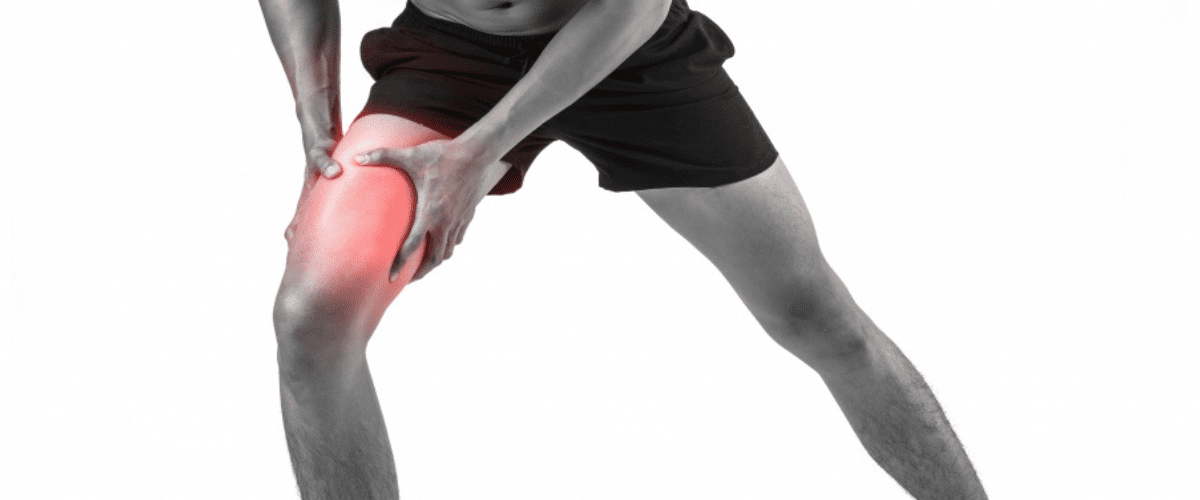
29 May Why Do My Knees Hurt? A Complete Breakdown of Common Causes
Why Do My Knees Hurt? A Complete Breakdown of Common Causes
By Island Hospital | 29 May 2026. 10:00:00 AM
If you’ve searched for knee pain, you’ve likely seen the same advice: “Rest, Ice, Compression, Elevation” (RICE).
But for many, RICE is just a pause button and not a cure. When pain shows up, your brain’s natural response is protection. You move less. You avoid certain motions.
But over time, this creates a vicious cycle: fear of movement (kinesiophobia) leads to inactivity, muscles weaken, and the pain becomes more persistent.
What most people miss is that the knee is a sensory organ, constantly communicating with your brain. And when that system becomes overprotective, pain can linger long after tissues have healed.
This is why lasting recovery requires more than physical treatment. Let’s find out how it involves retraining your brain to feel safe with movement again.
Anatomy of A Knee Pain
Understanding why your body feels “off” requires looking beyond the surface. Most persistent pain is more of a systemic breakdown of how you move and heal.
When Healing Comes with Inflammation
Inflammation is your body’s internal “first responder,” but it was never meant to be a permanent resident.
- The “Good” Cycle: Acute inflammation flushes the area with nutrients and white blood cells to repair tissue.
- The “Bad” Cycle: If the stressor isn’t removed, the body stays in a state of high alert. This creates a self-perpetuating loop where healthy tissue is caught in the crossfire, leading to more sensitivity, which leads to more pain even without new damage
The “Upstream/Downstream” Effect
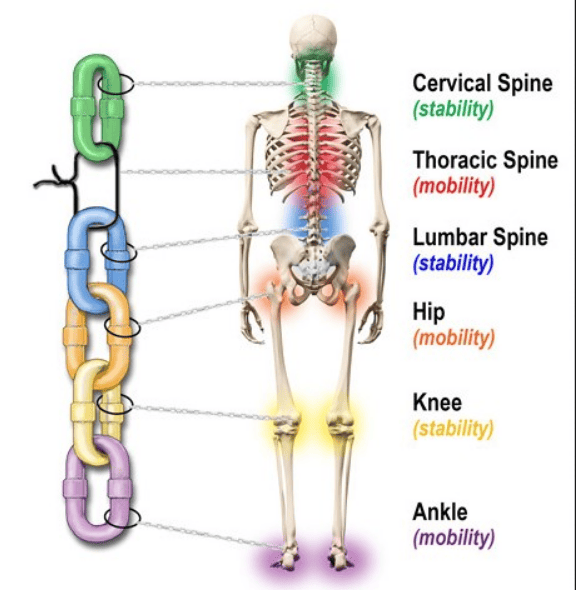
Your knee is part of a chain with other parts of your body.
In movement science, this is known as the regional interdependence model where problems above or below the knee often show up at the knee.
- Weak hips: poor control and inward knee collapse
- Stiff ankles: limited mobility and compensatory movement
- The result: your knee absorbs stress it was never designed to handle
That’s why treating the knee alone often leads to temporary relief at best.
If you don’t fix the source, the symptom will keep coming back.
Desk Knee: The Modern Menace
The average person spends hours a day sitting with knees locked in a 90° bend which our body isn’t designed for.
It seems harmless, but over time, this position places constant tension on the patellar tendon and surrounding structures. Blood flow decreases, tissues stiffen, and your knee adapts to a shortened, inactive state.
Spending hours in this fixed position will leave you feeling tight, unstable, or painful once you stand up.
Known as ‘Desk Knee’, this silent buildup of dysfunction is the direct result of a lifestyle our joints were never meant to endure.
Quick reset rule:
Move before your body forces you to. Stand, stretch, or walk every 30–60 minutes to restore circulation, reduce tension, and keep your knees functioning the way they’re designed to.
Other Common Causes of Knee Pain
Knee pain can stem from a variety of factors, especially in people who stay physically active. Here are some of the most common causes:
- Arthritis
One of the leading causes is osteoarthritis, a condition where the cartilage in the knee gradually breaks down over time. This wear-and-tear process leads to chronic inflammation, stiffness, and reduced mobility. - Injury
The knee is a complex joint, making it vulnerable to injury, particularly during sports or high-impact activities. Damage can occur to ligaments, muscles, or cartilage, ranging from mild sprains and strains to more serious tears. - Overuse
Repetitive movements, such as running or jumping, can place continuous stress on the knee joint. Over time, this can lead to irritation and inflammation. A common example is tendonitis, where the tendons become swollen and painful due to excessive strain.
Risk Factors for Knee Pain
Addressing ‘upstream’ imbalances today is an investment in your future mobility.
With better understanding in neutralising these risks now, you can effectively prevent downstream joint degeneration in later years:
- Excess Weight or Obesity
Being overweight or obese increases the mechanical stress on the knee joint during ordinary activities like walking or standing.It also promotes systemic inflammation that can accelerate the breakdown of joint cartilage. - Lack of Muscle Flexibility or Strength
Weak muscles (especially the quadriceps and hamstrings) provide less support for your joints, while tight muscles can pull the knee out of proper alignment. - Previous Injuries
If you had a prior knee injury, the chances are higher that you will injure your knee again or develop osteoarthritis in that joint later in life. - Biomechanical Issues
Structural abnormalities, such as having one leg shorter than the other, misaligned knees (bow-legged or knock-kneed), or flat feet, can shift the weight-bearing load unevenly. - Occupational Demands
Jobs that require repetitive kneeling, heavy lifting, or long periods of standing on hard surfaces put consistent strain on the patellar tendons and bursae.
What to Ask Your Doctor
The right diagnosis saves you both time and money. Here is a quick medical ‘cheat sheet’ to help you navigate your testing options:
X-Rays and Imaging
- X-Ray: Best for detecting arthritis and bone-on-bone changes
- MRI: Ideal for soft tissues like ligaments and meniscus
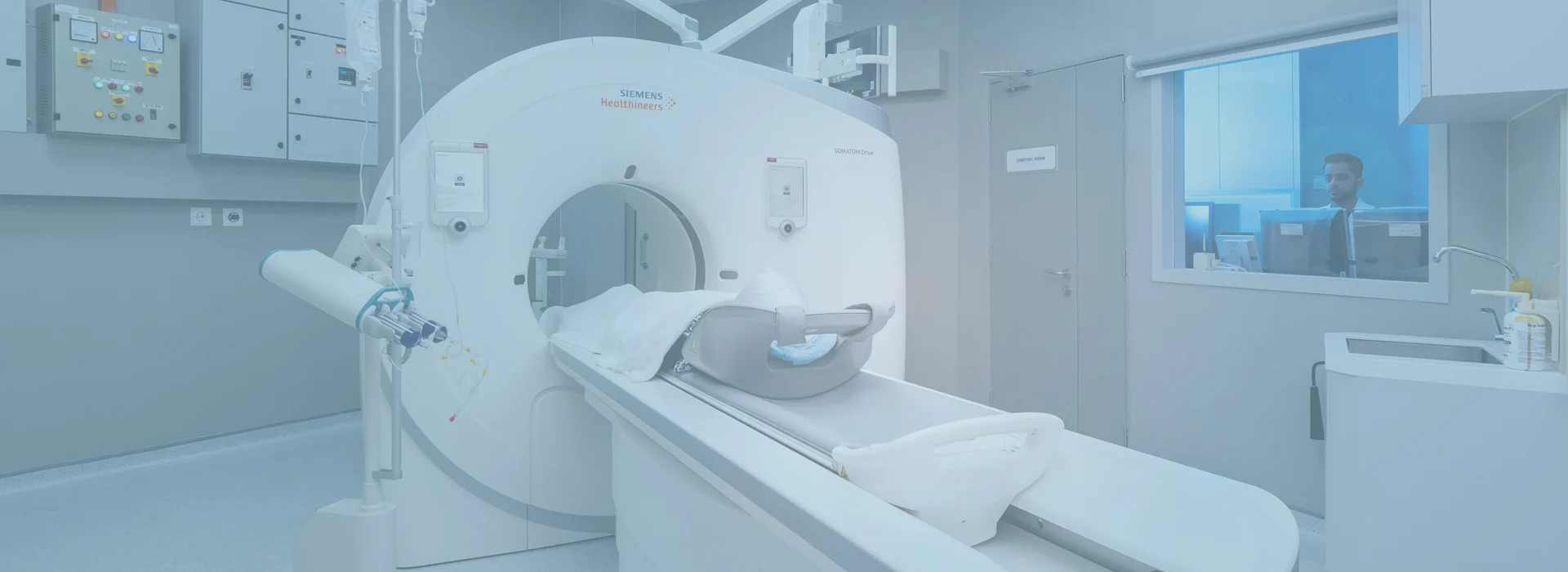
- CT Scan: Used for complex fractures or alignment issues
Red Flag Symptoms (Don’t Ignore These)
- Persistent night pain that disrupts sleep
- Sudden swelling without injury
- Fever with joint pain
- Inability to bear weight
If you experience any of these, seek medical attention promptly.
The 7-Day “Active Recovery” Protocol
Don’t just sit on the couch. Use this transition guide to shift from “Ouch” back to “Active.”
| Phase | Focus | Key Action |
|---|---|---|
| Days 1-2 | Protection | R.I.C.E. Protocol: Limit weight-bearing. When resting, place a pillow under your calf (not the knee) to keep the joint neutral and straight. |
| Days 3-4 | Activation | Quad Sets: Sit with legs straight. Tighten your thigh muscle to press the back of your knee into the floor. Hold for 5 seconds; repeat 10x. |
| Days 5-7 | Mobility | Heel Slides: While lying down, slowly slide your heel toward your glutes, then back out. Stop if pain exceeds 3/10. |
Overcoming “Kinesiophobia”
One of the biggest hurdles in chronic knee pain often isn’t structural but rather the fear of movement.
When your brain expects pain, it creates a “protective guard” by tensing the muscles around the joint. Ironically, this constant tension increases pressure and sensitivity, creating a self-fulfilling prophecy of pain.
The solution lies in “Graded Exposure” to recalibrate your nervous system:
- Low-Stakes Movement
Start with “safe” environments like swimming, cycling, or chair yoga. - The “Evidence” Method
Perform these movements to prove to your brain that movement = damage. - Micro-Wins
Gradually increase intensity only after your brain accepts the previous level as safe.
Rehabilitation is the most critical step toward regaining mobility after knee surgery. Find out how to ensure a successful recovery and prevent long-term stiffness in our comprehensive guide: Knee Surgery Rehabilitation: Tips for a Successful Recovery.
Lifestyle & Ergonomic for Knee Longevity
Small, strategic shifts in your daily habits can yield massive reductions in joint pressure.
Build a Knee-Friendly Environment
Your daily setup matters more than you think. Small adjustments in how you sit, stand, and move can significantly reduce strain on your knees over time.
At Work
- Use anti-fatigue mats if you stand for long periods to reduce joint stress
- Adjust your chair so your hips sit slightly higher than your knees (aim for about a 100° angle)
- Keep feet flat and avoid crossing your legs for extended periods
At Home
- Minimise deep squatting or sitting on very low chairs and sofas
- Choose supportive, cushioned indoors footwear to reduce impact
- Be mindful of repetitive movements like kneeling or climbing stairs excessively
Maintaining A Healthy Body Weight
Every pound counts. For every 1 lb of body weight you lose, you remove 4 lbs of mechanical pressure from your knee joint with every single step. Over a mile of walking, that’s thousands of pounds of stress saved!
The Rule for Climbing Up & Down The Stairs
To protect an injured or sensitive joint, remember this simple rule for stairs:
- Going UP: Lead with your “Good” leg. (Up to Heaven)
- Going DOWN: Lead with your “Bad” leg. (Down to Hell)
This ensures your strongest muscles take the brunt of the weight while your recovering side stays supported.
Strategic Nutrition
- The Anti-Inflammatory Boost: Prioritise healthy diets especially foods rich in omega-3 fatty acids (found in fatty fish and walnuts) and collagen to reduce systemic inflammation and support the structural integrity of your cartilage.
- The Gout Guard: If you struggle with high uric acid, strictly limit high-purine triggers like red meat, organ meats, and shellfish to prevent painful, sudden flare-ups. Check out our expert breakdown of the “Best and Worst Foods for Gout Management”.
Treatment Options
Treatment typically follows a “stepped” approach, starting with the least invasive methods before considering surgical intervention.
1. Physical Therapy
This is the gold standard for long-term recovery. A therapist designs specific exercises to strengthen supporting muscles, improve range of motion, and correct movement patterns that cause pain.
2. Pharmacological Management
- Oral Medications: Over-the-counter NSAIDs (like ibuprofen) or paracetamol to manage inflammation and pain.
- Topical Treatments: Creams or patches containing diclofenac or menthol for localised relief.
3. Injections
- Corticosteroids: To quickly reduce severe inflammation and pain.
- Hyaluronic Acid: A “lubricant” injected into the joint to improve cushioning (often used for osteoarthritis).
4. Surgical Interventions
- Arthroscopy: A minimally invasive procedure using small incisions to repair meniscus tears or remove loose cartilage fragments.
- Osteotomy: Realignment of the bone to shift weight away from the damaged side of the knee.
- Partial or Total Knee Replacement: Replacing damaged joint surfaces with metal and plastic components to restore function in advanced cases.
Alternative & Holistic Therapies
Not all treatments deliver the same value.
Some are supported by strong clinical evidence and consistently improve outcomes while others may sound promising but warrant a more cautious, well-informed evaluation before you invest your time, money, or hope.
1. PRP & Stem Cell Therapy
Regenerative treatments like Platelet-Rich Plasma (PRP) and stem cell therapy are gaining attention for their potential to support tissue healing.
As medical science continues to advance, new possibilities for recovery are emerging every day. Because these treatments are at the forefront of innovation, their results can vary by individual, and they often require an out-of-pocket investment.
They can be viewed as valuable adjunct options that complement your recovery journey rather than a one-size-fits-all solution.
2. Acupuncture & Dry Needling
These therapies focus on the nervous system as much as the muscles. By targeting specific points, they may help modulate pain signals, release muscle tightness, and improve local circulation.
For some people, this translates into noticeable relief especially for chronic tension or overuse injuries. However, outcomes can vary, and these methods are best used as part of a broader rehab strategy rather than a standalone solution.
While these emerging therapies can offer a valuable head start, they are most effective when they clear the path for the real work.
Ultimately, active rehabilitation remains the gold standard for knee longevity.
Life Beyond Recovery
Recovering from knee pain also involves navigating work, mobility, and access to support. Knowing your options can make the process smoother and less stressful.
Navigating Work
If knee pain is affecting your ability to perform daily tasks, you may be entitled to reasonable workplace accommodations. These adjustments are designed to reduce strain while helping you stay productive.
Examples include:
- Modified or ergonomic seating
- Reduced standing or walking demands
- Access to assistive devices or supportive equipment
Open a conversation with your employer early. Clear communication often leads to practical solutions that benefit both your recovery and your work performance.
Driving
Before returning to driving, consider these:
- Reaction time: Can you respond quickly in an emergency?
- Strength and control: Do you have full, stable control of your leg?
- Pain levels: Does movement cause hesitation or delay?
If your knee affects your ability to brake confidently, it’s best to hold off until you’ve been cleared by a healthcare professional.
Support for Seniors & Long-Term Care
For older adults or those with persistent limitations, additional support may be available to maintain independence and safety.
Common resources include:
- Mobility aids such as walkers, canes, or knee braces
- Home modifications like ramps, grab bars, and railings
- Community rehabilitation programs for guided recovery
Availability varies by location, so check with local healthcare providers, community centers, or social welfare agencies to explore what you may qualify for.
Not every knee pain we blame on ageing should be ignored. If rehabilitation and medication are no longer working, it may be a sign of a more serious joint issue. Check out this guide on: How Do I Know If I Need Knee Replacement?
Build Long-Term Knee Resilience
Managing knee pain is about maintaining the independence and mobility required to live a full, active life.
However, physical mobility is only one half of the healthy aging equation. Just as we monitor the “wear and tear” on our joints, we must be proactive about the health of our minds.
At Island Hospital, our Orthopaedics team can help you relieve your knee pain if it persists, worsens, or starts limiting your lifestyle.
The sooner you take action, the better you can protect your quality of life. Book a screening and consult with our orthopaedic doctors today.
FAQs
What is the fastest way to relieve knee pain at home?
The fastest way to relieve knee pain depends on the underlying cause, but most cases respond well to the POLICE method (Protection, Optimal Loading, Ice, Compression, and Elevation).
Unlike the RICE approach which mainly works on ankle sprains , POLICE emphasises gentle, controlled movement (optimal loading) rather than complete rest. This helps maintain joint mobility, prevent stiffness, and support faster recovery.
For quick relief:
- Apply ice for 15–20 minutes to reduce pain and swelling
- Use compression (like a knee sleeve) to limit inflammation
- Elevate the leg when resting
- Avoid prolonged inactivity, but keep movement light and pain-free
How do I know if my knee pain is serious?
Knee pain may be serious if you experience:
- Inability to bear weight
- Severe swelling or deformity
- Persistent night pain
- Fever with joint pain
- Locking or instability
These symptoms could indicate ligament tears, infections, or advanced joint damage and should be evaluated by a medical professional.
Can knee pain come from the hip or ankle?
Yes. Knee pain is often linked to problems in the hip or ankle due to a concept called regional interdependence. Weak hip muscles or stiff ankles can change movement patterns, placing extra stress on the knee joint and leading to pain.
Is walking good or bad for knee pain?
Walking is generally good for knee pain when done correctly. It helps maintain joint mobility, improves circulation, and strengthens surrounding muscles.
However, excessive walking or poor biomechanics can worsen symptoms. Start with short, controlled walks and increase gradually.
Does losing weight really reduce knee pain?
Yes, losing weight can have a powerful and measurable impact on knee pain. Research shows that for every 1 pound lost, roughly 4 pounds of pressure are taken off the knee joint with each step.
Even modest weight loss can make a noticeable difference. Reducing excess load helps ease pain, improve mobility, and slow joint wear over time, especially in conditions like osteoarthritis.
In many cases, it’s one of the most effective non-surgical strategies for long-term knee health.