

27 Jul 6 Silent Symptoms of Kidney Failure Most People Miss
6 Silent Symptoms of Kidney Failure Most People Miss
By Island Hospital | 27 July 2026. 10:00:00 AM
There’s a massive gap between what happens in a dialysis center and what happens in your living room. Doctors handle the clinical side of End-Stage Renal Disease, but you’re the one who has to handle the life side.
If you’re tired of being treated like a patient and ready to start living like a person again, you’re in the right place.
We’re moving beyond the frightening statistics to focus on the practicalities: how to eat, how to travel, and how to maintain your energy when the medical system feels like it’s taking it all.
What is Kidney Failure?
Kidney failure, or End-Stage Renal Disease (ESRD), occurs when your kidneys lose the ability to filter waste from your blood sufficiently to sustain life. In clinical terms, this usually means your kidney function has dropped below 15%.
Common Causes & Risk Factors
Understanding how you got here is the first step in preventing further complications. The two primary “silent” drivers of kidney damage are:
- Diabetes
High blood sugar levels act like sandpaper on the delicate filters (nephrons) inside the kidneys. - Hypertension
High blood pressure and extensive force scars the blood vessels in the kidneys, reducing their ability to clean the blood. - Other Factors
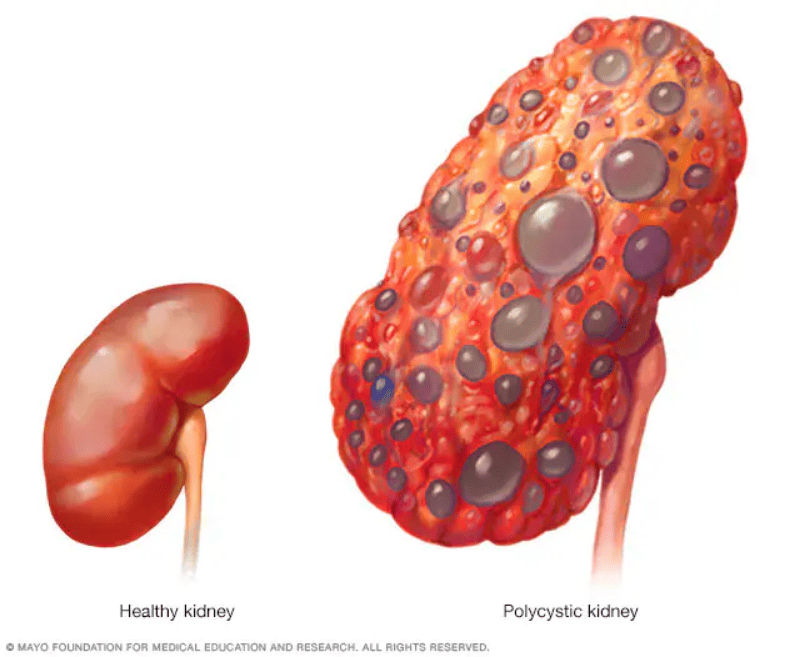
Glomerulonephritis, polycystic kidney disease, or prolonged use of certain medications (like NSAIDs).
Understanding the ESRD Stages
What Do eGFR Numbers Actually Mean?
Your estimated Glomerular Filtration Rate (eGFR) measures how well your kidneys filter waste.
| Stage | eGFR | What It Means for You |
|---|---|---|
| Stage 1 | 90+ | Normal function, but some damage present |
| Stage 2 | 60–89 | Mild loss; monitor closely |
| Stage 3 | 30–59 | Moderate decline; symptoms may begin |
| Stage 4 | 15–29 | Severe damage; prepare for treatment |
| Stage 5 | <15 | Kidney failure; dialysis or transplant needed |
The Stage 3/4 “Safety Zone”: How to Slow Progression
If you’re in Stage 3 or 4, this is your window to act.
Ask your nephrologist:
Medication Red Flags (Avoid or Use Carefully):
- NSAIDs like ibuprofen and naproxen
- Certain antacids with magnesium or aluminum
- Herbal supplements (often unregulated)
These can quietly speed up kidney damage.
What Does Kidney Failure Feel Like in Real Life?
Doctors in a hospital see your health data, but at home, you experience the subtle, frustrating shifts in your energy and senses. Long before a lab test confirms a change, you’ve likely already felt it in the small, everyday moments of your life.
Here is what those changes look like:
- Metallic taste (Uremia)
You might find yourself seasoning your food more or losing your appetite for meat.When toxins build up in the blood, it can create a persistent metallic taste in your mouth, making your favorite meal suddenly taste like a handful of spare change. - Persistent Itching (Pruritus)
This type of itch is a deep, restless sensation caused by a buildup of phosphorus and waste that lotions can’t reach. It often feels like it’s coming from under the skin and can become more intense at night. - Exhaustion
Unlike standard fatigue, this is a persistent heaviness that rest cannot resolve because the kidneys aren’t triggering the production of enough red blood cells.This causes your muscles and brain to operate on a deficit, making even the simplest movements feel like an uphill battle. - Restless legs
Many people experience a “crawling” or “electric” sensation in their legs (restless leg syndrome) the moment they try to relax. It’s a common but often overlooked side effect of the chemical imbalances that occur when kidneys struggle to filter the blood.
Why These Things Matter
If these experiences sound familiar, your body is essentially sending up a flare. It’s easy to dismiss a metallic taste or a tired afternoon as ‘just one of those things,’ but acknowledging them now changes the trajectory of your health.
Early detection is all about diagnosis and intervention. Catching these signals today allows you to slow the clock and keep your life looking exactly the way you want it to.
The Importance of Early Detection
Kidney disease is often called a “silent killer” because symptoms rarely appear until the damage is advanced. This is why awareness is your strongest defense.
Early signs can be subtle and easily dismissed:
- Changes in Urination
Noticeable shifts in frequency (especially at night), a change in color, or the presence of bubbles or foam, which indicates protein is leaking into the urine. - Persistent Swelling (Edema)
Your kidneys help filter sodium but when they struggle to carry out this activity, fluid builds up. Look for sock marks on the ankles, puffiness around the eyes that won’t go away, or tight-fitting shoes. - Oxygen Depreciation & Fatigue
A buildup of toxins (uremia) or a drop in red blood cells can leave you feeling profoundly exhausted, as your brain and muscles struggle to get enough oxygen. - Skin Irritation and Itching
When kidneys can’t maintain the right balance of minerals and nutrients, it often manifests as severely dry, itchy skin or a renal itch that feels like it’s coming from beneath the surface. - Metallic Taste
A buildup of waste in the blood can make food taste like metal or cause persistent bad breath that isn’t solved by brushing. - Muscle Cramping
Imbalances in calcium and phosphorus levels that are controlled by the kidneys, can lead to frequent, painful muscle spasms, particularly in the legs.
Knowing When to Seek Emergency Care
Sometimes, kidney-related issues escalate quickly. If you experience any of the following, head to the emergency room immediately:
The Reality of Kidney Transplantation
For many, a kidney transplant is the “gold standard” for reclaiming a sense of normalcy.
While a transplant offers the highest quality of life for those with kidney failure, it is a lifelong commitment involving:
- Extensive Wait Times
Depending on your location and blood type, the wait can stretch into years. This is why many families explore Living Donation as it can bypass the long registry wait and often provides the most resilient long-term results. - Immunosuppressant Therapy
To keep your body from attacking the new organ, you’ll need to start a strict, non-negotiable schedule of medications. It’s a small price for freedom from a dialysis machine, but it requires diligent organisation. - Risk Management
Life after a transplant involves staying in tune with your body. You become a partner with your medical team, monitoring for rejection signs or side effects. It’s less about being sick and more about being a dedicated guardian of your new kidney.
Looking for the best way to treat kidney stones? Modern urology offers multiple advanced methods to safely remove stones and restore kidney function. Explore your options in our guide: 4 Effective Treatment Methods to Remove Kidney Stones.
Treatment Options for Kidney Failure
Choosing a dialysis method is a personal decision about how you want to live. The best version is simply the one that protects your energy and works with your daily routine.
| The Choice | Hemodialysis (In-Center) | Peritoneal Dialysis (At Home) |
|---|---|---|
| The Approach | Clinical Supervision | Self-Management |
| Location | A specialised clinic with medical staff on-site. | Your home, office, or anywhere clean and private. |
| Schedule | Fixed appointments, typically three times a week. | Flexible daily sessions, often done while you sleep. |
| The Benefits | Medical professionals handle the treatment. No equipment stays at your house. | Greater independence. Easier to maintain a work schedule or travel. |
| The Trade-offs | Post-treatment fatigue (the "washout" feeling) is common Travel requires booking clinic slots in advance. | Requires storage space for supplies and strict adherence to hygiene and setup routines. |
Noticing these shifts is actually an advantage. Most people wait for a lab result to tell them something is wrong, but by paying attention to these physical cues, you’re already one step ahead.
Conservative Management
Dialysis is not the only option for managing kidney failure. For some, especially those with other serious health conditions, the physical toll of dialysis may outweigh the benefits.
In these cases,conservative management is a practical and recognised alternative.
This approach focuses on your comfort and quality of life rather than using a machine to filter your blood. Your medical team will focus on:
- Symptom Management: Treating issues like itching, fatigue, and pain directly to keep you comfortable without the stress of dialysis.
- Time and Routine: Avoiding the 12–15 hours a week spent in a clinic so you can stay in your own home and maintain your normal schedule.
- Quality of Life: Tailoring your medical care to fit your personal goals and what matters most to you.
The Dialysis Checklist
A typical dialysis session is a significant block of time which usually takes three to five hours. Since you’ll be stationary, the goal is to turn your chair into a personal sanctuary.
Understanding the Kidney Diet
Eating for kidney health is about managing your body’s internal chemistry. When kidneys aren’t fully functional, they cannot filter certain minerals effectively. Choosing the right foods reduces the “manual workload” on your system.
Three Key Minerals to Track
- Sodium: This causes your body to hold onto fluid. High sodium levels increase blood pressure and cause swelling in the legs and ankles.
- Potassium: This mineral regulates your heartbeat. If levels get too high, it can interfere with the heart’s electrical signals and become dangerous.
- Phosphorus: High phosphorus levels can pull calcium out of your bones to compensate. This makes bones brittle and can cause minerals to build up in your blood vessels.
Better Food Swaps for Kidney Health
You can still enjoy your favorite meals by making small adjustments. These swaps help keep your lab results stable while keeping your food flavorful.
| Instead of... | Try... | The Reason |
|---|---|---|
| Potatoes | Cauliflower or Radishes | You get the same "mash" or "roast" texture with a fraction of the potassium. |
| Bananas & Oranges | Apples, Berries, or Grapes | These are "kidney-friendly" fruits that satisfy a sweet tooth without spiking potassium. |
| Dark Sodas | Ginger Ale or Sparkling Water | Dark sodas are loaded with "hidden" additives that the body absorbs instantly. |
| Table Salt | Fresh Herbs, Lemon, or Garlic | Salt substitutes often use potassium, which is dangerous for CKD. Fresh aromatics are much safer. |
Practical Tips for Managing Thirst
Managing fluid intake is often one of the most difficult parts of a kidney-friendly diet. Here are three ways to handle thirst without exceeding your daily limit:
- The Ice Cube Method
A small ice cube takes longer to consume and feels more refreshing than a quick sip of water. It helps satisfy thirst with less total fluid. - Stimulate Saliva
Sucking on sugar-free sour candy or a frozen grape can help fix a dry mouth more effectively than drinking water. - Visual Tracking
Avoid guessing your daily intake. Fill a container with your total allowed fluid for the day. Every time you have a drink, pour that same amount out of the container. Once it’s empty, you’ve hit your limit.
Identifying blood in your urine is the first step toward protecting your health. Explore the causes and next steps in our guide: Seeing Blood in Your Urine? 5 Common Causes of Hematuria Explained.
Reclaiming Your Identity Beyond a Cancer Diagnosis
A diagnosis of kidney failure is a significant life change, but with the right medical partners and a proactive plan, you can navigate this transition with confidence.
Island Hospital provides a multidisciplinary team of nephrologists, vascular surgeons, and renal coordinators dedicated to supporting you through every stage of treatment. We believe that managing kidney health means treating the whole person, not just the condition.
Early intervention and a clear roadmap are your greatest allies. Better outcomes start with a precise understanding of your health.
Book a consultation with our nephrology team today and take a proactive step toward a coordinated and compassionate care plan.
FAQs
How long can I live with kidney failure?
There is no single answer, as it depends heavily on your age, overall health, and the treatment path you choose. With modern medical advancements, many people live for 20 years or more with kidney failure.
The key to longevity is a proactive approach: consistent dialysis, a kidney-friendly diet, and exploring transplant options, which generally offer the best long-term survival rates.
Can I keep working after a diagnosis?
Absolutely. Many people continue to work full-time or part-time. The key is finding a treatment schedule that fits your professional life. If you have a desk job, you might even be able to work during dialysis sessions.
For those with more physical roles, discussing flexible hours or exploring home dialysis options can provide the energy and time needed to stay active in your career.
Will I feel different depending on which treatment option I choose?
Generally, yes. The two treatments offer a very different physical experience:
- Hemodialysis
As this is usually done just three times a week, your body has to work harder in a shorter window. In the days between sessions, fluid and toxins can build up, and the process of removing them all at once can be taxing. This will leave you completely drained before your energy begins to return several hours after your dialysis session. - Peritoneal Dialysis
Since this is conducted daily, it works much more like your original kidneys. As there is no massive buildup of toxins or fluid between sessions, your body doesn’t experience those sharp “peaks and valleys.” Most people on this path report more stable, consistent energy levels and fewer dietary restrictions, making it feel less like a medical event and more like a background part of their routine.
I’m a caregiver and I want to help, but I feel like I’m constantly nagging. How can I better support my loved one?
The shift from “partner” to “caregiver” is a delicate one. The most successful approach is to focus on encouragement over pressure.
Instead of focusing on what they can’t eat or do, focus on the small wins like a stable lab report or a day where they felt more energetic. It is important to remember that your role is to be their teammate, not their doctor.
Is conservative management for kidney failure the right choice for me?
This is a deeply personal decision that transcends lab reports. It’s about asking: “Will dialysis add years to my life, or just life to my years?”
For many elderly or frail patients, the rigors of dialysis can actually diminish their quality of life. Choosing conservative care is a way to ensure that the time you have is defined by peace and connection, not by clinical appointments.