

30 Jan Is It a Cold or Influenza-Like Illness? 5 Symptoms to Watch For
Is It a Cold or Influenza-Like Illness? 5 Symptoms to Watch For
By Island Hospital | 30 January 2026. 12:00:00 PM
Flu symptoms can be confusing and sometimes misleading.
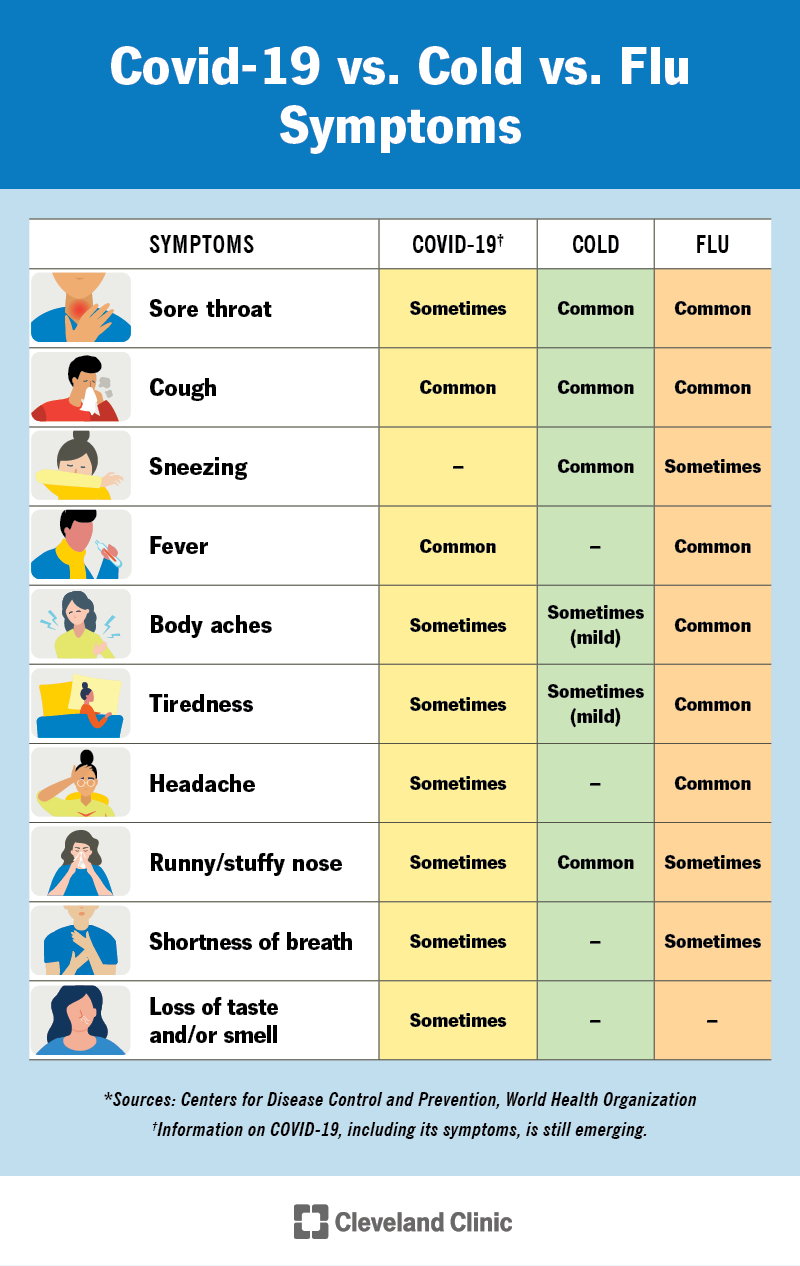
Fever, body aches, sore throat, and fatigue can point to influenza, but they can also signal a common cold, COVID-19, dengue, or other flu-like infections.
Because the symptoms overlap, many people assume it’s “just the flu” and reach for paracetamol, hoping it will pass.
While paracetamol may temporarily reduce fever or pain, it doesn’t treat the underlying infection — and relying on it alone can delay proper care.
This guide explains flu symptoms in detail, how they progress, how to differentiate them from other illnesses, and when seeing a doctor is the safer choice.
What Is the Flu?
The flu is a contagious viral infection that affects the nose, throat, and lungs. Unlike the common cold, flu symptoms usually start suddenly and can be much more intense.
What Causes the Flu?
The flu is caused by influenza viruses, mainly:
- Influenza A (often responsible for outbreaks)
- Influenza B (more common later in the season)
These viruses spread through coughing, sneezing, talking, or touching contaminated surfaces and then touching your face
Common Flu Symptoms (And What They Feel Like)
Flu symptoms tend to hit fast and hard, often within a few hours.
Classic Flu Symptoms
- Sudden high fever
- Chills and shivering
- Severe muscle and body aches
- Headache
- Extreme tiredness or weakness
- Dry, persistent cough
- Sore throat
Less Common Flu Symptoms
- Nausea or vomiting (especially in children)
- Diarrhea
- Chest discomfort or tightness
Not everyone gets every symptom, and some people may not develop a fever at all.
Flu Symptom Timeline: What to Expect Day by Day
One of the most stressful parts of having the flu is not knowing what’s normal and what might signal a problem. Flu symptoms tend to follow a fairly predictable pattern, although everyone experiences them a little differently.
Understanding this timeline can help you know what to expect—and when to seek medical advice:
Days 1–2: Sudden Onset Phase
The flu often starts abruptly, sometimes within a few hours.
- Rapid rise in fever (often 38–40°C / 100–104°F)
- Chills and shivering, even in warm rooms
- Intense body and muscle aches, commonly in the back, legs, and joints
- Headache, often behind the eyes
- Extreme fatigue—simple tasks feel exhausting
- Dry or tickly cough may begin
- Sore throat or nasal discomfort in some people
Many people describe this phase as feeling like they were “hit by a truck.” This is usually when it becomes clear that this isn’t just a cold.
Days 3–5: Peak Illness Phase
This is typically the worst part of the flu.
- Fever may continue or fluctuate, sometimes spiking again
- Cough becomes more persistent and uncomfortable
- Muscle pain, weakness, and heaviness in the body continue
- Loss of appetite and mild nausea may occur
- Difficulty concentrating or brain fog
- Poor sleep, often due to fever, coughing, or aches
During this phase, rest and hydration are crucial. Many people feel frustrated because even with medication, symptoms may only improve slightly
Days 6–10: Early Recovery Phase
Symptoms start to ease, but recovery is gradual, not instant.
- Fever resolves or becomes low-grade
- Cough and nasal congestion linger, especially at night
- Energy slowly returns, but stamina is still low
- Weakness and lightheadedness are common when resuming activities
- Voice hoarseness or throat irritation may persist
This is when people often try to return to work or daily routines—sometimes too quickly. Overexertion can worsen fatigue or prolong recovery.
Weeks 2–3: Post-Flu Fatigue Phase
Even after the main symptoms improve, lingering effects are common.
- Persistent tiredness, especially in the afternoons
- Reduced exercise tolerance
- Occasional cough or throat clearing
- General “not quite myself” feeling
This ongoing fatigue is normal. Your immune system has worked hard, and your body needs time to fully recover.
Gradually increasing activity—rather than pushing through exhaustion—helps prevent setbacks.
When the Timeline May Be Different
Seek medical advice if:
- Fever lasts more than 5 days or returns after improving
- Symptoms suddenly worsen after initial recovery
- You experience shortness of breath, chest pain, confusion, or severe weakness
- Recovery feels stalled beyond 3–4 weeks
Flu vs Flu-Like Illness (ILI): What’s the Difference?
Not every fever, cough, or body ache means you have the flu. Many infections cause similar symptoms, which is why the term flu-like illness is often used in clinics.
It is important that you understand the difference to help you know what to expect—and why testing or medical advice is sometimes necessary.
What Is Influenza-Like Illness (ILI)?
Influenza-like illness refers to fever plus respiratory symptoms, but the cause may be:
- Respiratory syncytial virus (RSV): common in children and older adults
- Adenovirus: can cause fever, sore throat, and eye symptoms
- Parainfluenza: often linked to croup or bronchitis
- COVID-19
- Other seasonal respiratory viruses
Key Differences Between Flu and Influenza-Like Illness
| Feature | Flu (Influenza) | Influenza-Like-Illness |
|---|---|---|
| Onset | Very sudden (hours) | Gradual or sudden |
| Fever | High (often >38.5°C) | Mild to moderate |
| Body aches | Severe and widespread | Mild or localized |
| Fatigue | Extreme, debilitating | Mild to moderate |
| Headache | Common and intense | Less common |
| Testing | Often recommended | Sometimes helpful |
This overlap is why doctors don’t rely on symptoms alone especially during flu season or outbreaks.
How Doctors Diagnose the Flu
Diagnosing the flu isn’t always as simple as running a single test. At Island Hospital, our Infectious Diseases specialists combine careful clinical assessment with appropriate laboratory testing to ensure an accurate diagnosis and guide the most effective treatment plan
Clinical Diagnosis vs Laboratory Testing
In many cases, doctors can make a clinical diagnosis of the flu without immediate testing especially if it’s during peak flu season. They consider:
- Symptoms
Sudden onset of high fever, severe body aches, headache, dry cough, sore throat, and extreme fatigue strongly suggest influenza. - Symptoms Duration
Flu symptoms typically worsen quickly within the first 24–48 hours, unlike colds, which develop more gradually. - Current outbreaks and flu activity
If influenza is actively circulating in the community, the likelihood that flu-like symptoms are caused by influenza increases.
Clinical diagnosis is often sufficient for otherwise healthy adults with mild to moderate illness
Laboratory Testing (When Confirmation Is Needed)
Testing is more likely when:
- Symptoms are severe or worsening
- The patient is at higher risk of complications
- Results will influence treatment decisions
Common flu tests include:
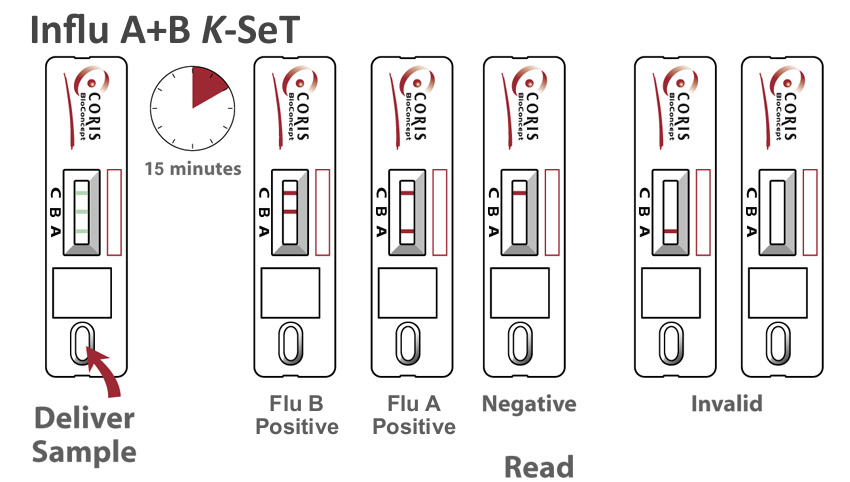
- Rapid influenza diagnostic tests (RIDTs)
- Results in 15–30 minutes
- Convenient but less sensitive
- A negative result does not always rule out flu
- PCR (polymerase chain reaction) tests
- Highly accurate and sensitive
- Can detect influenza A and B
- Takes longer but provides more reliable results
Doctors may also test for COVID-19 or other respiratory viruses if symptoms overlap.
Why Flu Testing Matters
Confirming the diagnosis helps doctors determine:
- Whether antiviral medication may help
Antivirals work best when started within 48 hours of symptom onset. - Risk of complications
Testing is especially important for older adults, pregnant individuals, young children, and those with chronic medical conditions. - Isolation and infection control decisions
Identifying influenza helps prevent spread to family members, workplaces, schools, and healthcare settings. - Avoiding unnecessary antibiotics
A confirmed viral diagnosis reduces inappropriate antibiotic use.
Sore throat, cough, or congestion? Find out how to relieve symptoms and support recovery in Upper Respiratory Tract Infection (URTI): Symptoms and Treatments.
Flu Treatment: What Works and When
There’s no instant cure for the flu, but the right treatment at the right time can reduce symptom severity, shorten recovery, and lower the risk of complications.
Treatment depends on how severe the illness is and who is affected.
1. Home Care for Mild Flu
Most healthy adults with mild to moderate flu symptoms recover at home within 1–2 weeks. Supportive care helps the body fight the infection and prevents dehydration or exhaustion.
Key home treatment measures include:
- Plenty of rest to allow your immune system to work more effectively
- Adequate fluid intake such as warm drinks or soup
- Fever- and pain-relieving medications (e.g. paracetamol or ibuprofen)
- Having light, nourishing meals
⚠️ Avoid aspirin in children and teenagers due to the risk of Reye’s syndrome.
2. Antiviral Medications
Antiviral drugs target the influenza virus itself and are most effective when started within 48 hours of symptom onset.
Antivirals may:
- Shorten the duration of illness
- Reduce symptom severity
- Lower the risk of complications, such as pneumonia
- Help high-risk individuals recover faster
Antivirals are commonly recommended for:
- Older adults
- Pregnant individuals
- Young children
- People with chronic medical conditions
- Patients with severe or rapidly worsening symptoms
Even when started later than 48 hours, antivirals may still be beneficial in severe cases or in hospitalised patients.
What Antibiotics Do Not Treat
Antibiotics do not treat the flu because influenza is caused by a virus, not bacteria.
Antibiotics are only prescribed if a secondary bacterial infection develops, such as:
- Bacterial pneumonia
- Sinus infections
- Ear infections
Unnecessary antibiotic use does not improve flu recovery and contributes to antibiotic resistance and unwanted side effects
When Should You See a Doctor for Flu Symptoms?
| Group | Symptoms or Situations That Require Medical Care |
|---|---|
| Adults | - Fever lasting more than 3 days - Chest pain or pressure - Shortness of breath - Severe or worsening weakness - Confusion or persistent dizziness |
| Children | - Rapid or laboured breathing - Bluish lips or face - Poor feeding or signs of dehydration (dry mouth, fewer wet diapers) - High fever not responding to medication - Unusual sleepiness, lethargy, or irritability |
| High-Risk Groups | - Age 65 years and older - Pregnant individuals - Chronic medical conditions (heart disease, lung disease, diabetes) - Weakened immune system (due to illness or medication) |
Sinus problems are common and often underestimated. Find out how to relieve symptoms, prevent flare-ups, and protect your sinus health in Sinus Care: How to Treat and Prevent Sinusitis.
How Long Is the Flu Contagious?
One of the most common questions people ask is “When am I contagious, and when is it safe to be around others?”.
The flu can spread even before you realise you’re sick, which is why outbreaks move quickly.
1. Typical Contagious Period
People with influenza are usually contagious:
- About 1 day before symptoms begin
You can spread the virus even before feeling unwell. - Up to 5–7 days after symptoms start
This is when coughing, sneezing, and close contact are most likely to transmit the virus.
2. Who May Be Contagious for Longer?
Some people shed the virus for a longer period, including:
- Children, especially younger ones
- People with weakened immune systems
- Those with severe illness
In these cases, contagiousness may last more than a week, even if symptoms seem mild
3. Returning to Work or School Safely
To reduce the risk of spreading the flu, it’s important not to return too early—even if symptoms seem manageable. You should return only when:
- Your fever has been gone for at least 24 hours
This should be without the use of fever-reducing medications such as paracetamol or ibuprofen. - Your energy levels are clearly improving
You should be able to get through daily activities without feeling exhausted or dizzy. - Cough and symptoms are manageable
A mild lingering cough is common, but frequent coughing or fatigue may mean you need more rest.
Practical Tips to Reduce Spread
Even after returning to normal activities:
- Cover coughs and sneezes
- Wash hands frequently
- Wear a mask if coughing persists
- Avoid close contact with high-risk individuals for a few more days
Not Sure If It’s the Flu? Get Checked Early
Understanding flu symptoms empowers you to act early, recover safely, and prevent spreading illness to others. While many people recover with rest and care, some symptoms should never be ignored.
Consult with Island Hospital’s specialists from the Infectious Diseases department about your symptoms and get some personalised advice from us.
Don’t push through symptoms or rely on guesswork when professional care is available.
Book a medical consultation today to get clarity, peace of mind, and the right treatment — whether it’s flu, flu-like illness, or another infection.
FAQs
When is the flu most contagious?
The flu is usually most contagious in the first 3–4 days of illness, when fever, cough, and body aches are at their peak.
Can flu turn into pneumonia?
Yes. Pneumonia is one of the most serious complications of the flu. This can happen in two ways:
- Viral pneumonia, directly caused by the influenza virus
- Secondary bacterial pneumonia, which develops after the flu weakens the lungs and immune system
Older adults, young children, pregnant individuals, and people with chronic conditions are at higher risk and should seek medical care early.
Can I exercise while recovering from the flu?
Exercise should be approached very cautiously during flu recovery.
General guidance:
- Avoid exercise during fever, body aches, or extreme fatigue.
- Light activity (such as gentle stretching or short walks) may be okay only after fever has resolved and energy is returning.
- Intense exercise too soon can delay recovery and worsen post-flu fatigue.
A good rule: if symptoms are below the neck (chest congestion, fatigue, body aches), rest is better than exercise.
Does vitamin c prevent the flu?
Vitamin C does not prevent the flu. While vitamin C supports general immune health:
- It does not stop influenza infection.
- It may slightly reduce the duration of common colds in some people.
- Taking high doses after symptoms start does not cure the flu.
A balanced diet, adequate sleep, and vaccination offer far more protection than supplements alone.
Can flu symptoms occur without fever?
Yes. Not everyone with the flu develops a high fever. Flu without fever is more likely in:
- Older adults
- People with weakened immune systems
- Those who take fever-reducing medication early
Other flu symptoms such as body aches, fatigue, headache, and cough, can still be significant even without a fever. Absence of fever does not rule out influenza.
Related Doctors
Latest Blog Posts

February 18, 2026

February 11, 2026