10 Jul Is Your Heart at Risk? Top 9 FAQs and Life-Saving Habits You Need to Know
Is Your Heart at Risk? Top 9 FAQs and Life-Saving Habits You Need to Know
By Island Hospital | 10 July 2026. 10:00:00 AM
We often hear that “prevention is the best medicine,” but when it comes to cardiovascular health, knowing where to start is half the battle.
A heart-healthy lifestyle is built on more than just occasional exercise; it is rooted in the daily choices we make regarding the food we eat and the medications we manage.
To help clarify the complexities of heart care, we’ve gathered the most frequently asked questions (source of FAQ courtesy of Healthy Heart Score, a patient resource from Upjohn Malaysia (a Viatris company)).
Below, we shed light on how to effectively lower cholesterol through nutrition, the role of modern hypertension treatments, and the small lifestyle shifts that lead to significant heart-health milestones.
1. Fasting before a cholesterol test. Should I do it?
While fasting was once the gold standard, modern research indicates it is generally unnecessary for a routine lipid panel. Whether you have eaten or not, the test remains a highly accurate predictor of your heart health and future cardiac risk.
Why the change?
While fasting was once the gold standard, modern research indicates it is generally unnecessary for a routine lipid panel. Whether you have eaten or not, the test remains a highly accurate predictor of your heart health and future cardiac risk.
2. Does eating oatmeal lower cholesterol?
Yes. Oatmeal is rich in soluble fiber, which has been clinically proven to reduce the amount of LDL cholesterol in your bloodstream. Here is how it works:
- Beta-Glucan Power
Oats contain beta-glucan, a soluble fiber that creates a gel in the digestive system. - Reduced Absorption
This gel traps cholesterol and bile acids, preventing them from entering the blood. - Heart Protection
Regular consumption can lead to a significant reduction in “bad” cholesterol levels, supporting overall cardiovascular health.
3. If I am fit and healthy, could I still have a heart attack?
People who maintain a healthy lifestyle through exercise and a healthy diet show a reduced risk of having certain heart disease factors.
However, many cardiovascular issues such as high blood pressure and elevated cholesterol, are “silent” conditions that don’t always present outward symptoms, even in those who appear to be in peak physical condition.
Genetics and age can play a significant role in your heart health regardless of your lifestyle.
Therefore, regular screenings for BP and lipid levels are important to ensure that your internal health matches your external fitness. This allows you to catch and manage potential risks before they become serious complications.
4. Can I stop cholesterol medications once I start?
You cannot stop taking your prescribed medications or pills as your LDL cholesterol might rise back to the level where it was when you first started.
Abruptly stopping your medication can lead to a sharp rise in LDL levels, putting unnecessary strain on your arteries.
Guidelines for Medication Adherence
- Don’t Self-Adjust
Never lower your dose or skip days without consulting your cardiologist. - The “Silent” Risk
Because high cholesterol has no outward symptoms, you may not “feel” the levels rising until a complication occurs. - Follow the Schedule
Taking your medication at the right time every day ensures a steady level of protection in your bloodstream.
Combining your prescribed treatment with a heart-healthy diet can help you effectively manage your risks and maintain a high quality of life.
5. Do I need to change my diet when I am on medication?
Yes. It has been recommended that following a healthy diet is important in reducing the risk of cardiovascular diseases.
Medication can manage symptoms and levels, but a healthy diet addresses the root causes of cardiovascular strain. Proper nutrition ensures that your body is in the best possible state to respond to treatment.
Key Dietary Considerations:
- Synergy with Treatment
Dietary changes should be maintained throughout the entire duration of lipid-lowering therapy to ensure stable cholesterol levels. - Salt & Sodium Restriction
If you are on diuretic therapy, reducing salt is essential. Too much sodium can cause the body to retain fluid, making it harder for these “water pills” to lower your blood pressure. - Kidney & Heart Support
For those with chronic kidney disease or hypertension, a low-sodium diet is a primary defense against further organ strain.
Ultimately, the choices you make at the dinner table are just as important as the pills you take at the pharmacy. Remember, you are what you eat!
Proper nutrition is a foundational part of your treatment plan, working alongside your medication to protect your cardiovascular system. For more practical tips, read our guide on the Heart-Healthy Diet.
Heart disease doesn’t always look the same for everyone. Learn to identify the unique warning signs and risk factors for women in our guide on: Heart Attack in Women.
6. I find it difficult to adhere to my medication. Sometimes, I miss doses and medications. How can I improve this?
Forgetting a dose occasionally is common, but consistent adherence is vital to prevent your LDL or blood pressure from spiking. Here is how to make your heart health a seamless part of your day:
Keep Medications Visible
Store your pills in a prominent place you pass every day, such as the kitchen counter or bedside table. Ensure they are kept out of reach of children.
Use A Pill Organiser
A simple weekly pill box allows you to see at a glance whether you’ve taken your dose for the day, removing the “did I already take it?” guesswork.
Monitor Your Progress
Tracking your own vitals (like BP or glucose) creates a positive feedback loop. When you see the evidence that your efforts are working, you are much more likely to stick with the plan.
Consult Your Specialist
If your current schedule is too complex, don’t hesitate to ask your physician for a simplified regimen. Often, medications can be adjusted to fit your lifestyle better.
Set Reminders
Use phone alarms or medication apps to create a consistent daily schedule. Linking your medication to a habit, like eating breakfast, can also help.
7. Will hypertension go away without treatment?
It is rare for hypertension (high blood pressure) to resolve on its own. Without proper management, blood pressure typically increases over time, significantly raising the risk of serious health complications.
In this case, treatment is necessary to help you:
- Prevent Further Damage
Sustained high blood pressure damages arteries and organs like the heart and kidneys long before symptoms appear. - Reduce Risks
Medical intervention and lifestyle changes are the only proven ways to lower the risk of heart attack, stroke, and kidney failure. - Ensure Long-Term Control
While some patients can manage blood pressure through diet and exercise alone, many require medication to keep levels within a safe range.
If you have been diagnosed with hypertension, regular monitoring and following a professional treatment plan are essential for long-term health.
8. If I have diabetes, do I have to be more careful to control my blood pressure?
Yes. As diabetes itself increases the risk of cardiovascular complications, blood pressure (which can further increase risk) needs careful attention.
When high blood pressure is also present, the strain on the heart, blood vessels, and kidneys is doubled.
Why blood pressure targets are stricter for diabetics:
- Organ Protection
Diabetes already puts pressure on the kidneys and eyes. Controlling blood pressure is critical to prevent diabetic nephropathy (kidney disease) and retinopathy (eye damage). - Lower Targets
Doctors typically aim for lower blood pressure readings in diabetic patients than in those without the condition to minimise the risk of stroke and heart failure. - Vascular Health
High blood sugar can stiffen arteries, and high blood pressure accelerates this damage. Managing both is essential to maintain healthy circulation.
Because these two conditions often occur together, managing your blood pressure is a fundamental part of comprehensive diabetes care.
To avoid these two diseases altogether, managing your weight is another critical factor in controlling blood sugar and cardiovascular risk. Learn more in our article on How Weight Loss Helps Improve Type 2 Diabetes.
9. Will blood pressure medication make me feel funny or sick?
These days drugs are safe and generally free of major side effects, but no drug is completely free of side effects in all patients.
As blood pressure drugs work by reducing blood pressure, sometimes too great a fall in blood pressure can cause dizziness on standing. Dizziness on standing also can be worse in older patients.
There are a variety of other symptoms that can result from blood pressure medications, and if these appear a few days or weeks after the treatment has begun, you should consult your doctor.
However, do not stop medications yourself without medical advice as sometimes the blood pressure will rebound to very high levels which can be dangerous.
Is it a rash or an eczema flare-up? Learn how to protect their delicate skin barrier and manage chronic irritation in our guide on: Eczema in Babies.
The Path to Proactive Heart Care
Protecting your cardiovascular health is about finding a sustainable rhythm that integrates life-saving habits into your daily routine.
Island Hospital provides a multidisciplinary team of cardiologists, dietitians, and fitness experts dedicated to providing the highest standard of care for your heart.
Early detection and a clear understanding of your metabolic markers are your greatest allies.
Symptoms like irregular heartbeats or palpitations often require specialised attention, a comprehensive evaluation is the most reliable way to ensure your heart is functioning at its best.
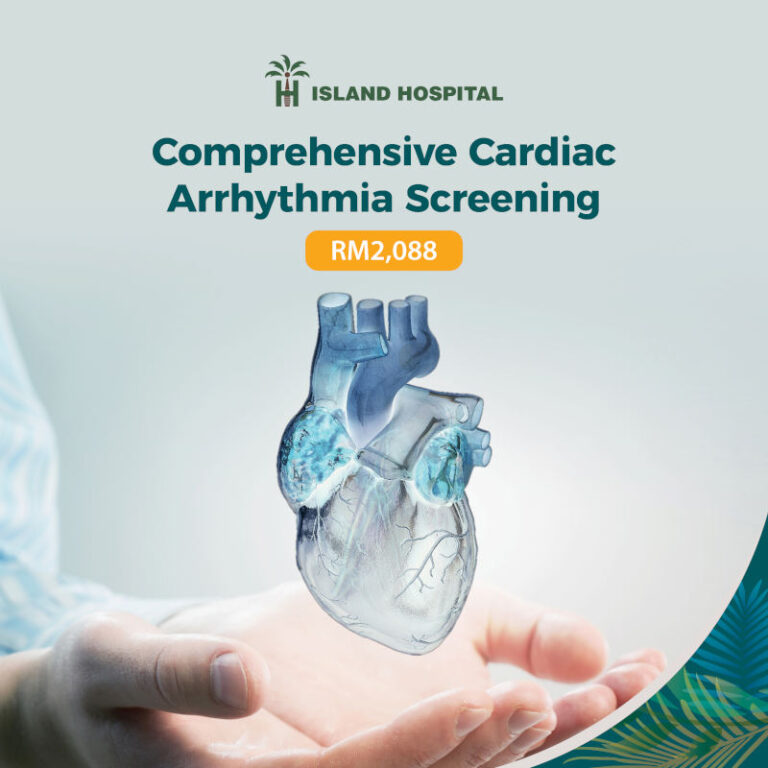
Take the first proactive step toward a stronger heart.
Learn more about our Comprehensive Cardiac Arrhythmia Screening or book a consultation with our cardiovascular team today to begin your journey toward coordinated and compassionate care.