

31 Oct Random Bruising: Causes, Warning Signs, and When You Should Worry
Random Bruising: Causes, Warning Signs, and When You Should Worry
By Island Hospital | 31 October 2026. 10:00:00 AM
Finding a bruise you don’t remember getting can be unsettling. Most bruises are harmless and result from minor bumps that happen during daily activities.
However, bruises that appear frequently, are unusually large, or occur alongside other symptoms can sometimes signal an underlying health issue.
What Is Random Bruising?
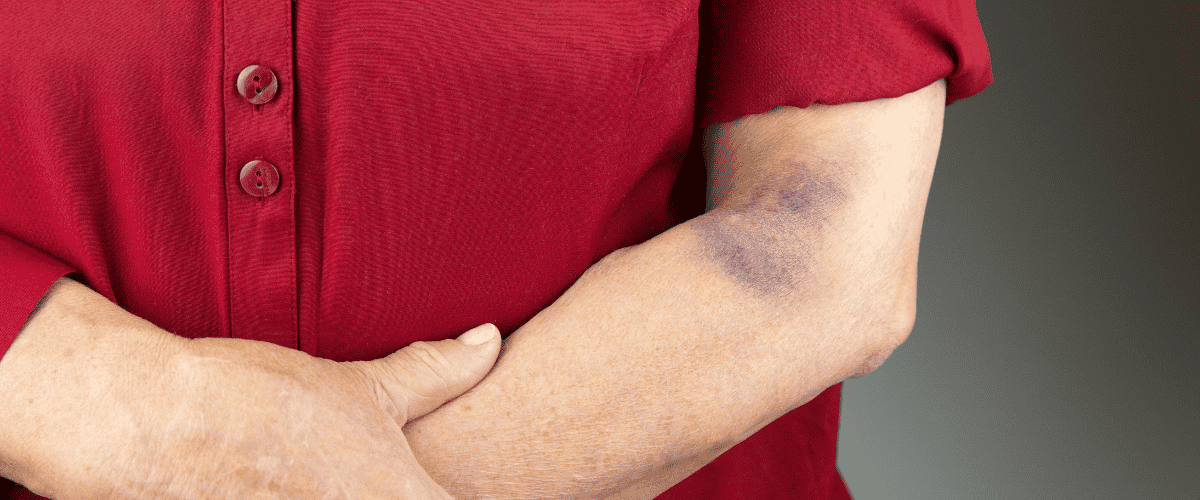
A bruise occurs when small blood vessels under the skin break and leak blood into the surrounding tissue. The trapped blood creates the familiar blue, purple, or black discolouration.
“Random bruising” usually refers to bruises that appear without a clear remembered injury. In many cases, there was a minor bump that went unnoticed. But recurrent unexplained bruising deserves closer attention.
Common Causes of Random Bruising
- Minor Injuries You Don’t Remember
Everyday activities such as carrying groceries, exercising, or bumping into furniture can cause small injuries that later become bruises.
- Ageing and Fragile Blood Vessels
As we age, the skin becomes thinner, and blood vessels become more fragile. Older adults often bruise more easily than younger people.
- Vitamin Deficiencies
Nutritional deficiencies can contribute to easy bruising. These may include low levels of vitamin C, vitamin K, iron, or protein.
- Medications and Supplements
Certain medications increase the likelihood of bruising, including blood thinners, aspirin, corticosteroids, some antidepressants, and supplements such as fish oil or ginkgo.
- Intense Exercise
Strenuous workouts can cause small tears in blood vessels and muscles, leading to bruising even when no direct impact occurred.
Medical Conditions That Can Cause Random Bruising
- Bleeding and Clotting Disorders
Conditions such as von Willebrand disease, haemophilia, or platelet disorders can make bruising more common and more severe.
The liver produces proteins that help blood clot. Liver dysfunction can reduce these clotting factors and increase the risk of bruising.
- Blood Disorders and Leukaemia
Some blood cancers and bone marrow disorders can interfere with normal platelet production, leading to unexplained bruising.
- Autoimmune Conditions
Diseases such as immune thrombocytopenia (ITP) or vasculitis may cause bruising by affecting platelets or blood vessels.
Is Your Bruising Normal or Concerning?
| Situation | Usually Not Serious | Medical Evaluation Recommended |
|---|---|---|
| Single bruise after activity | ✓ | |
| Small bruise that fades normally | ✓ | |
| Frequent unexplained bruises | ✓ |
|
| Large bruises without injury | ✓ |
|
| Bruising with bleeding symptoms | ✓ |
|
| Bruising with fatigue, fever, or weight loss | ✓ |
Random Bruising Plus Other Symptoms: What Could It Mean?
- Bruising and Fatigue
Possible causes include iron deficiency, chronic illness, or blood disorders.
- Bruising and Bleeding Gums
This combination may be associated with vitamin deficiencies or bleeding disorders.
- Bruising and Heavy Menstrual Bleeding
Heavy periods together with easy bruising may suggest a clotting disorder or other medical condition.
- Bruising and Unexplained Weight Loss
This warrants prompt medical evaluation, especially if bruising is new or worsening.
What Does the Location of Your Bruise Mean?
- Random Bruising on the Legs
Leg bruises are common because the legs are frequently exposed to minor trauma. They may also be associated with circulation issues or varicose veins.
- Random Bruising on the Arms
Arm bruising may occur from fragile skin, medication effects, or repeated minor impacts during daily activities.
- Random Bruising on the Abdomen or Back
Bruises in these areas are less common and may deserve medical assessment, especially if they occur repeatedly or without known injury.
Random Bruising in Different Age Groups
- Children
Bruises are common in active children. However, frequent bruising, unusual bruising patterns, or bruising accompanied by bleeding symptoms should be evaluated.
- Adults
Lifestyle factors, exercise, medications, and nutritional issues become more common contributors.
- Older Adults
Age-related skin thinning and medication use often increase susceptibility to bruising.
Warning Signs You Should Never Ignore
- Frequent unexplained bruises
Bruises appearing repeatedly without a clear cause can indicate an underlying problem.
- Large bruises without injury
Bruises that are unusually large or painful deserve medical attention.
- Bleeding gums or frequent nosebleeds
Additional bleeding symptoms, together with bruising, may suggest a clotting issue.
- Persistent fatigue
Ongoing tiredness alongside bruising can be a sign of an underlying medical condition.
- Night sweats or unexplained weight loss
These symptoms warrant prompt medical evaluation, especially if bruising is new or worsening.
- Family history of bleeding disorders
A family history can increase the likelihood of inherited clotting conditions.
When Should You See a Doctor for Random Bruising?
Occasional bruises after minor bumps or injuries are usually harmless and heal on their own. However, frequent, unexplained, or unusually severe bruising may be a sign of an underlying medical condition that requires evaluation.
Seeking medical attention promptly can help identify the cause and ensure that any serious health issues are diagnosed and treated early.
Schedule a medical evaluation if:
- Bruises appear frequently.
- Bruises occur without any remembered injury.
- Bruises are unusually large or painful.
- Symptoms are worsening over time.
- You have additional symptoms such as fatigue, bleeding, fever, or weight loss.
What Will a Doctor Check?
- Medical History
A doctor will ask about your bruising pattern, medications, supplements, diet, and family history.
- Common Tests
These may include a complete blood count (CBC), platelet count, clotting studies, liver function tests, and screening for vitamin deficiencies.
Take Unexplained Bruising Seriously
While occasional bruising is often harmless, frequent or unexplained bruising may sometimes indicate an underlying health condition that requires medical attention.
If you notice recurring bruising, large bruises without injury, or bruising accompanied by symptoms such as fatigue, bleeding, or unexplained weight loss, it is important to seek medical evaluation promptly.
At Island Hospital, our multidisciplinary team provides comprehensive assessment for unexplained bruising, using advanced diagnostic tests to determine the underlying cause. If a blood-related cancer or other oncological condition is suspected, our experienced Oncology Centre works closely with haematology, laboratory medicine, and other specialists to deliver personalised, evidence-based care tailored to your individual needs.
If you are concerned about persistent or unexplained bruising, don’t wait for symptoms to worsen. Book an appointment at Island Hospital for a thorough evaluation and gain peace of mind through expert diagnosis and timely treatment.
FAQs
1. Why am I getting random bruises without remembering an injury?
Random bruising can occur when small blood vessels beneath the skin break due to minor bumps or pressure that you may not notice.
However, frequent unexplained bruising can also be linked to vitamin deficiencies, medications, bleeding disorders, liver disease, or other underlying medical conditions and should be evaluated by a doctor if it occurs regularly.
2. When should I be concerned about unexplained bruising?
You should seek medical advice if you develop frequent bruises without injury, large or painful bruises, bruising accompanied by fatigue, bleeding gums, nosebleeds, unexplained weight loss, or if bruises take an unusually long time to heal.
These may be signs of an underlying health condition.
3. Can medications cause random bruising?
Yes. Certain medications and supplements can increase the risk of bruising by affecting blood clotting or making blood vessels more fragile.
These include blood thinners, aspirin, corticosteroids, some antidepressants, fish oil supplements, and nonsteroidal anti-inflammatory drugs (NSAIDs).
4. Can stress cause random bruising?
Stress itself does not directly cause bruising.
However, chronic stress may contribute to poor nutrition, weakened immune function, or hormonal changes that can indirectly affect the body’s ability to heal and maintain healthy blood vessels.
If bruising is persistent, medical evaluation is recommended to rule out other causes.
5. Can random bruising be a sign of cancer?
In rare cases, unexplained bruising can be associated with blood cancers such as leukaemia or other bone marrow disorders.
Bruising may be accompanied by symptoms such as persistent fatigue, frequent infections, fever, night sweats, or unexplained weight loss. Most bruising is not caused by cancer, but concerning symptoms should be evaluated promptly.