08 Oct 5 Effective Ways to Find Relief From Bladder Pain Syndrome and Improve Your Quality of Life
5 Effective Ways to Find Relief From Bladder Pain Syndrome and Improve Your Quality of Life
By Island Hospital | 8 October 2026. 10:00:00 AM
For years, individuals suffering from chronic pelvic discomfort, agonising pressure, or an unyielding urge to urinate have likely been told the same thing:
Your bladder lining is inflamed.
You are handed a list of forbidden foods, told to track your symptoms in a rigid food diary, and sent on your way with a diagnosis of Interstitial Cystitis (IC) or Bladder Pain Syndrome (BPS).
Yet, for millions of people, cutting out tomatoes and coffee does not stop the painful flare-ups.
True relief lies in recognising that the bladder is often just the victim and not the root cause of your discomfort.
While there may not be a single magic cure, adopting treatments that target these underlying systems can dramatically reduce symptoms, break the chronic cycle of pain, and finally give you your quality of life back.
Let’s dive into these strategies.
What Is Bladder Pain Syndrome?
Bladder Pain Syndrome is a long-term condition that causes pain or discomfort in the bladder area, often accompanied by urinary symptoms. These symptoms occur without any identifiable infection or other obvious underlying cause.
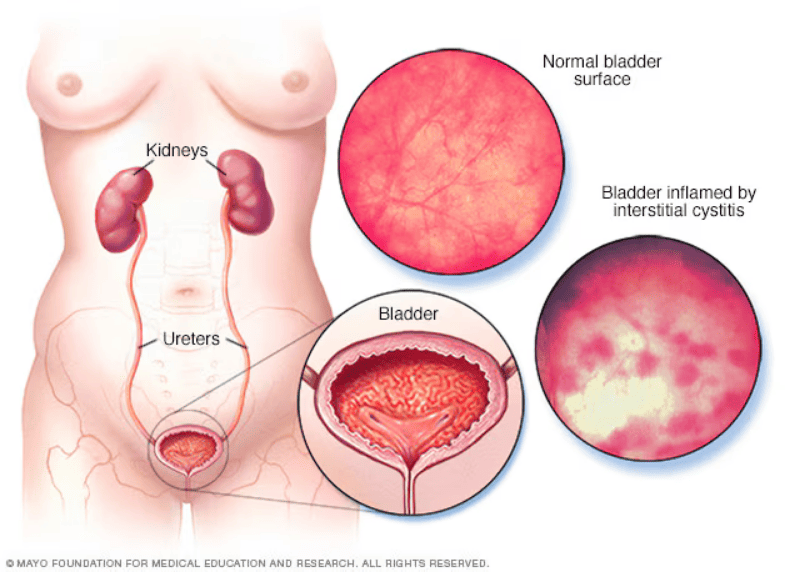
The condition can vary in severity with different individuals. Some people usually experience mild, occasional discomfort, while others may have persistent pain and frequent urinary urgency that affects their daily life.
Bladder Pain Syndrome vs Interstitial Cystitis
Interstitial Cystitis is a term that is often used interchangeably with Bladder Pain Syndrome. In most cases, they refer to the same clinical condition.
However, the terminology can differ depending on context:
- “Interstitial Cystitis”: More commonly used in medical research and older clinical literature
- “Bladder Pain Syndrome”: More widely used in modern clinical guidelines
Today, many healthcare professionals prefer the broader term “Bladder Pain Syndrome” because it better reflects the range of symptoms and the fact that not all patients show visible bladder inflammation.
Symptoms of Bladder Pain Syndrome
Different individuals with BPS may experience varying symptoms. Some may face mild, intermittent discomfort, while others may have severe, persistent pain that affects daily activities and quality of life.
Common symptoms include:
Symptoms may fluctuate over time, with periods of flare-ups and temporary relief.
If you are experiencing ongoing bladder pain or any of the above urinary symptoms, consider speaking with a healthcare professional for a proper evaluation.
Bladder Pain Syndrome Symptoms in Women vs Men
Although symptoms of BPS are generally similar across sexes, some differences in how symptoms present are commonly reported.
| Women may experience | Men may experience |
|---|---|
| Pain that worsens during menstruation | Pain in the bladder, urethra, or sometimes the testicles |
| Discomfort during sexual activity | Symptoms that may be mistaken for prostate-related issues |
These variations can sometimes lead to delays in diagnosis, making it important to consider symptoms in the broader clinical context rather than in isolation.
Causes of Bladder Pain Syndrome
The exact cause is still not fully understood. However, research suggests several contributing factors. These include:
- Damage or dysfunction of the bladder lining
- Increased sensitivity of bladder nerves
- Chronic low-grade inflammation
- Immune system involvement
What Triggers Bladder Pain Syndrome Flare-Ups?
BPS flare-ups vary from individuals, but you may notice that certain foods, lifestyle factors, and hormonal changes can worsen your symptoms or cause more discomfort over time.
| Trigger Category | Common Triggers |
|---|---|
| Food and drinks |
|
| Lifestyle factors |
|
| Hormonal changes |
|
Constantly plotting your day around the nearest restroom? An overactive bladder doesn’t have to rule your life. Discover the common triggers and personalised treatment plans to find lasting relief: Overactive Bladder Treatment: Moving Beyond the Urge.
Bladder Pain Syndrome Diagnosis
BPS cannot be confirmed with a single test. Instead, diagnosis is typically made by carefully ruling out other possible conditions with similar symptoms.
Healthcare professionals may use a combination of the following during your visit:
- Review of medical history and symptom patterns
- Urine tests to exclude infection or other urinary tract issues
- Physical examination
- Cystoscopy in selected cases to examine the bladder lining
- Symptom questionnaires to assess severity and impact
The diagnosis often takes time and involves a process of exclusion because BPS symptoms overlap with other medical conditions.
Therefore, a careful and thorough evaluation is essential to ensure the correct underlying cause is identified.
Treatment Options for Bladder Pain Syndrome
Management and treatment options are usually tailored to each individual, depending on symptom severity and triggers.
Here is a closer look that can help you find lasting relief:
1. Lifestyle and Self-Management
If you have tried every bladder installation, strict elimination diet, and protective supplement on the market and are still suffering, it is time to look outside the bladder.
Many people find symptom relief through simple day-to-day changes, such as:
- Avoiding trigger foods and drinks
- Managing stress and anxiety
- Practising bladder training techniques
- Adjusting sitting habits and activity levels
- Aim for a consistent intake of water throughout the day so your urine remains a pale, neutral straw colour
- If pure water feels irritating, opt for spring waters with a naturally high pH (7.5 to 8.0), or utilise a buffering supplement like calcium glycerophosphate to actively lower the acidity of what you consume
2. Pelvic Floor Physical Therapy
In some cases, tight or dysfunctional pelvic floor muscles can contribute to bladder pain and urinary symptoms. This is where pelvic floor physiotherapy may help you in:
- Releasing muscle tension
- Improving bladder control
- Reducing pain and discomfort
What You Can Do:
Lie on your back on a comfortable surface and pull your knees gently toward your chest (“Happy Baby” pose) or rest in a wide knee “Child’s Pose.”
Place a heating pad over your lower abdomen or lower back to encourage blood flow. Focus entirely on sending your breath all the way down into your pelvis, letting the muscles “drop” on every deep inhale.
Do this for 5 to 15 minutes.
3. Medications
Doctors may also recommend medication to help manage your symptoms, including:
- Pain relief medications
- Antihistamines
- Oral therapies that help support or protect the bladder lining
- Bladder instillation therapy (medication delivered directly into the bladder to reduce irritation and inflammation)
4. Advanced Treatments
For individuals facing more persistent or severe symptoms, specialist treatments may be considered, such as:
- Nerve stimulation therapies
- Other targeted interventions guided by a specialist
5. Practice Somatic Brain Tracking
Acknowledge the physical sensations without sliding into panic or catastrophic thinking. Consciously remind your brain: “My bladder is structurally intact and safe. This pain is an over-reactive, neuroplastic false alarm.”
Reframing the sensation lowers your sympathetic fight-or-flight drive, stopping the brain from dumping more inflammatory chemicals into your pelvis.
Why Traditional Bladder Treatments Often Fail
For a long time, traditional medicine has treated BPS as a simple plumbing problem. Doctors typically focus on the protective lining inside the bladder, believing that if this lining gets weak, acidic urine seeps through and irritates the tissue underneath.
It sounds logical but leaves a massive question unanswered: If the bladder lining is the problem, why do traditional treatments fail so many people?
This narrow focus is exactly why it takes months, or even years, for patients to get a correct diagnosis.
Instead of receiving real answers, they are often given round after round of unnecessary antibiotics for “phantom” Urinary Tract Infections (UTIs) that aren’t actually there.
Even worse, when a doctor looks inside the bladder with a camera (a cystoscopy), they frequently see completely healthy, normal tissue. The physical bladder looks fine, yet the patient is in absolute agony.
If the bladder tissue isn’t actually damaged, why does it hurt so badly?
In this case, BPS is something like a home security system. Your alarm may be blaring in the middle of the night, but doesn’t always mean a burglar is breaking in.
The cause may sometimes be that the alarm system itself is just broken and hyper-sensitive.
Everyday Tips for Living with Bladder Pain Syndrome
In addition to medical treatment, BPS can sometimes be managed more effectively by combining practical daily strategies with medical treatment to help reduce symptom flare-ups:
| Situation | Everyday Tips |
|---|---|
| At Work |
|
| When Travelling |
|
| For Sleep |
|
How Does Bladder Pain Syndrome Affect Emotional Wellbeing?
Living with BPS can be challenging, particularly when symptoms are persistent, unpredictable, or interfere with daily activities. Over time, the condition may affect emotional wellbeing as well as physical health.
Some of the most common challenges include:
- Anxiety about symptom flare-ups or access to bathrooms
- Sleep disruption caused by pain or frequent nighttime urination
- Emotional fatigue from managing ongoing symptoms
- Reduced confidence in social, work, or travel situations
- Feelings of frustration, stress, or isolation
Recognising the emotional impact of BPS is an important part of overall care.
Getting support from healthcare professionals, counsellors, support groups, family, and friends can help you develop coping strategies and improve their quality of life.
Are you experiencing persistent pelvic discomfort, changes in your bathroom habits, or unusual back pain? Learn how to identify early warning signs and when to seek a doctor’s advice in our latest feature: Recognising the Symptoms of Common Urologic Diseases.
When to Seek Medical Help for Bladder Pain
BPS shares many symptoms with other pelvic conditions, making it hard to self-diagnose.
Although occasional mild discomfort might flare up and settle down, you should schedule an evaluation with a specialist if you experience any of the following:
Seeking early intervention from a specialist ensures an accurate diagnosis and keeps BPS from significantly wearing down your physical and emotional well-being over time.
Take Control of Your Bladder Health Today
Living with BPS can be frustrating, especially when symptoms are unpredictable.
However, understanding your triggers, exploring appropriate treatment options, and making small daily adjustments can go a long way toward reducing flare-ups and improving comfort.
With the right support and management plan, many people are able to take control of their symptoms and continue enjoying an active, fulfilling life.
Do not suffer through the cycle of flares in isolation.
Schedule an appointment at your convenience with Island Hospital’s Urology Department. Our team of experienced urologists specialises in complex pelvic pain disorders and will recommend advanced, personalised treatments alongside therapeutic care tips to ensure your long-term well-being is fully taken care of.
For inquiries, appointment scheduling, or concerns about your BPS symptoms, feel free to contact us today!
FAQs
How common is bladder pain syndrome?
BPS can affect both men and women, although it is diagnosed more frequently in women. It may develop at any age, but it is most commonly reported in adults.
The exact prevalence is difficult to determine because symptoms often overlap with other urinary conditions, such as urinary tract infections or overactive bladder. As a result, many cases are underdiagnosed, misdiagnosed, or only identified after a long delay.
This means the condition may be more common than reported figures suggest, as some people live with symptoms for years before receiving an accurate diagnosis.
Why is bladder pain syndrome often misdiagnosed?
Misdiagnosis of BPS is often linked to its symptoms as it closely resembles several other common conditions, making it difficult to identify early.
At times, it can be frequently mistaken for:
- Recurrent urinary tract infections (UTIs)
- Overactive bladder
- Gynaecological conditions such as endometriosis
A key clue that may point towards BPS is the presence of recurring urinary symptoms despite consistently negative urine cultures.
If your symptoms persist, further evaluation is important to rule out other conditions and support an accurate diagnosis.
Why does fluid restriction make BPS worse?
When filling the bladder causes pain, your natural instinct is to stop drinking water. If you don’t put fluid in, the bladder won’t fill, and it won’t hurt right?
This is a dangerous miscalculation. When you restrict fluids, your kidneys produce highly concentrated, dark, and intensely acidic urine.
This highly concentrated waste material acts like rubbing alcohol on an open wound, severely irritating the bladder lining and triggering an immediate, intense flare-up.
Furthermore, chronic fluid restriction shrinks your bladder’s functional capacity over time, making you feel the urge to urinate even sooner.
Can pelvic floor dysfunction contribute to bladder pain?
Yes. In some cases, bladder pain symptoms are linked to pelvic floor muscle dysfunction.
This means the muscles supporting the bladder may become tight or overactive, contributing to:
- Pain
- Urinary urgency
- Pelvic pressure
Pelvic floor therapy can be especially helpful when this is a contributing factor.
How long does a BPS flare typically last?
A flare can last anywhere from a few hours to several weeks. The exact duration depends heavily on your nervous system’s response.
If you meet a flare with panic, hyper-restrictive dieting, and intense physical guarding, you inadvertently prolong the cycle.
Utilising nervous system down-regulation and muscular release techniques can significantly shorten the duration of a flare.