

29 Aug The Common Cancers That Happen to Men and 5 Smart Ways to Reduce Risk and Live Better
The Common Cancers That Happen to Men and 5 Smart Ways to Reduce Risk and Live Better
By Island Hospital | 29 August 2026. 10:00:00 AM
The stats are clear that men are more likely to get cancer and more likely to die from it. Yet, generic public health slogans like “get checked” usually fall on deaf ears.
Why? Because the system disregards the psychology of being a man. From a young age, we are conditioned to push through pain, treating our bodies like old trucks that only get serviced when a wheel falls off.
Men avoid exams not out of laziness, but out of a very real discomfort with the system and a fear of what a diagnosis might mean.
This guide helps you go behind closed doors of the exam room to give you the transparent truth about men’s health.
Why Men Ignore the Health Signs
Before looking at the clinical facts, we need to address the psychological hurdles that stop you from getting checked.
1. The Trap of Vague Symptoms
Early-stage cancers rarely announce themselves with sudden, excruciating pain. Instead, they mimic the annoying but seemingly benign side effects of everyday life.
A nagging backache gets blamed on a bad workout. A change in bowel habits is dismissed as a reaction to spicy food. Chronic fatigue is written off as the natural byproduct of a stressful work week.
Men tend to normalise them as these symptoms fluctuate and build slowly. However, by the time a symptom becomes too painful to ignore, the disease has often progressed from a highly treatable localised issue to a much more complex, advanced stage.
2. Defeating the Stigma of Intimate Exams
Many men avoid the doctor because they dread digital rectal exams (DREs), testicular checks, or colonoscopies.
There is a deeply ingrained social awkwardness and a feeling of vulnerability attached to these procedures.
Overcoming this requires shifting your perspective. To a physician, these exams are entirely clinical, routine, and devoid of social awkwardness as they are the equivalent of a mechanic looking under the hood.
Normalising the reality of these procedures is the first step toward removing the anxiety that keeps men out of the clinic.
The Common Cancers in Men & Their Hidden Timelines
Understanding cancer requires moving past basic bulleted lists. Cancers evolve, and the symptoms change dramatically depending on how far the disease has moved.
1. Prostate Cancer
Prostate cancer is the most common non-skin cancer among men. The most critical piece of information you need to know is that early-stage prostate cancer usually has zero symptoms.
The prostate is a walnut-sized gland surrounding the urethra.
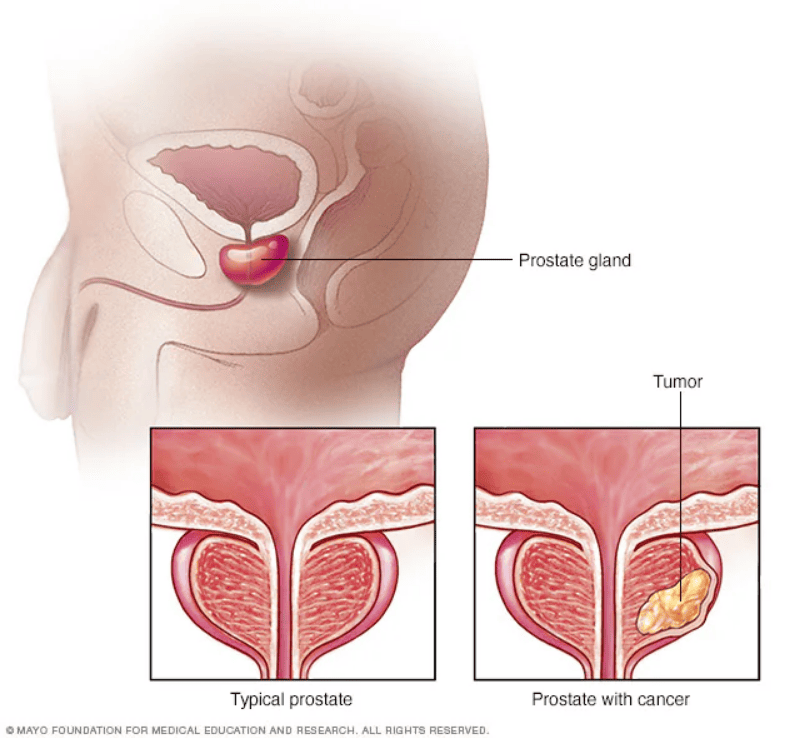
Because most tumors develop on the outer rim (the periphery) of the gland, they do not press on the urinary tract until they become quite large.
| Early Stage / Localised | Advanced / Metastatic |
|---|---|
| Tumor is confined to the outer rim of the prostate. | Tumor spreads to surrounding tissue, lymph nodes, or bones. |
|
|
2. Colorectal Cancer
Colorectal cancer rates are rising rapidly in men under the age of 50 and is no longer considered a disease of older generations.
- The Everyday Shifts
Early signs are frequently misdiagnosed by patients as irritable bowel syndrome (IBS) or hemorrhoids. It is important to watch for these signals such as:
- The Red Flag Emergency
When a colorectal tumor grows large enough, it can cause a partial or complete bowel obstruction. This is a medical emergency.If you experience these symptoms, it is important that you go to the ER immediately:
3. Lung Cancer
While tobacco use remains the leading cause of lung cancer, thousands of men who have never smoked are diagnosed every year due to radon gas, secondhand smoke, or occupational hazards like asbestos and diesel exhaust.
- The 3-Week Rule
Everyone gets a cough during the cold and flu season.
However, any new cough, hoarseness, or wheezing that lasts for more than 21 days without improvement requires a medical evaluation and a chest X-ray regardless of your smoking history. - The Quiet Indicators
Keep an eye out for unexplained, rapid weight loss or localised pain in your chest wall that sharpens or worsens specifically when you breathe deeply, cough, or laugh.
Other Emerging and Regional Cancers
While the above three top cancers in men get the most attention, other highly treatable or rapidly rising malignancies are often overlooked until it’s too late. Here is a breakdown of the list:
1. Head and Neck Cancer
There is a massive, ongoing surge in head and neck cancers, specifically oropharyngeal cancer (the back of the throat and tonsils) that is driven by the Human Papillomavirus (HPV). This virus is incredibly common and transmitted via intimate skin-to-skin contact, including oral sex.
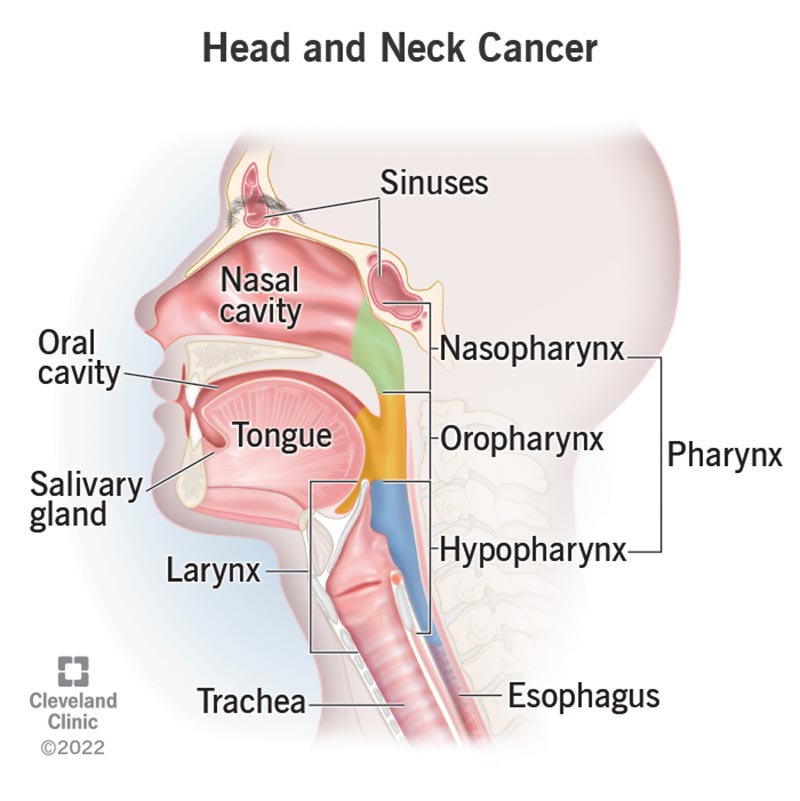
Unlike traditional throat cancers caused by heavy smoking and drinking, HPV-linked throat cancer often strikes younger, otherwise healthy men.
Symptoms include a persistent sore throat, difficulty swallowing, white or red patches on the gums or tongue, or a painless lump on the side of the neck that doesn’t go away after a couple of weeks.
2. Testicular & Penile Cancer
While many men assume cancer is an older man’s game, testicular cancer peaks sharply in young men between the ages of 20 and 45. It is highly curable, but early detection is vital.
This cancer type rarely causes sharp pain but instead manifests as a dull ache in the lower abdomen or groin, causing a sudden feeling of “heaviness” in the scrotum, or a hard, entirely painless lump on the testicle itself.
3. Liver Cancer & Non-Alcoholic Fatty Liver Disease (NAFLD)
Liver cancer is frequently stereotyped as a disease exclusive to severe alcoholism or advanced cirrhosis.
However, with the rise of metabolic health issues, Non-Alcoholic Fatty Liver Disease (now often referred to as MASLD) has become a quiet driver of liver malignancies.
Chronic inflammation from excess fat storage in the liver, or chronic, undetected viral infections like Hepatitis B or C, can scar the liver over decades, significantly elevating cancer risks without the patient ever drinking heavily.
Facing a new health diagnosis brings a wave of questions about what comes next. Learn how another medical perspective can bring clarity to your journey in our guide on Getting a Second Opinion for Cancer Diagnosis: Peace of Mind Before Treatment.
What to Expect During Screening
Fear thrives on the unknown. When you understand exactly what happens during these clinical procedures, the barrier to scheduling them drops significantly.
1. The 10-Second Digital Rectal Exam (DRE)
The anticipation of a DRE is universally worse than the procedure itself.
During a DRE, you will be asked to lean over an exam table or lie on your side with your knees bent. The doctor inserts a lubricated, gloved finger into the rectum.
In this stage, your doctor is physically feeling the back of your prostate gland to check for structural abnormalities such as whether it is smooth and symmetrical, or asymmetrical, abnormally hard, or bumpy.
The entire exam involves a brief feeling of intense pressure, but it takes less than 10 seconds to complete.
2. The PSA Blood Test
The Prostate-Specific Antigen (PSA) test is a simple blood draw that measures a protein produced by the prostate.
You might wonder: If a blood test can screen for cancer, why is there an ongoing debate among medical organisations about who should get it?
The answer lies in understanding the difference between over-diagnosis and over-treatment.
Many prostate tumors are indolent, meaning they grow so incredibly slowly that they would never cause symptoms, harm, or death during a man’s natural lifespan.
However, a high PSA reading can trigger a cascade of anxiety, leading to invasive tissue biopsies, prostate surgeries, or radiation. These treatments carry real risks of life-altering side effects, including permanent erectile dysfunction and urinary incontinence.
When you get a PSA test, your goal shouldn’t be to panic if the numbers are elevated.
Instead, use it to start an informed conversation with your doctor.
Ask:
“If my PSA is elevated, can we utilise advanced imaging like a prostate MRI or a ‘watchful waiting’ surveillance protocol before we jump straight to an invasive biopsy or surgery?”
3. Colonoscopy Prep & Procedure
A colonoscopy is the gold standard for prevention where doctors help you remove precancerous polyps before they ever have the chance to grow.
This effectively stops cancer in its tracks.
- The Preparation
The day before, you’ll stick to a clear liquid diet and use a prescribed drink to gently clear your system.Think of it as a necessary “system reset” to ensure your doctor has a clear view. While you’ll be spending quality time in your bathroom, it is a small trade-off for a decade of peace of mind. - The Procedure
On the day of the exam, the experience is surprisingly easy. You are given a mild sedative that allows you to drift off into a comfortable, 30-minute nap.There is no pain, no breathing tubes, and no memory of the process. Most patients wake up feeling well-rested and are back to their normal routine the very next day - The Long-Term Payoff
Because the technology is so advanced, if your results are clear, you typically won’t need to do it again for another 10 years.
While medical awareness is vital, the first step toward proactive health is addressing the internal barriers that cause us to procrastinate.
Whether it’s social awkwardness or a fear of the unknown, moving past those hurdles is what saves lives.
Customised Screening Timelines & High-Risk Ancestry
Medical guidelines are population averages, but your body isn’t an average. Your screening timeline needs to adjust based on who you are and where your family comes from.
1. Average Risk Timeline (Ages 45+)
For men with no known genetic mutations and no direct family history of early cancer:
- Age 45: Begin regular colorectal cancer screenings (via colonoscopy or reliable at-home stool DNA tests). Begin discussing the pros and cons of PSA screening with your primary physician.
- Age 50: Annual or biennial lung cancer screenings (low-dose CT scans) are recommended for men aged 50 to 80 who have a 20 pack-year smoking history and currently smoke or have quit within the past 15 years.
High-Risk Timelines (Genetics and Family History)
- The Genetic Factor
The BRCA1 and BRCA2 genes are famously known as the “breast cancer genes,” but men inherit them too. If your mother, sister, or aunt had breast or ovarian cancer, or if your father had early prostate cancer, you may carry a BRCA mutation. This genetic marker drastically increases a man’s risk for aggressive prostate, pancreatic, and male breast cancer, necessitating highly customised, early-onset screening schedules.
Lifestyle Shifts to Prevent Cancers in Men
You cannot control your inherited DNA, but what you can control is the cellular environment your DNA lives in. Here’s a breakdown of what you can do to stay healthy:
1. Dietary Upgrades
When it comes to cancer, focus on specific biological mechanisms:
- Avoid Processed Meat
The World Health Organisation classifies processed meats (bacon, sausage, hot dogs, deli cold cuts) as Group 1 carcinogens. The chemical preservatives (nitrites) and high-heat processing create compounds that directly damage the mucosal lining of the colon. Swapping processed meats for whole proteins is one of the most direct ways to slash colorectal risks. - Importance of Lycopene
Lycopene is a potent antioxidant found in high concentrations in cooked tomatoes, watermelon, and pink grapefruit. Clinical studies consistently demonstrate that a diet rich in bioavailable lycopene accumulates preferentially in prostate tissue, offering a structural protective barrier against cellular oxidation and tumor growth. - Limit Your Drink
If you consume alcohol, moderation is the only winning strategy. While the occasional drink is a social norm, high alcohol intake serves as a significant biological stressor.- The Acetaldehyde Factor
When the liver breaks down alcohol, it produces a toxic byproduct called acetaldehyde. This compound is a known carcinogen that can damage DNA and prevent the body from repairing the damage. - Nutrient Absorption
Alcohol can impair the body’s ability to absorb essential vitamins (like folate) that act as protective shields against cell damage.
By sticking to a “one-drink” limit, you allow your liver and digestive tract to process the toxins efficiently without overwhelming your body’s natural repair mechanisms.
- The Acetaldehyde Factor
2. Prioritising Skin Safety When Outdoors
There is a dangerous cultural myth among men who work trades, construction, or play outdoor sports that a “base tan” protects them from the sun, or that naturally darker skin complexions immune them to melanoma.
Melanoma is highly aggressive and doesn’t care about a tan
UV radiation creates micro-tears in skin cell DNA. Keep a bottle of broad-spectrum SPF 30+ sunscreen in your truck or gym bag.
Focus heavily on frequently missed, highly exposed male skin zones: the tops of the ears, the back of the neck, and bald spots or thinning hairlines on the scalp.
3. Building Your Biological Resilience
Aim for at least 150 minutes of moderate activity per week. It’s a mistake to view exercise solely through the lens of weight loss as its true value lies in its role being a powerful metabolic regulator.
- Hormonal Balance
Physical activity helps manage insulin levels and reduces the amount of circulating growth factors that, in excess, can signal cancer cells to divide. For men, consistent exercise also supports healthy testosterone-to-estrogen ratios, which is vital for long-term prostate health. - Preventing Inflammation
Chronic inflammation is like a low-grade fire that eventually damages your DNA. Exercise triggers the release of anti-inflammatory proteins that act as a “fire suppressant,” protecting your cells from the mutations that lead to malignancy.
4. Having Good Environmental Awareness
Be mindful of your surroundings. Your body is a biological filter. The cleaner the “intake,” the less strain you put on your internal systems.
- Occupational Protection
If your work involves chemicals, diesel exhaust, or fine dust, your lungs and skin are on the front lines. Using recommended PPE like respirators or skin barriers helps you prevent microscopic toxins from embedding in your tissue where they can cause silent, long-term damage. - The Radon Threat
Radon is a colorless, odorless radioactive gas that can seep into homes through foundation cracks. Since it is the leading cause of lung cancer among non-smokers, a simple basement test is a high-leverage move. It’s the residential equivalent of checking for a carbon monoxide leak.
5. Perform Regular Testicular Self-Exams at Home
Every man between the ages of 15 and 50 should perform a self-exam once a month. The best time to do it is right at the end of a warm shower, when the heat has relaxed the scrotal skin.
- Isolate: Hold one testicle at a time between your thumbs and fingers of both hands.
- Roll: Gently roll the testicle between your fingers. It should feel smooth, oval, and relatively firm, similar to a hard-boiled egg without the shell.
- Identify Anatomy: Locate the epididymis (the soft, cord-like structure at the back of the testicle that stores sperm). Do not mistake this normal anatomy for a tumor. Look specifically for any new, hard lumps, changes in overall size, or a sudden asymmetry between the two sides.
Stay ahead of your health with the right screenings. Find out what tests you need and when to get them in our guide: The Definitive Checklist: Men’s Health Screenings You Can’t Ignore.
Health Awareness is Empowerment
Cancer thrives on silence, hesitation, and avoidance. It leverages a man’s tendency to delay care against him.
But early detection fundamentally changes the rules of the game by turning what could be a life-threatening crisis into a highly treatable, manageable health event.
Island Hospital provides a multidisciplinary team of oncologists, radiologists, and men’s health specialists dedicated to supporting you through every stage of prevention and treatment. We believe that protecting your health means treating the whole person, not just the symptoms.
Island Hospital also offers a Multi-Cancer Early Detection Test that can identify signals for multiple types of cancer from a single blood draw.
FAQs
If my PSA score is high, does that mean I have cancer?
Not necessarily. A high Prostate-Specific Antigen (PSA) score is a “check engine” light, not a definitive diagnosis.
It can be triggered by several benign factors, such as an enlarged prostate (BPH), a minor urinary tract infection, or even recent vigorous exercise or sexual activity.
An elevated PSA simply means it’s time for a closer look and a follow-up conversation with your doctor to rule out other causes.
Which cancers have the highest survival rates, and what makes them so treatable?
Testicular, Prostate, and Skin cancers (Melanoma) are the “success leaders” in men’s health, with localised survival rates near 99–100%.
Their high treatability comes down to three different biological advantages:
- Responsiveness (Testicular)
Testicular cancer is unique because its cells are incredibly sensitive to chemotherapy and radiation. Even if it has begun to spread, it remains one of the few solid tumors that can still be eliminated entirely. - The “Slow Burn” (Prostate)
Most prostate tumors grow so slowly that they may never become life-threatening. Doctors can often “starve” the cancer of testosterone or simply monitor it closely, effectively managing the risk for decades. - Visibility (Melanoma)
Because skin cancer is visible to the naked eye, it is one of the only malignancies you can spot yourself. Curing it is often as simple as a minor outpatient procedure if it hasn’t yet reached the bloodstream.
Does “curable” mean the same thing regardless of when the cancer is found?
No. “Curability” is almost entirely dependent on the stage at diagnosis.
Medicine has become incredibly good at treating cancer that is localised (contained where it started), but the odds shift dramatically once a disease metastasises (spreads to distant organs).
As the table below shows, the “cure” is a race against time. Your goal is to catch it while the survival rates are still in the high 90s:
| Cancer Type | Caught Early (Localised) | Caught Late (Metastasised) |
|---|---|---|
| Prostate | >99% | ~32% |
| Melanoma | >99% | ~35% |
| Testicular | ~ 99% | ~73% |
At what age should a man start getting checked for cancer?
For a man of average risk, colorectal and prostate cancer screenings typically begin at age 45.
However, if you have a family history of cancer, your screening timeline should begin earlier, typically at age 40. Testicular self-exams should be performed monthly from age 15 through 50.
Can I skip the DRE (physical exam) if my PSA blood test is normal?
It is not recommended. While the PSA test is excellent, about 15% of men with a “normal” PSA score are found to have prostate cancer upon a physical exam.
Some aggressive cancers don’t produce much PSA protein but can be felt as a hard nodule by a doctor’s finger. Doing both tests together provides the most accurate picture.