

29 Jul 4 Unexpected Triggers of Urinary Incontinence & Proven Restoration Steps
4 Unexpected Triggers of Urinary Incontinence & Proven Restoration Steps
By Island Hospital | 29 July 2026. 10:00:00 AM
For a long time, the conversation around bladder leakage has felt like a choice between two extremes: clinical jargon that feels cold and detached, or “hush-hush” jokes about bulky diapers.
Neither of those captures the reality of what it’s like to face your day while constantly scanning for the nearest restroom or wondering if a laugh or a sneeze will lead to an incident.
The truth is, bladder leakage isn’t a failure of your body but a signal.
Whether you are an elite athlete, a new parent, or simply moving through a new season of life, your bladder is a complex system of muscles and nerves that sometimes needs a recalibration.
In this guide, we’re here to provide a modern, proactive toolkit designed to help you reclaim your movement, your spontaneity, and your dignity.
What is Urinary Incontinence?
Urinary incontinence is the accidental or involuntary loss of urine. It is not a disease, but a symptom that the muscles and nerves responsible for bladder control are not functioning correctly.
To manage urine, these four key body parts must work together:
- The Bladder: A muscular sac that stores urine.
- The Sphincter: A valve that stays contracted to prevent leaks.
- The Pelvic Floor: Muscles that support the bladder and urethra.
- The Nerves: The signaling system between the brain and the bladder.
Urinary incontinence occurs when this coordination is disrupted, usually by physical pressure, muscle weakness, or nerve signal errors.
The Common Types
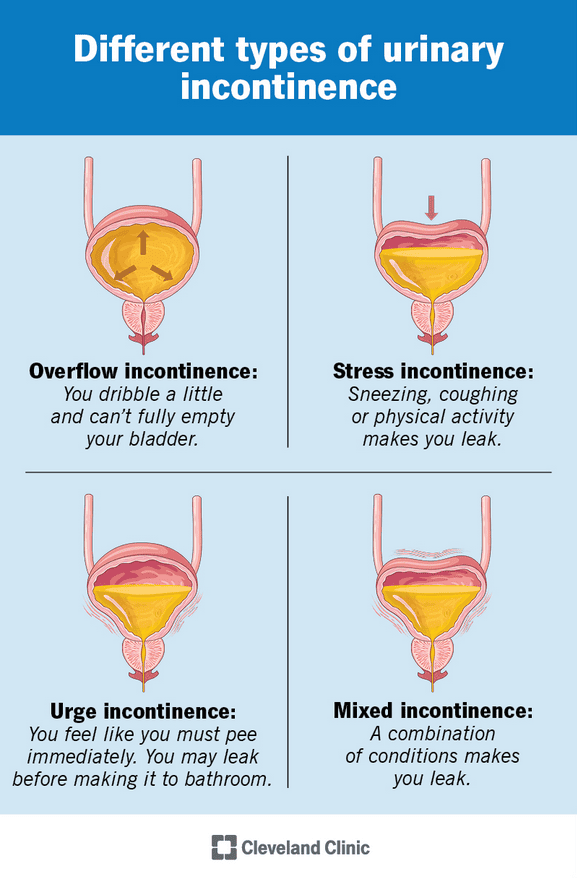
Urinary incontinence usually falls into one of these four categories:
| Type | What it feels like | Common trigger |
|---|---|---|
| Stress Incontinence | Pressure on the bladder overpowers the "valve" muscles. | Sneezing, laughing, jumping, or lifting. |
| Urge Incontinence | A sudden, intense need to go, often followed by an involuntary leak. | Often called "Overactive Bladder." |
| Overflow Incontinence | The bladder doesn't empty fully, leading to constant "dribbling." | Blockages or weak bladder muscles. |
| Mixed Incontinence | A combination of both Stress and Urge symptoms. | Common in post-partum or aging. |
When to See A Doctor
Knowing when to transition from “managing it at home” to “seeking professional help” is a key part of taking control.
While many people wait years to speak up, the best time to see a healthcare provider (whether a GP, urologist, or pelvic floor physical therapist) is as soon as the symptoms begin to change your behavior:
1. The “Quality of Life” Check
If you find yourself doing any of the following, it is time to consult a professional:
2. Clinical Red Flags
You should seek medical advice promptly if you experience leakage along with any of the following:
3. Safety Concerns
- Fall Risks
If you are rushing to the bathroom so quickly that you feel at risk of tripping or falling (especially common for older adults). - Skin Irritation
If frequent moisture is causing persistent rashes or skin breakdowns that home creams aren’t fixing.
How to Prepare for the Visit
To get the most out of your appointment, try to track your “Leak Profile” for 48 hours beforehand. Note on the following:
- What you drank (and how much).
- When the leaks happened (e.g. while sneezing or walking to the door).
- The volume (e.g. was it a few drops or a full soak).
Nutritional Support for Bladder Health
Rather than focusing solely on restriction, look at how specific nutrients improve bladder function. Managing “triggers” is important, but supporting the physical system is more sustainable.
- Magnesium for Muscle Regulation
Magnesium is essential for proper muscle relaxation. Since the bladder is a muscular organ, ensuring adequate intake can help reduce involuntary spasms.
Key sources: Pumpkin seeds, almonds, and leafy greens. - Strategic Hydration
It is a common misconception that drinking less prevents leaks. In reality, dehydrated urine is highly concentrated, which irritates the bladder lining and increases the “urge” sensation.Focus on consistent sipping throughout the day to keep urine diluted and your bladder calm. - Fiber to Reduce Pelvic Pressure
Chronic constipation is a significant contributor to incontinence. A full bowel occupies space in the pelvic cavity and puts direct, physical pressure on the bladder.Maintaining a high-fiber diet with oats, beans, and lentils ensures regular bowel movements and reduces this unnecessary strain.
Noticing blood in your urine can be alarming, but it is your body’s way of requesting attention. A professional evaluation ensures you receive a precise diagnosis using the latest diagnostic imaging. Learn more in our guide: Understanding Blood in Urine (Hematuria).
Treatment for Urinary Incontinence
Modern medicine approaches urinary incontinence as a highly treatable functional issue rather than a permanent condition.
Solutions are typically categorised by their “level of intervention,” starting with the most conservative lifestyle shifts and moving toward advanced medical procedures.
1. First-Line Behavioral Strategies
Before moving to medication or surgery, most specialists recommend retraining the bladder-brain connection.
- Bladder Retraining
This involves scheduled voiding which is using the restroom at set intervals (e.g., every hour) and gradually increasing the time between visits to increase bladder capacity. - Fluid & Trigger Management
Identifying personal “bladder irritants” like caffeine, alcohol, or carbonation and adjusting hydration habits (consistent sipping vs. large volumes) to reduce sudden urgency. - Weight Management
Reducing excess abdominal weight can significantly decrease the physical pressure placed on the bladder and pelvic floor.
2. Specialised Pelvic Health Therapy
Research consistently shows that guided physical therapy is one of the most effective non-invasive treatments, with success rates often reaching 70–80%.
- Directed Strengthening
A therapist ensures you are correctly isolating the pelvic floor (avoiding breath-holding or “bearing down”). - Biofeedback & Stimulation
Using sensors or mild electrical currents to help “re-awaken” weak muscles or calm overactive ones. - Manual Therapy
Addressing internal muscle tension or scar tissue that may be contributing to poor bladder coordination.
Active Management
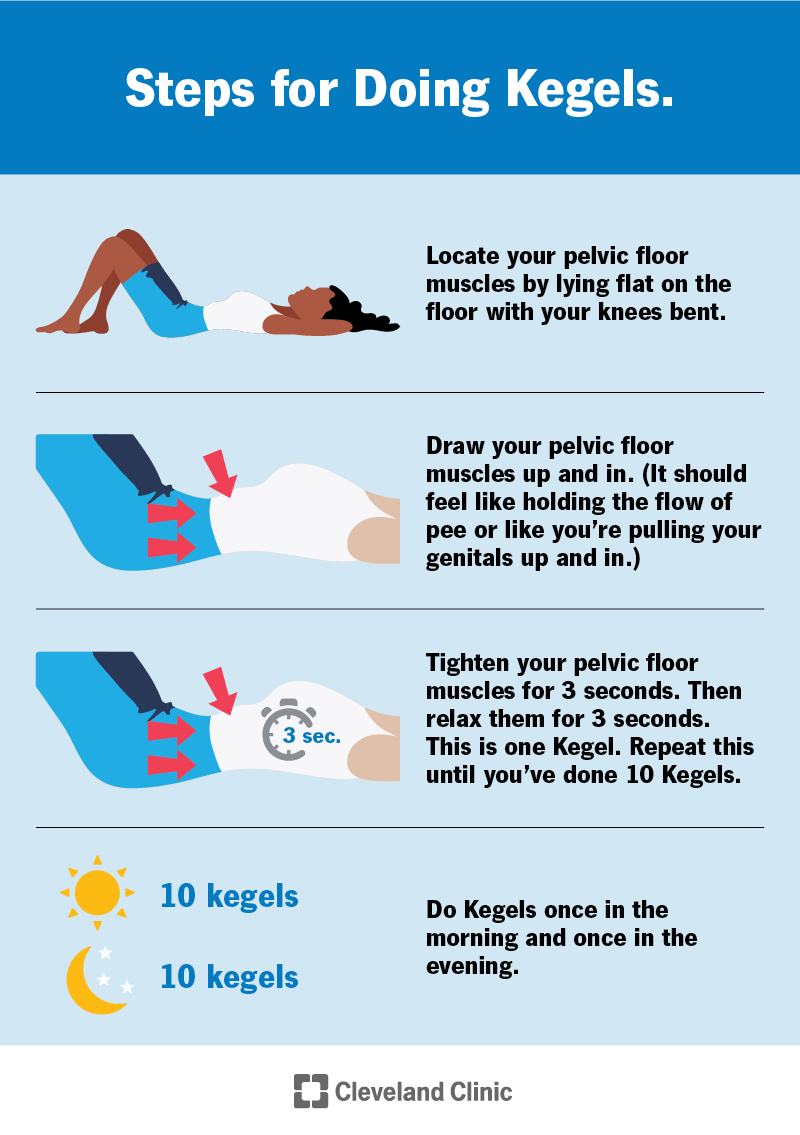
While many are familiar with basic pelvic floor exercises, true control comes from how those muscles coordinate with your movement and breathing.
- Functional Bracing
This is a well-timed, proactive contraction used to counter sudden spikes in abdominal pressure.
Instead of high-repetition exercises, perform one intentional “lift” of the pelvic floor immediately before you cough, sneeze, or lift an object. This “pre-braces” the system and maintains the seal of the urethra.
- The Piston Effect
Your diaphragm and pelvic floor function like a synchronised piston system. When you inhale, both move downward; when you exhale, both lift.Holding your breath during exertion (like standing up or lifting) creates internal pressure that pushes down on the bladder. To protect your pelvic floor, practice exhaling on the effort to allow the muscles to lift naturally and manage the load.
3. Medical & Pharmacological Interventions
If behavioral changes aren’t enough, your doctor may prescribe targeted treatments to manage muscle behavior.
- Urge-Relief Medications
Drugs like Anticholinergics (e.g., oxybutynin) or Beta-3 agonists (e.g., mirabegron) help relax the bladder muscle to prevent the “spasms” that cause urgency. - Topical Estrogen
For postmenopausal women, low-dose vaginal estrogen can help restore the health of the tissues surrounding the urethra, improving the “seal.” - In-Office Injections
Botox can be injected directly into the bladder muscle to calm severe overactivity, while bulking agents can be injected around the urethra to help it stay closed under pressure.
4. Advanced & Surgical Solutions
For persistent stress incontinence or cases where other treatments haven’t provided relief, modern surgical options offer high long-term success.
- Sling Procedures
The “gold standard” for stress incontinence. A small strip of mesh or your own tissue is placed under the urethra to act like a hammock, providing support during coughing or movement. - Neuromodulation
Devices (similar to a pacemaker) can be implanted to send gentle electrical pulses to the sacral nerves, regulating the signals between the brain and the bladder. - Supportive Devices (Non-Surgical)
For women, a pessary is a removable silicone insert that provides internal support to the bladder neck; for men, external compression devices or internal urethral inserts can manage specific activity-related leaks.
Success Rates by Treatment
| Treatment Type | Estimated Success/Cure Rate | What It’s Best For |
|---|---|---|
| Sling Surgery | 90% - 95% | Stress Incontinence |
| Pelvic Floor PT | 60% - 80% (improvement/cure) | Pregnancy, Stress, & Urge |
| Bladder Retraining | 50% - 75% (reduction) | Overactive Bladder |
| Medications | 40% - 60% (symptom control) | Urge Incontinence |
Managing Urinary Incontinence Through Modern Solutions
Managing leakage no longer requires bulky or audible products. Recent innovations in material science and digital health have made discretion and skin protection more accessible.
- Absorbent Apparel (Tech-Wear)
Modern leak-proof underwear utilises multi-layer, moisture-wicking textiles that neutralise odor and provide high-capacity absorption without the profile of traditional disposables.
These are designed to look and feel like standard cotton or performance athletic wear, providing a psychological shift from “medical supplies” to “wardrobe essentials. - Digital Biofeedback
Technology now allows for more precise home care. Wearable pelvic floor trainers can sync with mobile apps to provide real-time data, ensuring you are engaging the correct muscle groups and tracking your progress over time.This removes the guesswork from rehabilitation. - Dermatological Care
Maintaining skin integrity is critical for long-term comfort. Chronic exposure to moisture can disrupt the skin’s natural barrier, leading to irritation or Incontinence-Associated Dermatitis (IAD).
Prioritise breathable, moisture-wicking fabrics and use pH-balanced barrier creams to shield the skin from irritation and maintain a healthy moisture balance.
Supporting Your Loved One
Helping a parent or partner navigate bladder changes requires a shift in both language and perspective. The goal is to move the focus away from the “condition” and toward the lifestyle freedom that modern management provides.
1. Refine Your Vocabulary
Language shapes perception. Avoid terms with “childlike” connotations, such as “diapers” or “accidents.”
Instead, use professional and neutral terms like “protective underwear,” “absorbent briefs,” or simply “the new liners.” Referring to a leak as an “incident” or a “timing issue” can also lower the emotional stakes.
2. Pivot to “Access” rather than “Protection”
Frame the use of products as a tool for independence.
Instead of focusing on the risk of a leak, highlight the activities the products make possible such as attending a movie, visiting family, or enjoying a long walk without the constant anxiety of locating a restroom.
3. Normalise the Transition
Remind your loved one that this is a functional adjustment, similar to wearing glasses for vision or using a brace for a weak knee.
Approaching the conversation as a collaborative “equipment upgrade” rather than a loss of control helps maintain their sense of self.
Ready to stop “toilet mapping” and start living? Leverage modern technology and expert pelvic floor support to regain your quality of life. Get the facts in our latest guide: Effective Overactive Bladder Solutions.
Reclaim Your Confidence and Control
Bladder health challenges represent a significant shift in your daily routine but they do not have to define your lifestyle. With the right medical partners and a proactive management plan, you can navigate this transition with confidence and poise.
Island Hospital provides a multidisciplinary team of urologists, urogynaecologists, and specialised therapists dedicated to supporting you through every stage of your journey.
We believe that true care means treating the whole person, ensuring you can return to the activities, social gatherings, and fitness routines you love without fear or hesitation.
Early intervention and a clear roadmap are your greatest allies. Better outcomes start with a precise understanding of your health and the removal of the stigma surrounding it.
Book a consultation with our urology team today and take a proactive step toward a coordinated, compassionate, and life-changing care plan.
FAQs
At what age is incontinence common?
While urinary incontinence is often associated with aging, it is not an inevitable part of getting older and can affect people at many different life stages.
Generally, prevalence increases with age, but the “common” age range differs significantly between men and women due to biological factors.
In Women
Incontinence is statistically more common in women and often follows a “bimodal” pattern (two peaks):
- Ages 30–50: Stress incontinence (leaking during a sneeze or exercise) is very common in this group, often linked to the physical impact of pregnancy and childbirth.
- Age 50+: Prevalence rises sharply during and after menopause due to declining estrogen levels, which can weaken pelvic and urethral tissues.
- Age 65+: Up to 75% of women over 65 report some degree of urine leakage, as muscle mass naturally declines and bladder elasticity decreases.
In Men
Incontinence is less common in younger men and typically follows a more linear increase with age:
- Before Age 50: Prevalence is quite low (estimated at less than 5%).
- Age 60+: It becomes more common as prostate issues arise. An enlarged prostate (BPH) can block the urethra or irritate the bladder, leading to urge or overflow incontinence.
- Age 70+: Rates increase significantly, often tied to post-prostate surgery recovery or neurological conditions like Parkinson’s or stroke.
Why is urinary incontinence linked with age?
As we age, several physiological changes make incontinence more likely:
- Reduced Bladder Capacity: The bladder becomes less elastic and can’t hold as much urine.
- Muscle Weakness: The pelvic floor muscles that support the bladder naturally lose strength over time.
- Medical Conditions: Conditions like diabetes, dementia, and limited mobility, which are more prevalent in older age, make it harder to manage or reach the bathroom in time.
Can urinary incontinence be cured completely?
The short answer is yes, urinary incontinence can often be completely cured, but the cure depends heavily on the type you have and its underlying cause.
Medical professionals generally distinguish between temporary incontinence (which is almost always curable) and chronic incontinence (which may require ongoing management or surgery to resolve).
1. When it is Completely Curable
If your incontinence is caused by a temporary physical state or a specific anatomical weakness, it can often be fully reversed:
- Pregnancy & Childbirth
Many women find that with dedicated pelvic floor physical therapy (PFPT), their symptoms disappear entirely within a few months postpartum. - UTIs or Constipation
Once the infection is treated or the pressure from the bowels is relieved, bladder control usually returns to 100% of its previous function. - Stress Incontinence (SUI)
Surgical options like urethral slings have a success rate of about 90–95%. For many, this effectively “cures” the leakage caused by coughing or jumping. - Lifestyle-Induced
In some cases, losing weight (which reduces pressure on the pelvic floor) or eliminating bladder irritants (like caffeine or nicotine) can stop leakage entirely.
2. When it is Managed Rather than Cured
Some types of incontinence are more persistent and are considered “managed” because while symptoms may stop, the underlying tendency remains:
- Overactive Bladder (Urge Incontinence)
While medications, Botox injections, or nerve stimulation can reduce accidents by 50–80%, patients may need periodic treatments to maintain those results. - Chronic Conditions
Incontinence resulting from nerve damage (like from diabetes, MS, or a stroke) is harder to “cure” because the communication between the brain and bladder has been permanently altered.
In these cases, the goal is containment and control rather than a total reversal.
What foods worsen urinary incontinence?
While everyone’s bladder is different, certain foods and drinks act as bladder irritants. They can irritate the bladder lining or act as diuretics, which increases the frequency and urgency of your need to go.
Here are the most common culprits that can worsen urinary incontinence:
| Trigger | Effect on Bladder | Alternatives |
|---|---|---|
| Coffee or tea | Diuretic & stimulant | Herbal tea or Rooibos |
| Alcohol | Scrambles brain signals | Infused flat water |
| Soda or seltzer | Bubbles irritate lining | Still water with mint |
| Citrus or tomato | High acid creates more urgency | Pears or bananas |
| Spicy food | Irritates bladder walls | Fresh herbs & ginger |
| Diet sugars | Chemical stimulants | Honey or maple syrup |
| Chocolate | Contains caffeine | White chocolate or Carob |
How many times should a 70 year old pee at night?
For a 60-year-old, waking up once during the night to urinate is considered normal.
However, the normal range shifts slightly depending on overall health and lifestyle. Here is a breakdown of what is typical versus what might be a signal to check in with a doctor:
| Frequency | Status | Context |
|---|---|---|
| 0–1 time | Normal | Typical for most healthy adults in their 60s |
| 2 times | Common | Often due to age-related bladder capacity or lifestyle habits |
| 3+ times | High | May indicate an underlying issue like BPH, diabetes, or sleep apnea |