13 May When Is Knee Replacement Necessary? Expert Advice from Island Hospital
When Is Knee Replacement Necessary? Expert Advice from Island Hospital
By Island Hospital | May 13, 2026 2:24:12 PM
If the simple act of getting out of bed in the morning, climbing a few flights of stairs or going on a brisk walk brings you instant knee pain, you might be concerned and you also may feel like it is just a sign that you are “getting older.”
But chronic knee pain is not normal, and it is not necessarily a sign of getting older.
A total knee replacement could be the saving grace if you are experiencing severe pain, as well as trouble with range of motion, function and stability.
But how do you know if the procedure is right for you, and what can you expect? This article will be your guide in providing you the right understanding on whether you will need a knee replacement.
What Are The Warning Signs & Symptoms of Knee Arthritis?
Knee arthritis is a progressive disease leading to joint pain, stiffness, limitation of activity, and a decrease in the quality of life.
If you experience severe knee pain both during activity and at rest and decreased range of motion and stiffness that doesn’t go away after non-surgical treatment, you may be a candidate for knee replacement surgery.
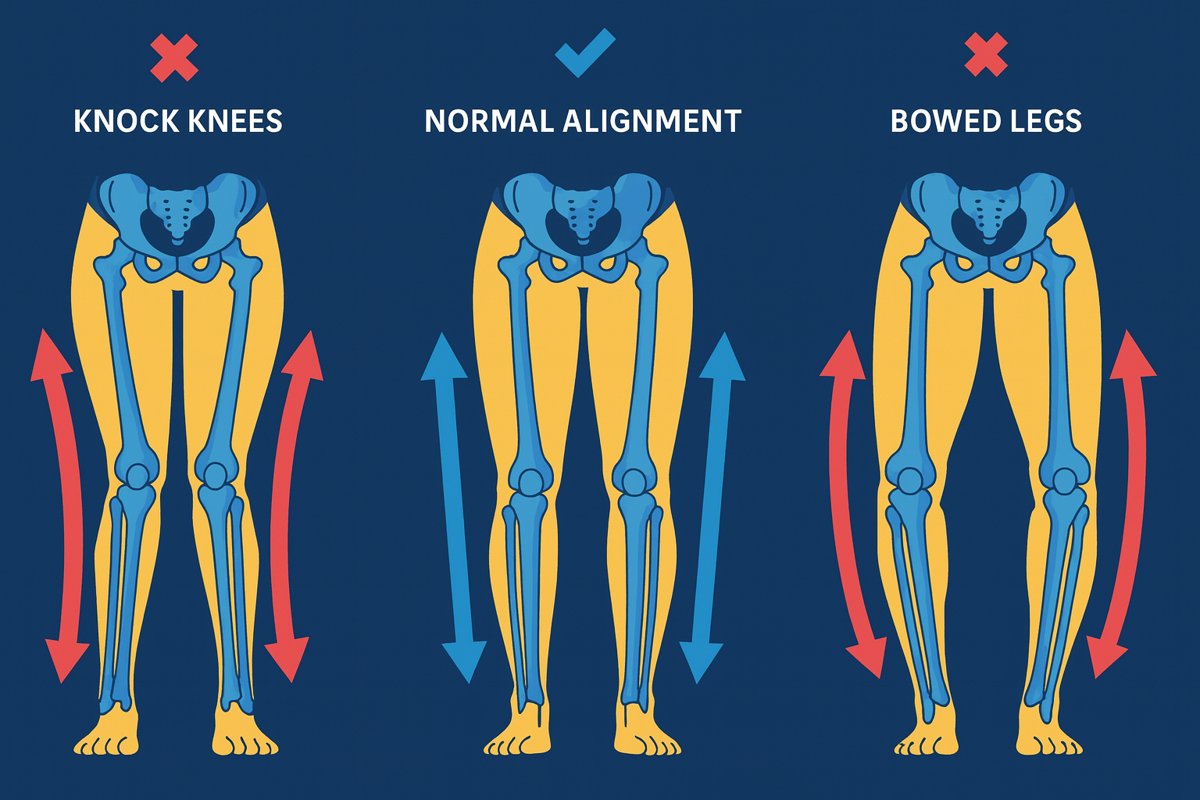
You may also notice visible signs of a failing knee, including a bulge or inward bow.
Some symptoms include:
- Knee pain and swelling begin to occur after physical activity.These symptoms gradually increase and eventually are present even at rest.
- In severe cases patients may have pain at night, as well as during the day.
- Motion in the joint decreases, and straightening and bending the knee becomes severely limited.
- Arthritis can cause “crepitus”, which is a grinding noise in the knee during motion.
- Other symptoms also include an inability to walk for long distances, difficulty rising from a chair, climbing stairs, and eventually, difficulty with routine activities.
If you are experiencing consistent pain in your daily activities, you should be evaluated by an orthopaedic specialist.
Do I Need A Knee Replacement?
If your arthritis is not responding to any of the alternative treatments, or if they are impractical for you, you may consider undergoing knee replacement surgery.
You may need a knee replacement if your knee gives you pain, stiffness, instability or loss of function that affects your daily life and activities.
Knee replacements are most commonly recommended for osteoarthritis, but sometimes for rheumatoid arthritis or other inflammatory joint diseases.
Some patients are willing to wait until their knee problem becomes severe before undergoing a knee replacement, while other patients are more willing to have the surgery completed so they can return to sports and daily activities.
A handful of younger patients may benefit from a partial knee replacement at an early age to relieve pain knowing they may need a total knee replacement in the future.
In this case, your orthopaedic surgeon will help you determine the best timing to maximise your quality of life.
Conditions That Can Be Treated With Knee Replacement
Not everyone with knee pain needs a knee replacement.
But if your pain prevents you from doing everyday tasks or walking independently, knee replacement may be an option if you face the following conditions:
- Ligament damage or infection that leads to severe osteoarthritis
- Rheumatoid arthritis
- Haemophilia
- Crystal deposition diseases such as gout
- Avascular necrosis – death of bone following loss of blood supply
- Bone dysplasias – disorders of the growth of bone.
- Severe osteoarthritis
- Individuals whose cartilage is too worn or with malalignment (incorrect or imperfect alignment)
Nine out of 10 patients who have knee replacement surgery experience less pain and greater mobility.
You will need to have regular check-ups for the life-span of your artificial knee and ongoing rehabilitation such as physiotherapy and special exercises.
In most cases, the prosthesis can be expected to last around 10 years or so, but excessive wear and tear can reduce its life span.
Maintaining a healthy weight is vital because excess body mass can accelerate the wear and tear on your prosthesis, potentially shortening its lifespan.
It is also helpful to keep realistic expectations that while a knee replacement significantly improves quality of life, it may not fully replicate the range of motion or fluidity of a natural, healthy joint.
Strong bones are the foundation of lifelong mobility, yet many people are unaware of the early warning signs of bone thinning. Our guide on “How to Prevent Osteoporosis” provides the essential steps you can take today to strengthen your bones and prevent future injuries.
Indications for Knee Replacement
A total knee replacement is generally considered when conservative, non-surgical treatments have failed to provide relief and your quality of life is significantly diminished.
Who Is a Candidate?
Surgery is typically recommended if you experience severe knee pain or joint damage that:
- Impairs Mobility: Limits your ability to walk, climb stairs, or perform everyday tasks.
- Disrupts Sleep: Causes persistent pain that prevents a restful night.
- Resists Treatment: Does not improve after trying non-steroidal anti-inflammatory drugs (NSAIDs), physiotherapy, or steroid injections.
When to Consider Knee Replacement
At Island Hospital, our orthopaedic surgeons may recommend knee replacement surgery if you experience one or more of the following:
- Persistent Pain: Severe knee pain that interferes with your ability to perform daily tasks or enjoy a restful night’s sleep.
- Chronic Inflammation: Long-lasting swelling and stiffness that does not improve with rest, icing, or anti-inflammatory medications.
- Limited Mobility: Significant difficulty walking, climbing stairs, or getting in and out of chairs.
- Unsuccessful Conservative Care: Your symptoms have persisted for six months or more despite trying non-surgical interventions like physical therapy, specialised injections, or medication.
Types of Knee Replacement Surgery
1. Total Knee Replacement (TKR)
Total knee replacement surgery is the “gold standard” and most common procedure. The surgeon replaces the surfaces of all three compartments of the knee: the medial (inner), lateral (outer), and patellofemoral (under the kneecap).
- Best for: Patients with widespread arthritis or severe joint deformity.
- Key Benefit: Provides significant pain relief and correction of “bowed” or “knock-knee” alignments.
2. Partial Knee Replacement (Unicompartmental)
If the damage is limited to only one part of the knee (usually the inner side), a partial replacement may be performed. Only the damaged compartment is replaced with metal and plastic.
- Best for: Patients with localised arthritis and intact ligaments.
- Key Benefit: Smaller incision, less blood loss, and a more “natural” feel because the healthy bone and ligaments are preserved.
3. Kneecap Replacement (Patellofemoral Arthroplasty)
In some cases, the arthritis only affects the underside of the kneecap and the groove it sits in (the trochlea).
- Best for: Patients with isolated patellofemoral arthritis.
- Key Benefit: A less invasive option than a total replacement if the rest of the knee joint is healthy.
4. Complex or Revision Knee Replacement
This is performed if a previous knee replacement has failed due to wear, infection, or loosening, or if the patient has very severe bone loss or ligament weakness.
- Best for: Patients needing a second surgery or those with major joint instability.
- Key Benefit: Uses specialised components with longer “stems” that go deeper into the bone for extra stability.
The Surgical Procedure
During a total knee replacement, the surgeon removes damaged cartilage and bone from the joint surfaces. These are replaced with a high-quality prosthesis made of medical-grade metal and durable plastic, which mimics the natural movement of a healthy knee.
How it Works
- Fixation
The new components are securely attached to the bone using specialised bone cement or a “press-fit” technique that allows the natural bone to grow into the prosthesis over time. - Duration
The procedure typically takes one to two hours to complete. - Recovery Kickstart
Most patients require a hospital stay of three to five days to begin physical therapy and monitor the initial healing process.
Proven Results
Knee replacement is one of the most successful and reliable procedures in modern medicine. Statistics show that over 95% of patients report good to excellent results ten years after their surgery, experiencing significant pain relief and restored mobility.
Recovery and Life After Surgery
The road to recovery begins almost immediately. Our goal is to return you to your daily activities with restored strength and minimal pain.
The First Steps
- Early Mobility
Most patients begin walking with the help of a walker or crutches on the day of surgery or the following morning. In most cases, you can begin bearing weight on the knee as soon as it feels comfortable. - In-Hospital Physiotherapy
A physiotherapist will guide you through gentle movements to bend and straighten your knee, alongside simple exercises to activate your leg muscles.
Ongoing Rehabilitation
Physiotherapy is a cornerstone of a successful recovery and continues after you are discharged.
- Goal-Oriented Care
You will work with your therapist until you regain independence and achieve the best possible range of motion and strength. - Consistency at Home
Recovery takes several months. It is vital to follow your prescribed home exercise program and take short walks several times a day. - Managing Discomfort
If you experience soreness, apply a cold pack and slightly reduce activity, but avoid stopping altogether. Staying active is the fastest way to heal.
Recovery Timeline
While every patient heals at their own pace, here is a general guide of what to expect:
- Weeks 1–2: Gentle range of motion exercises and gait training.
- Weeks 2–6: Increasing weight-bearing activities and returning to longer walks.
- Weeks 7–12: Low-impact endurance training and muscle building.
- 12 Weeks+: Gradual return to higher-impact activities as approved by your surgeon.
For a comprehensive look at exercises and recovery tips, read the full guide on Knee Surgery Rehabilitation.
Long-Term Monitoring
Your surgeon will schedule follow-up appointments over several months to monitor the stability and condition of your new joint. Most patients find they can eventually return to the majority of the activities they enjoyed before their knee pain began.
Many joint conditions require a clear internal view for accurate diagnosis and effective treatment. Learn how keyhole surgery offers a sophisticated, low-impact alternative to traditional open surgery in our comprehensive overview of “Arthroscopy and Minimally Invasive Joint Repair”.
Why Choose Island Hospital?
Knee replacement is an elective procedure designed to significantly improve your quality of life. Island Hospital is committed to providing patient-centered care that prioritises your comfort and long-term health.
- Specialised Revision Surgery: Our surgeons also specialise in revision knee replacements for patients who have had unsuccessful surgeries elsewhere. We are dedicated to correcting instability and alleviating pain from previous procedures.
- Advanced Care Standards: We utilise best practices to minimise the risk of complications, aiming for a successful outcome that reduces the need for further surgery in the future.
Take the next step toward a pain-free life.
FAQs
How do I know if I am ready for a total knee replacement?
Deciding to undergo surgery is a significant step, and it is usually recommended when “conservative” treatments such as physical therapy, anti-inflammatory medications (NSAIDs), or cortisone injections, no longer provide relief.
If your knee pain is chronic and prevents you from performing basic daily tasks like climbing stairs, getting out of a chair, or walking short distances, you may be a candidate.
A key indicator is “rest pain” if the pain in your knee is severe enough to keep you awake at night or persists even when you are sitting or lying down, it is likely time to consult with an orthopaedic surgeon to discuss surgical options.
What is the typical recovery timeline after knee replacement surgery?
Recovery is a gradual process that varies by individual, but most patients follow a standard milestone path.
| Recovery Phase | Typical Milestones & Activities |
| Day 1 (Within 24 Hours) | First Steps Most patients begin standing and taking a few steps with the assistance of a walker or crutches. |
| Days 3 – 5 | Hospital Discharge Once pain is managed and basic mobility is established, patients are typically cleared to return home. |
| Week 6 | Increased Independence Ability to walk longer distances. Many patients resume driving at this stage, provided they have regained sufficient strength and reflexes. |
| 6 – 12 Months | Full Recovery Swelling completely subsides and the joint begins to feel "natural." This follows consistent physiotherapy and strength training. |
Are there specific risks or complications I should be aware of?
While total knee replacement has a success rate of over 95%, it is a major surgical procedure and carries inherent risks that you should discuss with your surgeon.
These can include blood clots (DVT), post-operative infections, or a reaction to anesthesia. In some cases, patients may experience persistent stiffness or “scar tissue” buildup that limits flexibility.
At Island Hospital, we mitigate these risks through advanced surgical techniques, rigorous sterilisation protocols, and early-mobilisation physiotherapy plans designed to keep the blood flowing and the joint moving immediately after the procedure.
How long will my artificial knee joint last, and will I need a “revision”?
Modern knee prostheses are incredibly durable, typically made of high-grade cobalt-chromium alloys and high-density polyethylene. For the vast majority of patients, a knee replacement will last 15 to 25 years.
Factors that influence longevity include your:
- Activity level and weight
- High-impact sports or excess body weight can cause the mechanical components to wear out faster
If a prosthesis fails or loosens after several decades, a “revision surgery” can be performed.
Can I return to sports and physical activities after the procedure?
Yes, the primary goal of a knee replacement is to return you to an active lifestyle. Most patients can eventually return to “low-impact” activities such as walking, swimming, cycling, golf, and doubles tennis.
These activities are excellent for cardiovascular health without putting excessive strain on the new joint.
However, we generally advise against high-impact, repetitive loading activities such as long-distance running, jumping sports, or contact sports to maintain the longevity of your prosthetics.