23 Jan Laparoscopic Surgery: What to Expect
Laparoscopic Surgery: What to Expect
By Island Hospital | Jan 23, 2026 12:00:00 PM
Laparoscopic surgery has transformed the way many surgical conditions are treated, offering patients a less invasive alternative to traditional open surgery.
Often referred to as “keyhole surgery,” this technique allows surgeons to operate through small incisions using specialised instruments and a camera, resulting in reduced pain, faster recovery, and minimal scarring for many patients.
Today, laparoscopic procedures are commonly performed across leading hospitals worldwide for both diagnostic and therapeutic purposes.
However, while laparoscopy offers many benefits, it is not suitable for everyone or every condition. Understanding when it is recommended, how it works, and what to expect before and after surgery can help patients make informed decisions about their care.
What Is Laparoscopic Surgery?
Laparoscopic surgery is a minimally invasive surgical technique that uses small incisions (typically 0.5 to 1 cm long) instead of a single large cut.
Through these incisions, surgeons insert a laparoscope (a thin tube with a high-definition camera) and specialised surgical instruments to perform the operation while viewing the inside of the body on a monitor.
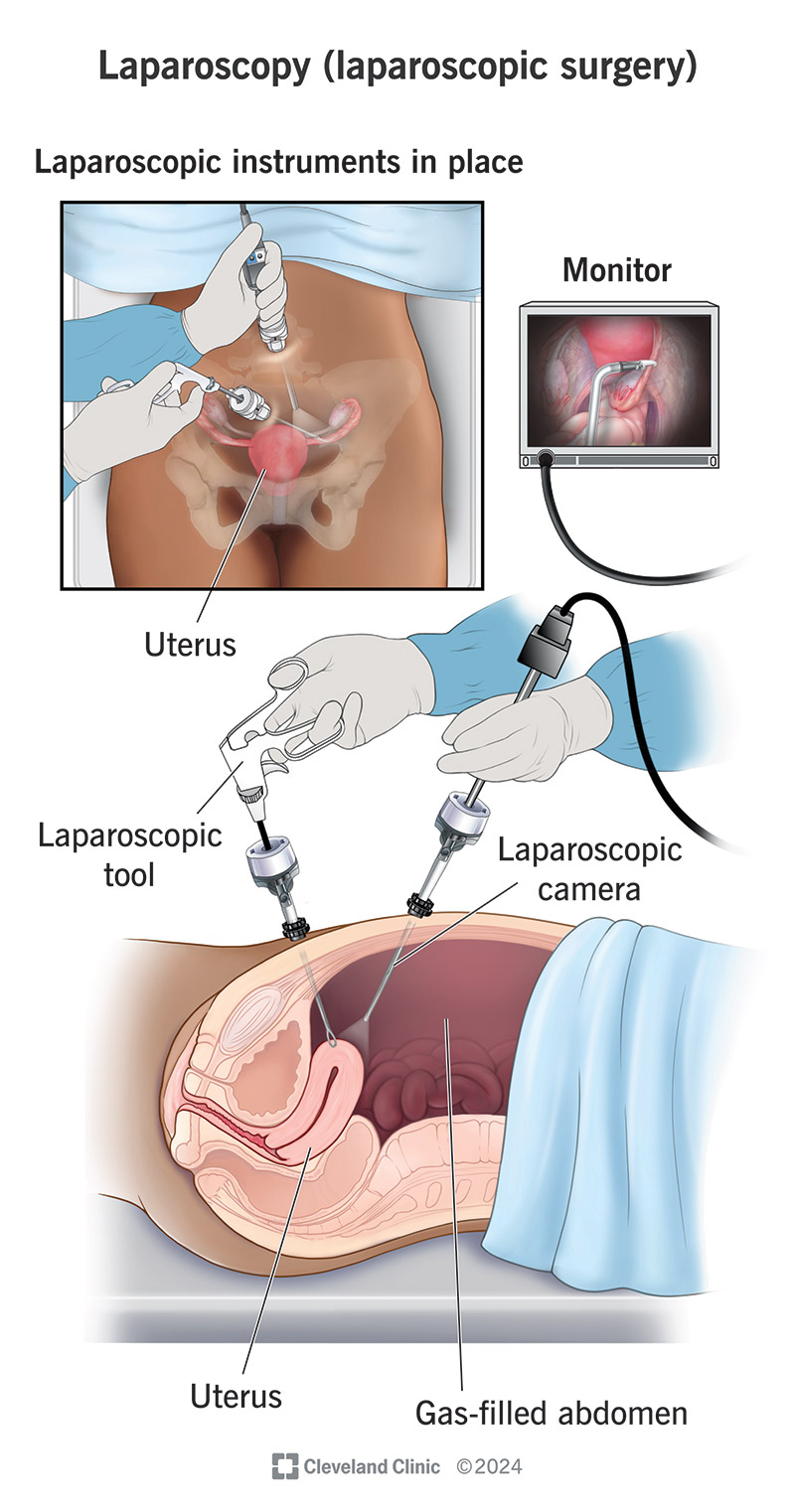
Source: Cleveland Clinic
To create space for the surgeon to work, the abdomen is gently inflated with carbon dioxide gas. This allows organs to be seen clearly and instruments to be moved safely. Compared to open surgery, this approach causes less trauma to surrounding tissues.
Modern variations of laparoscopy include single-port laparoscopy, where the procedure is performed through one small incision, often at the navel, and robotic-assisted laparoscopy, which uses robotic arms controlled by the surgeon for enhanced precision, flexibility, and control during complex procedures.
When Laparoscopy Should Be Considered
Conditions commonly treated with laparoscopy include:
- Digestive system conditions (e.g. gallstones, bowel disorders)
- Appendicitis
- Hernias
- Gynaecological conditions such as ovarian cysts, endometriosis, and fibroids
- Reproductive system evaluations and procedures
- Abdominal adhesions
- Certain tumours and biopsies
Surgeons may prefer laparoscopy when the condition is localised, the patient is medically stable, and the expected benefits outweigh the risks. In many cases, doctors choose laparoscopy over open surgery because it allows faster recovery and shorter hospital stays.
Laparoscopy can also be diagnostic, meaning it is used to look inside the abdomen when imaging tests are inconclusive, or therapeutic, where treatment is performed during the same procedure.
Suffering from abdominal pain? Discover the possible causes in this article on 8 Common Digestive Conditions You Might Be Experiencing.
When laparoscopy may not be suitable:
- Extensive scar tissue from previous surgeries
- Severe abdominal infections
- Emergency situations involving perforation or uncontrolled bleeding
- Very large or advanced tumours
- Patients with poor heart or lung stability who may not tolerate anaesthesia or gas inflation
In such cases, open surgery or alternative treatments may be safer.
Laparoscopic surgery: Pros and cons
Pros
- Smaller incisions and less visible scarring
- Lower risk of wound infection
- Reduced blood loss
- Less postoperative pain
- Faster recovery and earlier return to daily activities
Cons
- Laparoscopy is still a form of major surgery
- Possible complications such as bleeding or organ injury
- In some cases, surgery may need to be converted to open surgery
- Certain complex procedures may take longer
- Limited suitability in advanced or complicated disease
Laparoscopy vs Open Surgery vs Non-Surgical Treatment
| Approach | When It’s Used | Pros | Cons |
|---|---|---|---|
| Laparoscopy | Many abdominal and pelvic conditions | Faster recovery, less pain, minimal scarring | Not suitable for all patients |
| Open Surgery | Complex, emergency, or advanced disease | Full access and visibility | Larger scars, longer recovery |
| Non-Surgical Treatment | Mild or early-stage conditions | Avoids surgery | May not resolve underlying issue |
Non-surgical treatments such as medication, lifestyle changes, or physiotherapy may work for early or mild conditions. Surgery becomes necessary when symptoms persist, complications arise, or the condition worsens.
How to Prepare for Laparoscopic Surgery
Physical preparation
Patients are usually advised to fast for several hours before surgery. Certain medications, including blood thinners and supplements, may need to be stopped temporarily. Pre-operative screening tests such as blood tests, ECGs, or imaging may be required.
For patients with chronic conditions like diabetes, hypertension, or heart disease, careful optimisation and coordination with medical specialists are essential.
Mental preparation
Understanding the procedure and knowing what to expect can reduce anxiety. Patients are encouraged to discuss concerns openly, plan for recovery time, and bring a family member or support person on the day of surgery.
What Happens During the Procedure
Laparoscopic surgery is typically performed under general anaesthesia. Small incisions are made in specific locations depending on the procedure. Carbon dioxide gas is introduced to gently inflate the abdomen, creating a clear working space.
The laparoscope transmits images to a monitor, guiding the surgeon as instruments are used to perform the operation. Most procedures last between 30 minutes to a few hours. In rare cases, surgeons may convert to open surgery if safety concerns arise.
What to Expect After Laparoscopy
Immediately after surgery
Patients may feel drowsy, experience mild pain, or notice bloating and shoulder discomfort from the gas. Monitoring is done to ensure stable recovery.
Hospital stay
Many laparoscopic procedures are done as day surgery or require only a one-night stay, depending on the complexity and patient condition.
Home recovery
Wound care instructions, showering guidelines, and dietary progression will be provided. Light activity is encouraged, but strenuous exercise and driving may be restricted temporarily. Most patients return to work within one to two weeks.
Warning signs to watch for
- Fever
- Increasing pain
- Excessive bleeding
- Persistent vomiting
- Severe bloating
- Redness, swelling, or discharge from wounds
Aftercare & Follow-Up
Follow-up appointments allow doctors to assess healing, remove sutures if needed, and discuss long-term outcomes. Lifestyle adjustments may be recommended depending on the type of surgery performed.
Have more questions about gastroenterology procedures? Find the answers in our in-depth Gastroenterology FAQ on the specialists-in-charge, digestive health, and appointments.
Schedule an Appointment at Island Hospital
Laparoscopic surgery offers a modern, minimally invasive option for treating many medical conditions, but it must be carefully matched to each patient’s needs.
A thorough consultation ensures the safest and most effective treatment plan.
At Island Hospital, our expert general surgeons and gastroenterologists offer advanced diagnostics and personalised treatment for all your digestive needs.
Let us guide you through your journey to recovery — Schedule an appointment today!
FAQ
1. Is laparoscopic surgery safe for older adults or people with chronic diseases?
Yes, laparoscopic surgery is generally safe for older adults and patients with chronic conditions when they are carefully assessed before the procedure. In fact, its minimally invasive nature often leads to fewer complications and a faster recovery compared to open surgery.
2. Will I have visible scars after laparoscopic surgery?
Laparoscopic surgery usually results in very small scars, as the incisions are only a few centimeters long. Over time, these scars often fade and become barely noticeable.
3. What should I do if the gas pain in my shoulder doesn’t go away?
Mild shoulder pain from trapped gas is common and usually improves within a few days with movement and pain relief medication. If the pain is severe, worsening, or lasts longer than expected, you should contact your doctor for further evaluation.
4. Can I shower or get the wounds wet after the procedure?
Most patients can shower within 24–48 hours, but soaking the wounds in a bath or swimming should be avoided until healing is complete. Always follow your surgeon’s specific instructions to reduce the risk of infection.
5. Is robotic surgery better than traditional laparoscopy?
Robotic surgery offers greater precision and flexibility for certain complex procedures, but it is not always necessary or superior for every case. The best option depends on the type of surgery, the surgeon’s expertise, and the patient’s condition.
Related Doctors
Latest Blog Posts
February 18, 2026

February 11, 2026