01 Dec How Robotic Surgery Is Transforming Modern Healthcare in Malaysia
How Robotic Surgery Is Transforming Modern Healthcare in Malaysia
By Island Hospital | Dec 1, 2025 12:00:00 PM
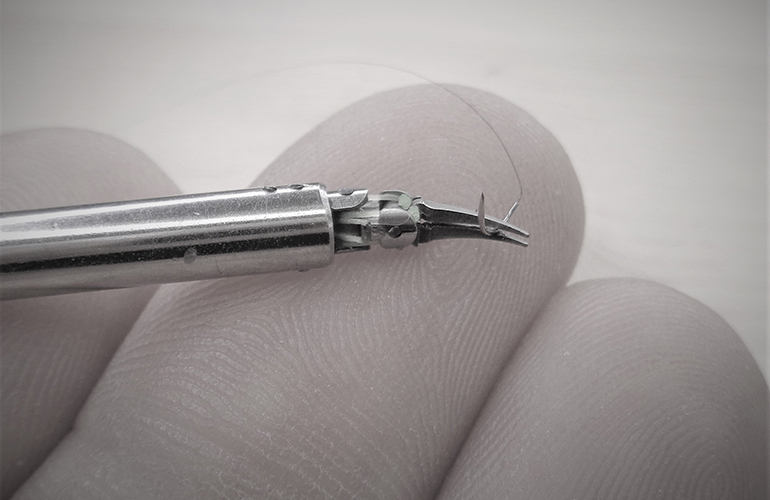
Remember the viral demonstration of a surgical robot flawlessly peeling and stitching the skin of a grape? That incredible feat of micron-level dexterity is now standard in human surgery.
For decades, the limit of a procedure was defined by the surgeon’s hands; today, it is defined by technology. This advancement is robotic surgery, providing surgeons with enhanced vision, unmatched stability, and a degree of manipulative dexterity far exceeding the human hand.
As one of Malaysia’s leading healthcare providers and a Newsweek World’s Best Hospitals 2024 finalist, Island Hospital is committed to leading this surgical revolution, offering patients world-class treatment supported by advanced robotic systems like da Vinci, ROSA, and DAVID.
How Robotic Surgery Works
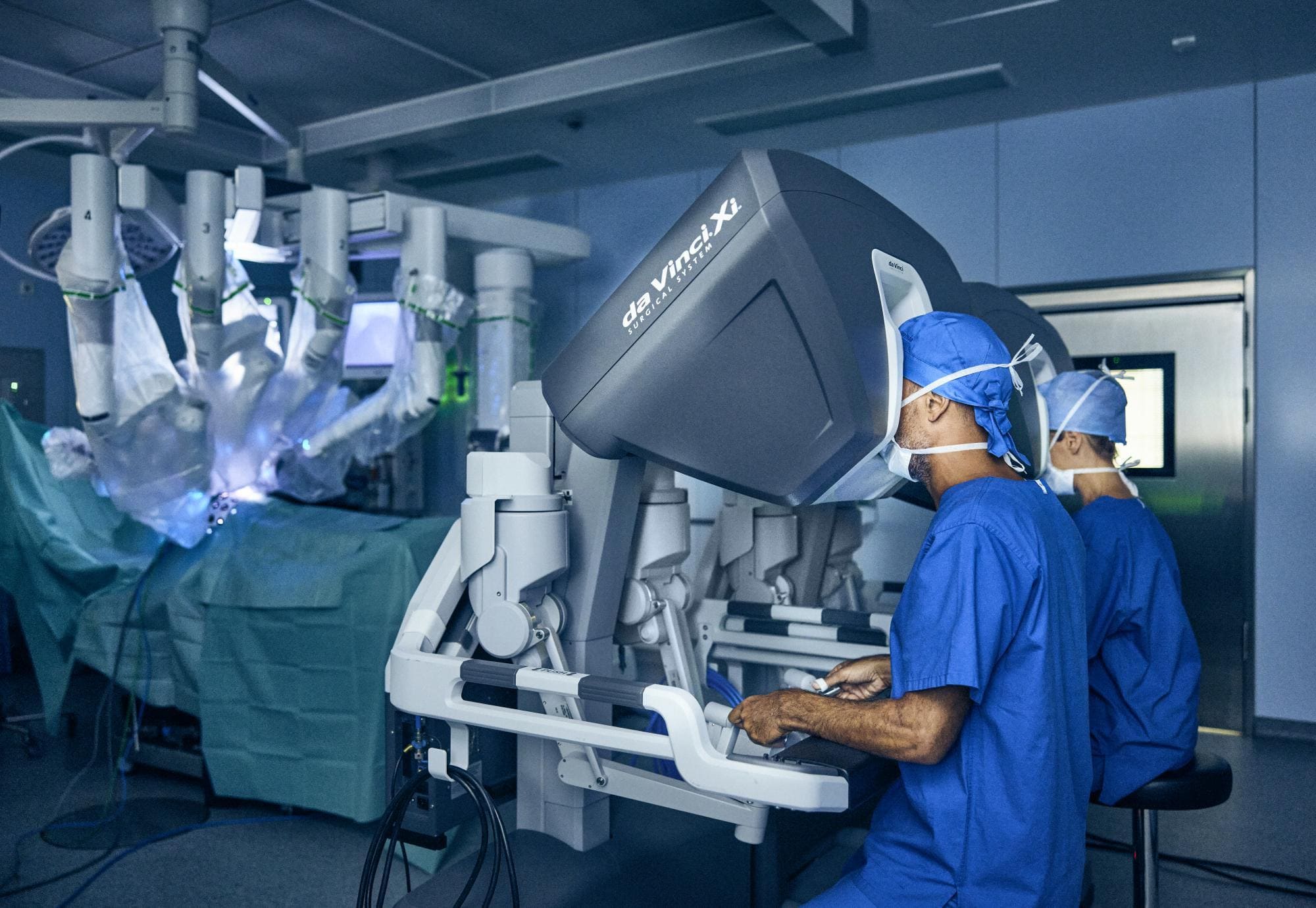
Robotic-assisted surgery is not performed by a robot, but rather with one, guided entirely by a highly-trained specialist surgeon.
The Concept and Components
The system works by establishing a seamless interface between the surgeon and the patient.
- Surgeon Console: The surgeon sits comfortably at an ergonomic console, viewing a magnified, high-definition 3D image of the surgical site.
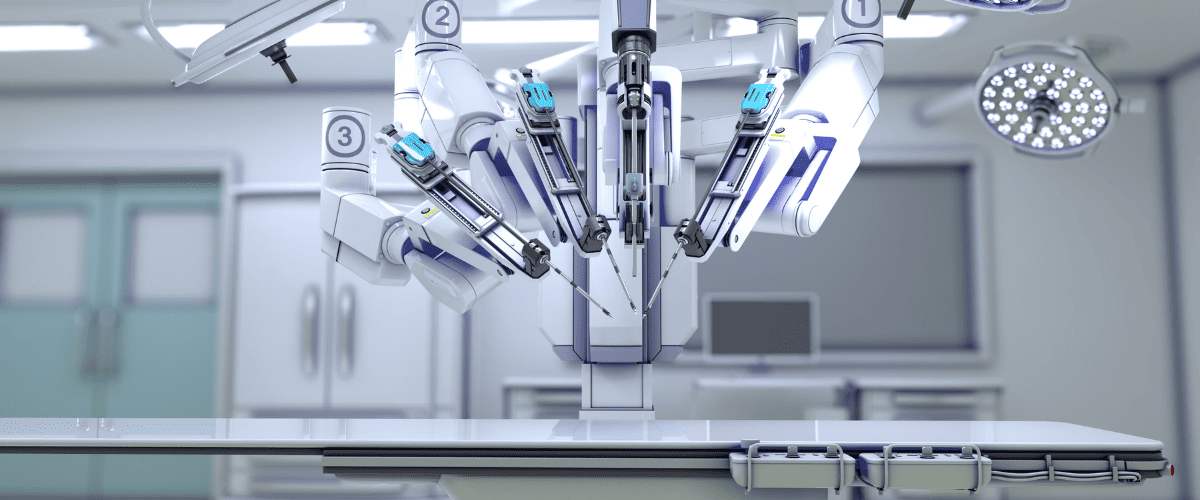
- Robotic Arms: The surgeon’s hand, wrist, and finger movements are translated into precise, micro-movements of the robotic instruments. These instruments possess seven degrees of freedom, allowing for a far greater range of motion and dexterity than the human wrist.
- 3D Vision and Precision Tools: The system’s enhanced vision and specialised tools enable the surgeon to perform delicate dissections and complex manipulations with exceptional clarity.
Key Benefits of the Technology
- Enhanced Dexterity
The instruments of a surgical robot can rotate and bend in ways a human hand cannot, allowing access to hard-to-reach areas.
This enhanced dexterity is particularly beneficial during prostate cancer surgeries.
Since the prostate sits deep within the narrow, bony pelvis, conventional access is challenging. New robotic instruments such as the da Vinci System are equipped with seven degrees of freedom (a range of motion superior to a human wrist), enabling the surgeon to perform precise dissection and suturing within this confined space.
Such precision is critical for sparing crucial nerves responsible for urinary and sexual function, significantly improving patient outcomes.
- Tremor Reduction: The system filters out any natural hand tremors, ensuring unwavering stability throughout the procedure.
For advanced procedures like super-microsurgery, which involves the suturing of tiny structures like blood vessels or nerves less than 1 mm in diameter, even a minuscule physiological tremor poses a significant risk.
The robotic platform digitally filters this out, providing the rock-steady, precise control necessary for flawless and successful connection of these minute tissues.
- Smaller Incisions: Robotic surgery is performed using small, keyhole incisions (typically 8−12 mm) instead of the large mid-line cut characteristic of traditional open procedures like a colectomy (colon resection) or hysterectomy.
Additional Procedures That Benefit from Multiple Robotic Advantages
Many procedures benefit from a combination of these features:
- Robotic Partial Nephrectomy (Kidney Tumor Removal)
The dexterity and 3D visualisation are critical for precisely cutting out the tumor while saving the maximum amount of healthy kidney tissue. - TransOral Robotic Surgery (TORS) (Head & Neck Cancer)
This approach uses the robot to access tumors at the base of the tongue or throat through the mouth, completely avoiding a large neck or jaw incision (smaller incisions or better cosmetic outcome).
The dexterity is essential for navigating the tight, complex anatomy.
Island Hospital Shines a Light on Urology Advancements! Check out how robotic surgery for GERD is a game changer for acid reflux relief.
Why Robotic Surgery Is a Game-Changer in Modern Healthcare
The integration of robotics and AI in the operating theatre delivers benefits that significantly outperform traditional surgery:
| Game-Changing Advantage | Expert Insight |
|---|---|
| Unmatched Precision | Robotic arms can move with steadiness and accuracy far beyond human hands. This precision is vital for sparing nerves and healthy tissue, with implant placement accuracy improved to 0.5° or even 0.5 mm during orthopaedic procedures. |
| Enhanced Vision | Surgeons operate with 3D, magnified, high-definition views, allowing them to see fine structures clearly for greater control. |
| Faster, Less Painful Recovery | Smaller incisions lead to less trauma, minimal blood loss, and faster healing. Patients report less pain and can often walk the same day, going home within 24–48 hours. |
| Reduced Complications | Greater control and enhanced visualisation lower the risk of nerve or tissue damage, leading to better long-term outcomes. |
| Consistency and Safety | Modern AI-assisted systems ensure stable, repeatable outcomes across different cases. Furthermore, systems can be "imageless," reducing the patient's exposure to radiation during pre-operative preparation. |
| Empowered Surgeons | Robotics reduces fatigue and strain, helping surgeons perform complex procedures more safely and confidently. |
Inside Island Hospital’s Advanced Robotic Surgery Suite
Island Hospital is committed to providing best-in-class, specialised care, which is evident in our robust suite of cutting-edge robotic systems. These technologies are integrated across our multidisciplinary teams, ensuring tailored and highly precise treatment.
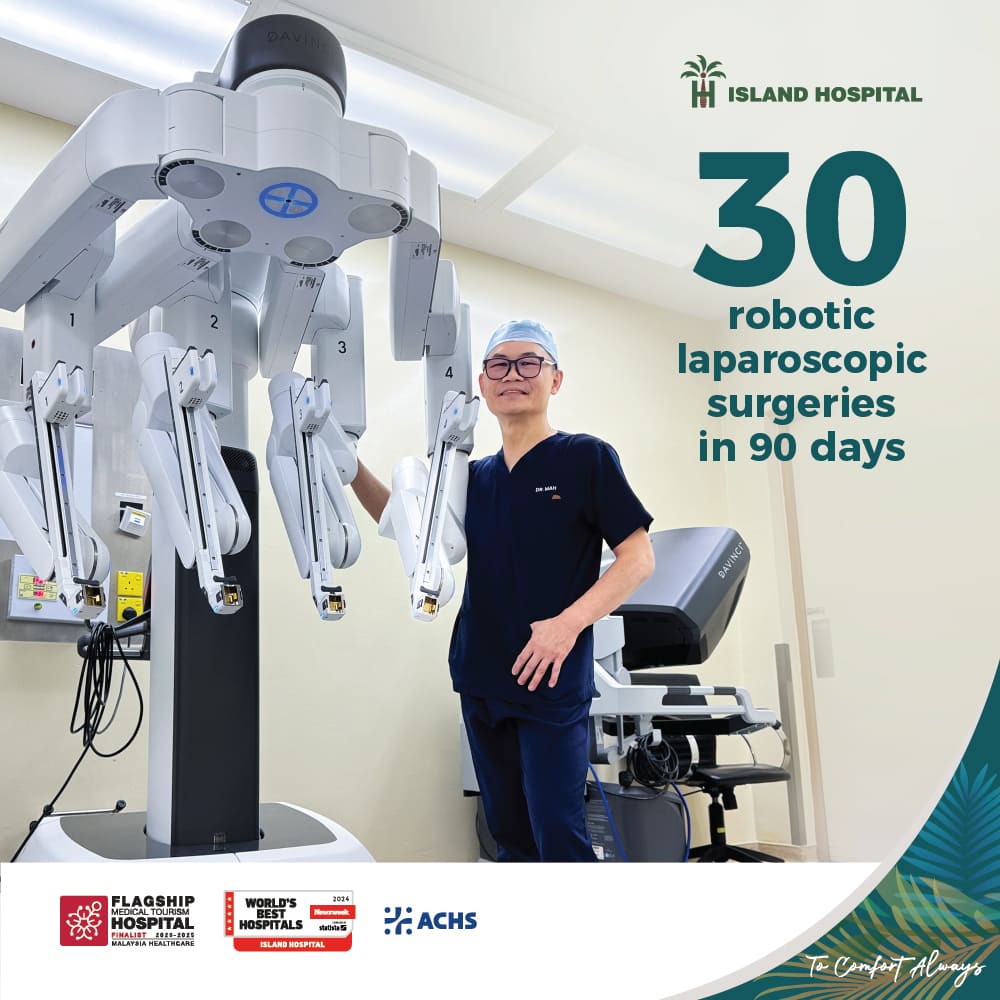
1. The da Vinci Robotic System: Cornerstone of Minimally Invasive Surgery
The da Vinci system is the premier platform for minimally invasive surgery, utilised across specialties including Urological, Gynaecological, and General Surgery.
It provides the surgeon with a sophisticated console and highly articulated instruments for performing complex procedures through tiny incisions.
- Advanced Relief for Chronic Reflux: This system is used for precise Fundoplication (GERD surgery), offering patients a highly effective, minimally invasive option for long-term relief from chronic acid reflux.
- View the Technology: Revolutionising Surgery: The Robotic da Vinci System
2. ROSA Robotic System: Precision in Orthopaedics
The ROSA system is key to our Orthopaedics team, delivering highly precise knee and hip replacement surgery.
- AI for Accuracy: The ROSA system’s AI capability allows surgeons to operate with remarkable precision (within 3°), ensuring objective soft tissue feedback and accurate bone resection. This results in the optimal restoration of a patient’s natural joint function.
3. DAVID System: AI-Assisted Post-Surgery Rehabilitation
The DAVID system is a critical component of IH’s holistic approach, serving as a state-of-the-art AI-assisted rehabilitation tool.
- Accelerated Recovery
The DAVID system plays a key role in post-surgery recovery by speeding up healing, restoring full function, and safely building strength. Patients use the DAVID machine as part of their guided physical therapy regimen for a fast and effective return to mobility. - Patient Testimony
A patient who underwent total knee replacement shared that following their physical therapy and using the DAVID machine was instrumental for a very fast recovery.
Check out this video to watch her success story!
4. Other Advanced Robotic Systems
| System Name | Primary Application | Key Benefit |
|---|---|---|
| ExcelsiusGPS Spine Robot | Complex Spine Surgery | Cutting-edge navigation platform for exceptional accuracy. |
| BioBot MonaLisa System | Prostate Biopsy | Offers precise, targeted biopsies for superior diagnostic accuracy. |
Get Ready for Your Fastest Recovery!
Discover how world-class robotic precision can get you back to the life you love sooner.
Island Hospital’s robotic surgery suite, supported by over 70 full-time specialists and its commitment to being the Value-Based Hospital of the Year in Asia Pacific (Global Health Asia Pacific Awards 2024), embodies our pledge to deliver best-in-class, patient-centric care.
Our goal is to offer you a safer operation with predictable, excellent outcomes and a faster return to the pain-free, normal life you deserve.
We believe that better technology translates directly to a better quality of life for you.
- Learn more about procedures and specialists in our Neurology and Neurosurgery department
- Check out our Health Screening Packages to monitor your health.
- Take the next step by booking a consultation with us to determine if robotic-assisted surgery is the right choice for your treatment.
FAQ
Is robotic surgery safer than traditional surgery?
Generally, yes, it is associated with a lower risk of complications. The enhanced safety comes from giving the surgeon superior control and visualisation. The surgeon operates using a console that translates their hand movements into precise, micro-movements of the instruments.
This provides greater precision (up to 0.5 mm in some procedures) and a magnified, high-definition 3D view of the surgical site. This level of control is crucial for delicate procedures, significantly lowering the risk of accidental damage to surrounding nerves, blood vessels, and healthy tissue, leading to better long-term outcomes for the patient.
Who is a good candidate for robotic surgery?
Patients requiring complex, minimally invasive procedures across a range of specialties are often excellent candidates. At Island Hospital, this includes individuals needing:
- Orthopaedics (precise knee/hip replacement using systems like ROSA).
- Urology (prostate, kidney procedures).
- Gynaecology (hysterectomy, fibroid removal).
- Spine Surgery (complex spinal navigation with ExcelsiusGPS).
The key benefit is for procedures where surgical access is difficult or where extreme precision is vital. However, suitability is always determined after a thorough, personalised consultation with an Island Hospital specialist who considers the patient’s specific condition and medical history.
How long is the recovery after robotic-assisted surgery?
Recovery is typically faster, less painful, and involves a shorter hospital stay compared to traditional open surgery. Because the procedure is minimally invasive (using only small incisions), there is less trauma to the body, minimal blood loss, and reduced post-operative pain.
This results in an accelerated recovery timeline. Many patients can walk the same day and are often discharged within 24–48 hours. Furthermore, rehabilitation is often accelerated by specialised AI-assisted systems like DAVID, which guide the patient through safe, personalised physical therapy to quickly restore full function and build strength.
Are robotic surgeries more expensive than traditional surgeries?
While the initial cost of a robotic procedure may be slightly higher due to the use of advanced technology and specialised instruments, the overall value-based outcome is significant.
The technology’s unparalleled accuracy (e.g., in implant placement) helps to prolong the functional longevity of implants and dramatically reduces the risk of surgical complications and readmissions. This often translates into a lower total cost of care over time, a faster return to work or daily life, and a better long-term quality of life for the patient.
Is robotic surgery available for children or elderly patients?
Yes, robotic surgery has been used successfully for patients across a wide age range. The minimally invasive nature of robotic surgery is often highly beneficial for elderly patients as it results in significantly less physical trauma, a lower risk of blood loss, and a much quicker recovery, which is critical for maintaining their overall health.
For children, it can also be used for delicate procedures where minimal scarring is desirable. Ultimately, suitability is always assessed by the specialist on a case-by-case basis, taking into account the patient’s overall health, medical fitness, and the specific procedure required.
Related Doctors
Latest Blog Posts

February 18, 2026

February 11, 2026