
10 Apr 8 Things You Need to Know About Getting Hip Replacement Surgery in Malaysia
8 Things You Need to Know About Getting Hip Replacement Surgery in Malaysia
By Island Hospital | 10 April 2026. 10:00:00 AM
Medical Reviewer:
It starts subtly like a dull ache in your groin, stiffness when you stand, a hesitation before climbing the stairs. You tell yourself it’s “just ageing.”
But when walking becomes a calculation, sleep is interrupted by pain, and simple movements feel like obstacles, your hip may be telling a different story.
Chronic hip pain isn’t something you have to live with.
For many Malaysians, hip replacement surgery restores mobility, independence, confidence, and quality of life. With advanced options now available, including robotic-assisted procedures, treatment in 2026 is safer, more precise, and more accessible than ever.
Whether you’re exploring care at private hospitals or specialist orthopaedic centres, this guide will help you understand your options and make choices about your next step.
What Is Hip Replacement Surgery?
Think of your hip joint like a ball-and-socket hinge.
The “ball” at the top of your thigh bone fits into the “socket” in your pelvis. Both surfaces are covered with a smooth, slippery layer called cartilage that helps the joint glide easily when you walk, sit, bend, or climb stairs.
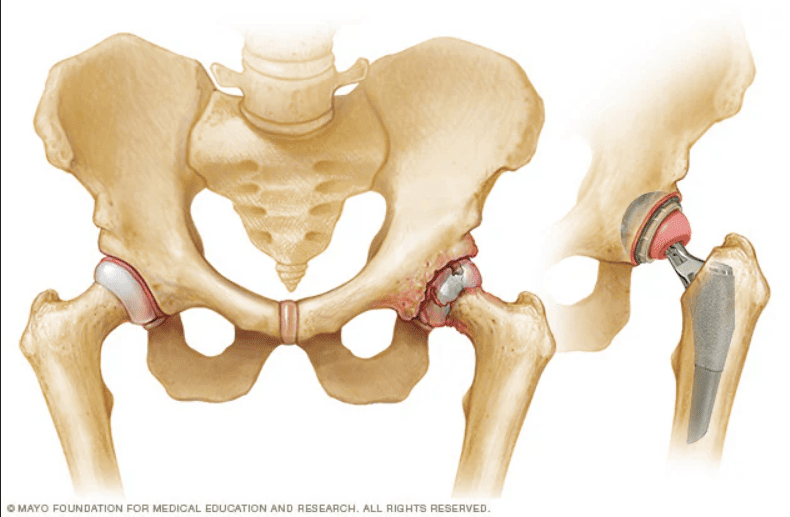
Over time due to wear and tear, arthritis, injury, or other conditions, that smooth layer can become damaged. When this happens:
- The bones start rubbing against each other
- Movement becomes stiff
- Pain can become constant
Hip replacement surgery is a procedure where the damaged parts of the joint are removed and replaced with artificial parts.
Instead of bone grinding against bone, the surgeon inserts a smooth artificial ball and socket made from durable materials like metal, ceramic, or medical-grade plastic.
These new parts are designed to move smoothly just like a healthy hip.
Who Is a Good Candidate? (It’s Not Just for the Elderly)
Many people assume hip replacement is only for seniors but that’s no longer true.
Today, candidates range from active adults in their 40s and 50s to older individuals who simply want to stay independent.
Age alone doesn’t determine whether you need surgery pain, joint damage, and quality of life. You may be a good candidate if:
Common reasons or conditions people need hip replacement include:
- Osteoarthritis (wear-and-tear arthritis)
- Rheumatoid arthritis
- Hip fractures
- Avascular necrosis (loss of blood supply to the hip joint)
- Congenital hip disorders
Modern implants are durable and designed to last many years, which means younger, active patients can also benefit when symptoms are severe.
Ultimately, the right candidate isn’t defined by age, it’s someone whose hip pain is preventing them from living the life they want.
Types of Hip Replacement Surgery
Not all hip replacements are the same. The type of surgery recommended depends on your condition, age, bone quality, and the cause of your hip damage.
| Type of Surgery | What Is Replaced? | Key Details / Who It’s For |
|---|---|---|
| Total Hip Replacement | Both the ball (top of thigh bone) and the socket (pelvis) | Most common. Recommended for severe arthritis, advanced joint damage, or chronic hip pain. Restores smooth, pain-free movement. |
| Partial Hip Replacement | Only the ball portion of the joint | Usually for hip fractures or certain traumatic injuries. Socket remains natural. Less common for arthritis. |
| Minimally Invasive Hip Replacement | Same components as total replacement, but done through smaller incisions | Smaller scar and less tissue disruption. Potentially faster early recovery. Not suitable for every patient. |
Your orthopaedic specialist will recommend the most appropriate option based on your condition, bone quality, lifestyle, and long-term mobility goals.
Surgery fixed your joint; now let AI fix your stride. Find out how our specialised rehabilitation machines help you regain full range of motion faster than ever in our article: Why Traditional Rehab Might Be Slowing You Down.
Robotic vs Traditional Hip Replacement in Malaysia
Robotic-assisted hip replacement is becoming more widely available in Malaysia, including at top centres like Island Hospital.
Here’s how the two approaches compare:
| Feature | Traditional | Robotic-Assisted |
|---|---|---|
| Precision | Surgeon-dependent | Computer-guided |
| Implant alignment | Manual | Pre-planned with robotic assistance |
| Recovery speed | Similar | Similar |
| Cost | Lower | Higher |
Is Robotic Surgery Worth It?
Robotic-assisted surgery can be particularly helpful for:
- Younger patients who want long-lasting results
- Complex hip anatomy that requires precise alignment
- Revision cases where previous implants need correction
However, it’s important to remember that the outcome depends heavily on the surgeon’s skill and experience, whether using robotic assistance or traditional techniques.
At Island Hospital, our surgeons combine advanced technology with expertise to optimise results, giving patients the best of both worlds: precision and personalised care.
Patient Testimony
While not directly related to hip replacement, a patient who underwent total knee replacement shared that following their physical therapy and using the DAVID rehabilitation machine was instrumental in achieving a very fast recovery.
Inside Island Hospital’s advanced robotic surgery suite, we also offer advanced rehabilitation technology, supporting faster, safer recovery for patients after hip or knee surgery.
Check out this video to watch her success story!
Step by Step: What Happens During Surgery?
Knowing what happens in the operating room can make the process feel far less intimidating. While each case is tailored to the patient, most hip replacement surgeries follow these key steps:
Phase 1: Preparation & Precision
Before entering the operating room, your surgical team will ensure everything is aligned for your anatomy.
- Comprehensive Screening
You will undergo a general physical examination, blood tests, X-rays, and often an MRI to give the surgeon a “GPS map” of your hip joint.
Phase 2: The Procedure (Approx. 1–2 Hours)
Step 1: Anaesthesia
You’ll receive either general anaesthesia (fully asleep) or spinal anaesthesia (numb from the waist down with light sedation). Your anaesthetist will recommend the safest option based on your pre-op tests.
Step 2: The Incision
Your surgeon makes an 8 to 10-inch incision along the side of the affected hip. They will carefully move the muscles and tendons aside to reveal the hip joint without causing unnecessary trauma to the surrounding tissue.
Step 3: Removing the Damaged Joint
The “ball” (femoral head) of your thigh bone is removed. The surgeon then clears away worn-out cartilage and damaged bone from the “socket” (acetabulum) to eliminate the source of your chronic pain.
Step 4: Placing the New Socket
A durable artificial socket, usually made of metal, is positioned securely into your pelvic bone. In modern surgeries, a highly durable plastic or ceramic spacer is inserted into this socket to ensure the new joint glides smoothly.
Step 5: Inserting the Stem and Ball
A metal stem is inserted into the hollow center of your thigh bone (femur). A new metal or ceramic ball component is then attached to the top of this stem to recreate the natural “ball-and-socket” movement.
Step 6: Implant Fixation
The components are secured using one of two methods:
- Cemented: Using specialised surgical “bone cement” for immediate fixation.
- Uncemented: Using implants with a porous surface that allows your natural bone to grow into and “lock” the implant in place over time.
Step 7: Closing the Incision
The surgeon moves the muscles back into their natural position and closes the incision with sutures or staples. A sterile dressing is applied to protect the site as it begins to heal.
Recovery Timeline After Hip Replacement
Recovery varies from person to person, but most patients follow a similar general timeline. Knowing what to expect can help you plan ahead and feel more confident about the journey
Day 1
- Standing and taking a few steps with assistance
- Guided by a physiotherapist
- Pain managed with medication
Early movement helps reduce complications and speeds up recovery.
Week 1
- Walking with a walker or crutches
- Managing swelling and discomfort
- Beginning structured physiotherapy exercises
- Gradually increasing short-distance walking
Most patients are discharged within a few days, depending on their progress.
Week 2-6
- Increasing independence at home
- Transitioning from a walker to a cane (if appropriate)
- Improved strength and flexibility
- Resuming light daily activities
Consistency with physiotherapy is key during this phase.
Around 3 Months
- Resuming most normal daily activities
- Walking more comfortably with minimal support
- Driving may be possible (if cleared by your doctor)
- Returning to low-impact activities
6–12 Months
- Continued strengthening and endurance improvement
- Scar healing and reduced stiffness
- Reaching full recovery potential for many patients
Keep in mind that recovery speed depends on factors such as your age, overall health, surgical technique, and commitment to rehabilitation, and carefully following your surgeon’s advice and physiotherapy plan plays a major role in achieving the best possible outcome.
Specialised Rehabilitation After Hip Surgery
The success of a hip replacement is 50% surgery and 50% rehabilitation. Our Rehabilitation & Physiotherapy Centre offers a one-stop recovery experience where your surgeon and therapists work under one roof.
AI-Powered Recovery with DAVID
We utilise the DAVID Solution, an AI-assisted medical exercise system. These machines provide:
- Targeted Training: Specifically isolates the hip and spine to build strength without straining the new joint.
- Real-Time Data: The AI tracks your range of motion and strength, adjusting the “dosage” of exercise perfectly for your stage of recovery.
- Safety: Biomechanically optimised movements that prevent common post-surgical injuries.
New Hip, New Life!
To ensure your new joint lasts for decades (many last 20+ years), we focus on long-term joint health:
- Weight Management: Reducing stress on the prosthetic.
- Fall Prevention: Education on home safety and balance training.
- Routine Follow-ups: Periodic X-rays to ensure the implant remains perfectly aligned.
What Happens If You Delay Surgery?
It’s understandable to want to postpone surgery but waiting too long can sometimes make recovery more difficult.
Delaying hip replacement when it’s clearly needed may lead to:
- Progressive muscle weakness from reduced movement
- Worsening joint damage or deformity
- Reduced mobility even after surgery
- Chronic pain that affects mental well-being and overall quality of life
As pain increases, many people naturally move less which can further weaken the muscles supporting the hip and make rehabilitation harder later on.
While surgery is rarely an emergency (unless due to fracture), timely intervention often leads to better outcomes, smoother recovery, and improved long-term mobility.
If your hip pain is steadily worsening, a consultation with an orthopaedic specialist can help you determine the right timing.
Life After Hip Replacement
One of the biggest fears patients have is: “Will I ever get back to normal?”
The encouraging news is that most people regain the freedom they thought they had lost after a hip replacement surgery.
After healing and rehabilitation, many patients are able to return to:
- Walking comfortably without constant pain
- Climbing stairs with confidence
- Travelling and enjoying holidays again
- Playing golf and other low-impact sports
- Performing religious activities such as kneeling or sitting cross-legged (depending on individual flexibility and surgeon advice)
For many, the biggest change is more to the emotional side rather than physical. Being able to move without fear of pain restores independence, confidence, and quality of life.
That said, high-impact activities such as long-distance running, jumping sports, or intense contact sports are generally discouraged. These can place excessive stress on the artificial joint and may reduce its lifespan.
Robotic-assisted surgery is helping doctors perform complex procedures with enhanced precision, smaller incisions, and quicker recovery. Learn more in: How Robotic Surgery Works and What to Expect.
Walk Away Pain-Free
Chronic hip pain can quietly take over your life whereby it limits your movement, interrupts your sleep, and slowly reduces your independence. But there’s always a solution to every problem.
Hip replacement surgery in Malaysia is safe, highly successful, and more advanced than ever with options such as robotic-assisted techniques and rehabilitation available at Island Hospital.
If you’ve been postponing treatment, hoping the pain will improve on its own, consider this your sign to take the next step.
You don’t need to decide on surgery immediately. What you require is the right information from our team of specialised Orthopaedics.
Book a consultation, ask your questions, and understand your options.
Because when hip pain starts controlling your life, exploring your treatment options could be the turning point toward moving comfortably again.
FAQs
Can I sit cross-legged or squat after surgery?
This is one of the most common questions among patients in Malaysia especially for those who are used to floor seating, religious practices, or daily activities that involve squatting.
Here’s what you need to know:
- Deep squatting is generally discouraged, particularly repetitive or full-weight squats, as they place significant stress on the artificial joint.
- Sitting cross-legged may be possible after full recovery, depending on your flexibility, implant position, and your surgeon’s advice. Not everyone will regain the same range of motion.
- Use caution with low chairs, floor seating, or very low toilets, especially during the first few months of recovery.
If sitting cross-legged or squatting is important for your lifestyle, cultural practices, or religious activities, discuss this with your surgeon before surgery. Planning ahead allows your care team to consider these goals and guide your recovery safely.
How long does a hip replacement last?
Most modern hip implants are designed to last 15–25 years, and many last even longer with proper care. Longevity depends on factors such as your age, activity level, weight, implant type, and overall health.
It is important to follow your surgeon’s advice in avoiding high-impact activities to extend the lifespan of your artificial joint.
Is hip replacement very painful?
It’s natural to worry about pain. After surgery, some discomfort is expected but it is carefully managed with medication and guided rehabilitation.
Most patients report that the arthritis pain they had before surgery was far worse than the temporary post-surgical discomfort. Within a few weeks, many experience significant pain relief and improved mobility.
When can I walk normally?
Most patients begin standing and taking a few steps with assistance on Day 1 after surgery. With consistent physiotherapy and gradual strengthening, independent walking is usually possible within 4–6 weeks. Recovery speed varies depending on age, overall health, and adherence to rehabilitation exercises.
Is robotic hip replacement better?
Robotic-assisted hip replacement offers greater precision in implant placement, which can be especially helpful for complex anatomy or revision cases. However, long-term outcomes are generally similar to traditional surgery when performed by an experienced surgeon.
The key to a successful hip replacement remains skilled surgical technique, careful planning, and dedicated rehabilitation.