05 Dec Everything My Patients Ask Me About Double Eyelid and Eye Bag Surgery in Malaysia
Everything My Patients Ask Me About Double Eyelid and Eye Bag Surgery in Malaysia
By Island Hospital | Dec 5, 2025 12:00:00 PM
Have you ever looked in the mirror and wondered why your eyes look uneven or droopy? Or noticed that even after a full night’s sleep, your eyes still feel heavy with noticeable under-eye bags? If this sounds familiar, you’re not alone.
Many people, especially Asians, experience these concerns as they age. Sagging skin, puffiness, or the absence of a natural double eyelid can make the eyes appear smaller, tired, or less defined than they really are.
In Malaysia, the desire for brighter, more defined eyes with naturally enhanced double eyelids is becoming increasingly common. Procedures such as double eyelid surgery and eye bag removal are now among the most popular aesthetic treatments, helping patients achieve a refreshed, natural look without the need to travel abroad.
If you’re considering or researching these procedures, keep reading. In this guide, we’ll share everything patients often ask about double eyelid and eye bag surgery—from how they work and who they’re for to recovery, cost, and what to expect from start to finish.
What Are Double Eyelid and Eye Bag Surgeries?
If you’ve ever wished your eyes looked brighter, more open, or less tired, you have probably come across two of the most common aesthetic eye treatments — double eyelid surgery and eye bag removal.
Double Eyelid Surgery (Blepharoplasty)
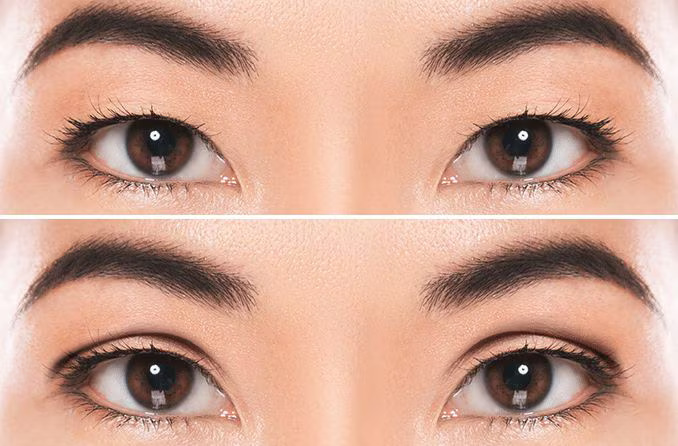
Double eyelid surgery creates a natural-looking crease on the upper eyelid for those born without one (commonly called a monolid) or refines an existing crease that may be uneven or low. This added fold helps the eyes look larger, more defined, and more awake while still maintaining your natural facial harmony.
Depending on your anatomy and goals, your surgeon may recommend either:
- Non-incisional (Suture) Technique – Uses fine, hidden stitches to create a crease without cutting the skin. It’s minimally invasive, with shorter downtime and no visible scars.
- Incisional Technique – Involves a fine incision along the eyelid line to remove excess skin or fat and create a more permanent crease. This method is ideal for thicker eyelids or those seeking long-term results.
Eye Bag Removal (Lower Blepharoplasty)
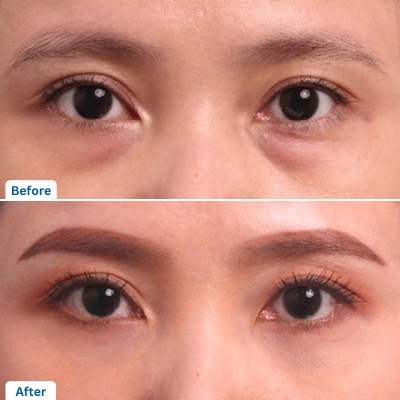
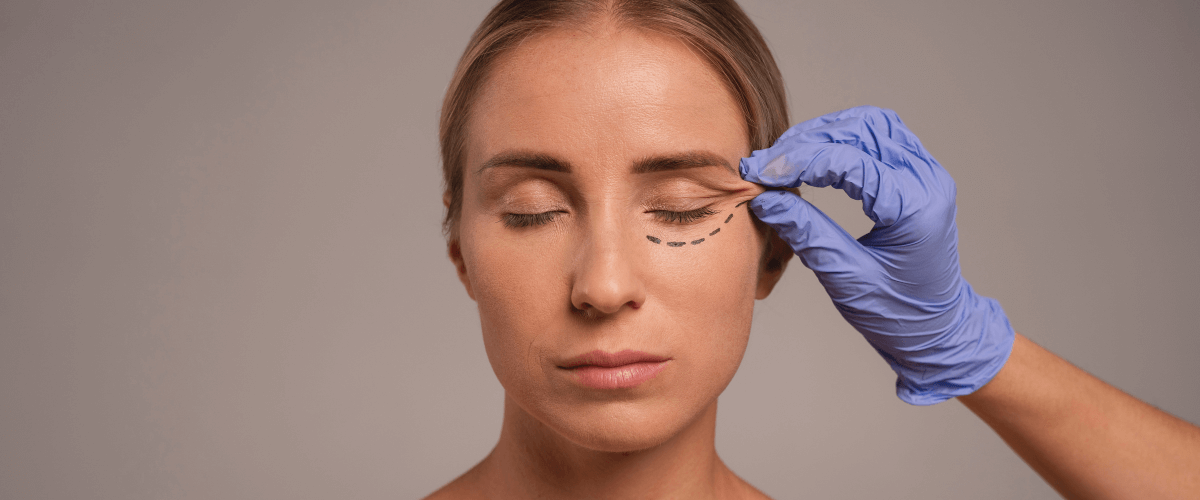
Eye bag surgery targets the puffiness or bulging fat that can form beneath the eyes as we age. This happens when the natural fat pads under the eyes shift or protrude, giving the eyes a tired or swollen appearance.
During the procedure, the surgeon removes or repositions these fat pockets and, if necessary, tightens any loose skin to achieve a smoother, more youthful contour. This gives the eyes a refreshed, rested, and naturally rejuvenated look.
Understanding Why Our Eyes Look the Way They Do
Did you know that about 50% of Asians are born without natural double eyelid creases?
This simple difference comes down to how the eyelid structures, particularly the muscle and fat beneath the skin, are connected. It’s one of the key reasons why eye shapes and sizes vary so much, even among people of the same background.
Monolid VS Double eyelid
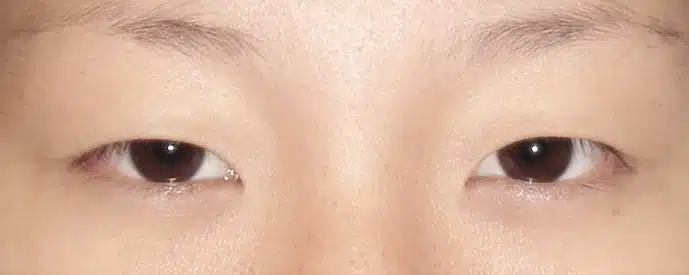
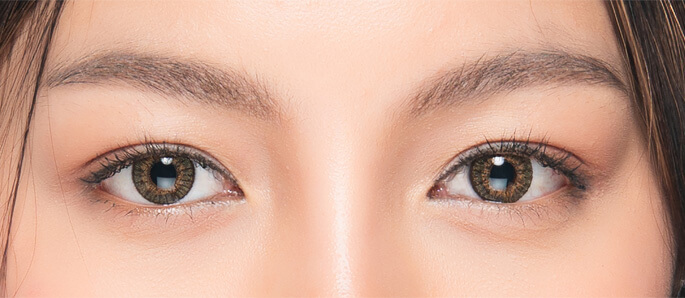
A monolid simply means the upper eyelid has no visible crease, while a double eyelid has a defined fold that creates a subtle shadow, making the eyes appear larger and more defined.
The main reason some people don’t have this crease lies in the levator muscle, a small but powerful muscle inside the upper eyelid that lifts the eye open. In people with a double eyelid, a thin attachment connects this muscle to the skin, forming a visible fold when the eye opens.
When that connection is weak or absent, the skin moves smoothly without forming a crease, resulting in a monolid appearance.
Why Do the Eyes Change Over Time?
Over time, though, these same structures begin to change.
- The skin loses elasticity, leading to sagging and fine wrinkles around the eyes.
- The levator muscle can weaken, causing ptosis, where the eyelid appears droopy or half-closed.
- The fat pads beneath the eyes may shift or protrude, forming eye bags or puffiness.
- Genetics, sun exposure, lack of sleep, and even screen time or stress can make these changes appear earlier or more noticeable.
All of these factors combined can make the eyes look smaller, uneven, or perpetually tired, even when you feel perfectly awake.
Curious about your eye health beyond eyelid surgery? Explore our article on how well you can see for insights into detection, protection and care.
Who Is a Good Candidate for Eyelid or Eye Bag Surgery?
Not everyone who feels their eyes look tired or puffy necessarily needs surgery, but for many people, minor structural differences or age-related changes can make a big impact on their appearance and confidence.
You May Be a Good Candidate for Double Eyelid Surgery If You:
- Were born without a visible eyelid crease (monolid) and wish to create a natural-looking fold.
- Have asymmetrical eyelids — one with a crease and one without.
- Experience droopy or heavy eyelids that make your eyes look smaller or tired.
- Find yourself relying on eyelid tape or glue daily, and want a long-term solution.
This procedure is suitable for both men and women, typically from late teens onward, once facial growth is complete.
You May Be a Good Candidate for Eye Bag Removal If You:
- Have puffy lower eyelids caused by fat herniation or loose skin.
- Notice dark circles or deep tear-trough hollows that make you look tired, even when you’re well-rested.
- Feel your eye bags are genetic or age-related and don’t improve with skincare or sleep.
Candidates should be generally healthy, non-smokers, and free from uncontrolled medical conditions (such as hypertension, thyroid disease, or bleeding disorders).
How to Prepare for Surgery
Deciding to undergo eyelid or eye bag surgery is an exciting step toward feeling more refreshed and confident. While the procedures themselves are relatively quick and straightforward, a little preparation goes a long way in ensuring smooth healing and the best possible results.
1. Schedule a Professional Consultation
During consultation, your surgeon will assess your eye shape, skin condition, and muscle strength to recommend the most suitable approach, whether it’s a non-incisional suture technique, incisional double eyelid surgery, eye bag removal, or a combination of both.
This is also the time to discuss your goals and expectations openly. Everyone’s eye anatomy is different, so your doctor will personalise the treatment plan to match your facial features and desired outcome.
2. Review Your Medical History
Before surgery, your surgeon will review your medical background, including any chronic conditions, allergies, or medications you take. You may be advised to pause blood-thinning medications or supplements (like aspirin, vitamin E, or herbal tonics) about one to two weeks before surgery to minimise bruising or swelling.
If you smoke, it’s best to avoid smoking for several weeks before and after the procedure, as it can affect healing and recovery.
3. Prepare Physically and Mentally
Get plenty of rest, stay hydrated, and keep your skin healthy in the days leading up to your surgery. On the day itself, come with a clean face — no makeup, creams, or contact lenses and wear comfortable clothing.
Some patients feel a little nervous before surgery, which is completely normal. Remember that these are short, minimally invasive procedures, often done under light sedation to keep you comfortable throughout.
4. Arrange for Recovery Support
Although eyelid and eye bag surgeries are typically outpatient procedures, meaning you can go home the same day, it’s best to have a friend or family member drive you home afterwards.
Prepare a calm space at home with essentials like cold compresses, clean cotton pads, prescribed ointments, and sunglasses to protect your eyes during recovery.
The Surgical Process: What to Expect During the Procedure
Understanding the surgical process can help patients feel informed and confident before their procedure. Here’s a step-by-step look at what you can expect.
1. Double Eyelid Surgery
There are two main techniques your surgeon may use, depending on your eye anatomy and goals:
Buried-suture (Non-Incisional) Technique:
Ideal for those with thinner eyelids and minimal excess fat. Small puncture points are made along the upper eyelid, and fine sutures are inserted to connect the levator muscle to the skin, forming a natural crease.
- Duration: around 30–40 minutes
- Benefits: no visible scar, minimal downtime, long-lasting results
Incisional Technique:
Recommended for thicker eyelids, excess fat, or sagging skin. A fine incision is made along the natural eyelid line to remove extra fat and skin before creating the new crease.
- Duration: around 45–60 minutes
- Benefits: permanent crease, better suited for the correction of asymmetry or droopiness
2. Eye Bag Removal (Lower Blepharoplasty)
Eye bag removal focuses on correcting puffiness caused by fat protrusion and skin laxity under the eyes.
Incisional Approach:
A small incision is made just below the lash line to remove or reposition fat and tighten the skin.
Transconjunctival (No-Incision) Approach:
For younger patients or those with minimal skin excess, fat can be removed from the inner eyelid, leaving no external scar.
- Duration: 30–40 minutes
- Recovery: mild swelling for 1–2 weeks; most people resume work within a few days
3. Ptosis Correction (Eyelid Muscle Tightening)
In some cases, droopy eyelids aren’t just caused by skin or fat but by a weakness in the levator muscle — the same muscle responsible for lifting the eyelid. This condition, known as ptosis, can make the eyes appear tired, uneven, or partially closed.
During ptosis correction surgery, the same incision used for double eyelid creation allows the surgeon to tighten and strengthen the levator muscle, enabling the eyelid to open fully.
4. Combined Procedures
Many patients choose to combine upper and lower eyelid surgeries for a complete rejuvenation. This allows balanced results and a single recovery period.
Understanding the Benefits and the Risks
Like any medical procedure, double eyelid and eye bag surgeries come with both rewarding benefits and certain risks. Understanding both sides helps you make an informed decision and sets realistic expectations about your outcome.
Benefits: More Than Just Aesthetic Improvements
While these procedures are often done for cosmetic reasons, their effects go beyond appearance. Patients often notice:
- Brighter, more defined eyes that make the face look more alert and balanced.
- Improved vision for those whose sagging upper eyelids previously obstructed their sight.
- Youthful and refreshed appearance as puffiness, loose skin, and droopiness are reduced.
- Better facial symmetry, which enhances overall harmony and self-image.
- Boosted confidence and mental well-being.
Risks: What to Be Aware Of
Eyelid and eye bag surgeries are generally very safe when performed by qualified, experienced plastic surgeons. However, like any surgery, there are potential side effects and risks you should know:
- Temporary swelling, bruising, or tightness in the eyelid area (common and expected).
- Mild discomfort, dryness, or watery eyes during early recovery.
- Temporary asymmetry as the eyelids settle and swelling subsides.
- Scarring — minimal when incisions are well-placed and adequately cared for.
- In rare cases: infection, bleeding, or abnormal lid position (such as lower lid eversion), especially if performed by untrained or inexperienced practitioners.
The good news is that most side effects are temporary and easily managed, and complications are extremely rare when the surgery is done by a certified plastic surgeon who specialises in eyelid procedures.
Want to learn more about common eye conditions? Explore our detailed guide on glaucoma to understand its causes, symptoms, and treatment options.
Recovery and Aftercare: What to Expect After Surgery
The recovery process after double eyelid or eye bag surgery is relatively short and straightforward. Most procedures are done on an outpatient basis and involve minimal downtime.
What to Expect After Surgery
It’s completely normal to experience mild swelling, bruising, or tightness around the eyes during the first week. This is part of the healing process as your eyelids adjust to their new shape.
- Swelling and redness usually peak around day 2–3, then gradually subside over 1–2 weeks.
- Most patients feel comfortable enough to return to work or light activities within 3 days, especially if they wear sunglasses.
- By the end of the second week, about 80–90% of swelling is gone, and the results become more natural-looking.
- Final results typically settle within 2–3 months, once the eyelid crease or lower lid contour fully refines.
If you had a buried suture technique, there’s no need for stitch removal; the sutures dissolve internally. For incisional techniques, stitches are usually removed after 7–9 days.
Aftercare Tips for the Best Results
Good aftercare makes a big difference in how well you heal and how natural your final results look. Here are some key tips:
- Keep the area clean and dry for the first few days.
- Avoid rubbing or pressing your eyelids.
- Sleep with your head slightly elevated to minimise swelling.
- Avoid eye makeup or contact lenses until your surgeon says it’s safe (usually 1–2 weeks).
- Wear sunglasses outdoors to protect against sunlight and dust.
- Follow your surgeon’s post-op care instructions carefully, including any prescribed ointments or eye drops.
Most importantly, give your eyes time to heal — swelling and minor asymmetry are normal in the early stages. With proper care and patience, your results will look more refined and natural each week.
Feel Confident in the Way You Look Again!
Tired of droopy eyelids or under-eye bags making you look tired even when you’re not? With the proper care and expertise, achieving naturally beautiful, rejuvenated eyes is easier than you think.
Whether you’re considering double eyelid surgery, eye bag removal, or ptosis correction, understanding your options is the first step toward a confident new look.
At Island Hospital, our team of experienced plastic and reconstructive surgeons specialises in advanced eyelid and eye rejuvenation procedures. Using modern, minimally invasive techniques and personalised care, we help patients achieve results that look natural, balanced, and uniquely theirs.
Let us guide you through your journey to brighter, more confident eyes — schedule a consultation with our specialists today!
FAQ
How long do results last?
Results from double eyelid and eye bag surgery can last for many years, and in some cases, they’re permanent. The incisional double eyelid method tends to be the most long-lasting, while the non-incisional (buried suture) technique can also provide durable results with proper care.
That said, ageing and lifestyle habits play a big role in maintaining your results. Factors like lack of sleep, stress, smoking, or excessive sun exposure can cause puffiness or sagging to reappear over time.
By maintaining a healthy lifestyle, consistent skincare, and adequate rest, most patients enjoy youthful, natural-looking results for years.
How much do double eyelid and eye bag surgeries cost in Malaysia?
Prices vary depending on the technique used, the surgeon’s experience, and the complexity of the case. On average:
- Double eyelid surgery (non-incisional): RM 3,000 – RM 5,000
- Double eyelid surgery (incisional): RM 5,000 – RM 7,000
- Eye bag removal: RM 5,000 – RM 8,000
Always consult your surgeon for an accurate quotation and assessment tailored to your unique eye anatomy and goals.
Can eye bags or dark circles be treated without surgery?
For mild puffiness or dark circles, non-surgical treatments such as fillers, fat grafting, or laser resurfacing can help smooth out hollowness and brighten the under-eye area. However, when the issue involves fat herniation or skin laxity, surgical eye bag removal (blepharoplasty) offers a more lasting and natural solution.
What’s the ideal age for surgery?
Most surgeons recommend doing eyelid surgery after 18 years old, when facial growth has stabilised. Younger patients often seek double eyelid surgery for aesthetic enhancement, while older patients usually address eye bags, sagging skin, or droopy lids due to ageing.
When can I wear makeup again?
Light makeup can usually be worn after 7–10 days, once swelling has subsided and the incision (if any) has healed. For non-incisional procedures, most patients resume makeup slightly earlier. Always check with your surgeon during your post-op review.
What is fat grafting, and when is it needed?
Fat grafting uses your own fat (usually from the thigh or abdomen) to fill sunken areas, such as the tear trough. It’s often combined with eye bag removal to smooth transitions and rejuvenate the under-eye contour.
How do laser treatments help around the eyes?
Laser treatments help reduce fine lines, wrinkles, and pigmentation. They complement surgery by improving overall skin texture and brightness around the eyes, but don’t replace surgical removal of eye bags or droopy lids.
Related Doctors
Latest Blog Posts
February 18, 2026

February 11, 2026