

08 Dec How to Eat and Fast Around the Menstrual Cycle and Peri-Menopause
How to Eat and Fast Around the Menstrual Cycle and Peri-Menopause
By Island Hospital | Dec 8, 2025 12:00:00 PM
Your Hormones Aren’t the Problem—Your Diet Strategy Is.
Every month, a hormonal clock resets inside you, influencing everything from your sleep and stress response to your energy and appetite. If you’re struggling to lose weight or manage the wild swings of perimenopause, it’s likely because your diet is working against this fundamental rhythm.
You’ve wondered: Is intermittent fasting safe during my cycle? Should I eat differently during the luteal phase?
It’s time to stop treating your body like a machine with a single speed. This article unveils the crucial connection between your menstrual cycle and your metabolism.
Island Hospital will provide you a practical, phase-by-phase guide to eating and fasting, giving you the knowledge you need to turn hormonal changes into your biggest advantage for achieving lasting health and weight management.
Understanding Your Menstrual Cycle
The menstrual cycle is typically divided into four main phases, each characterised by fluctuating levels of key hormones: estrogen and progesterone.
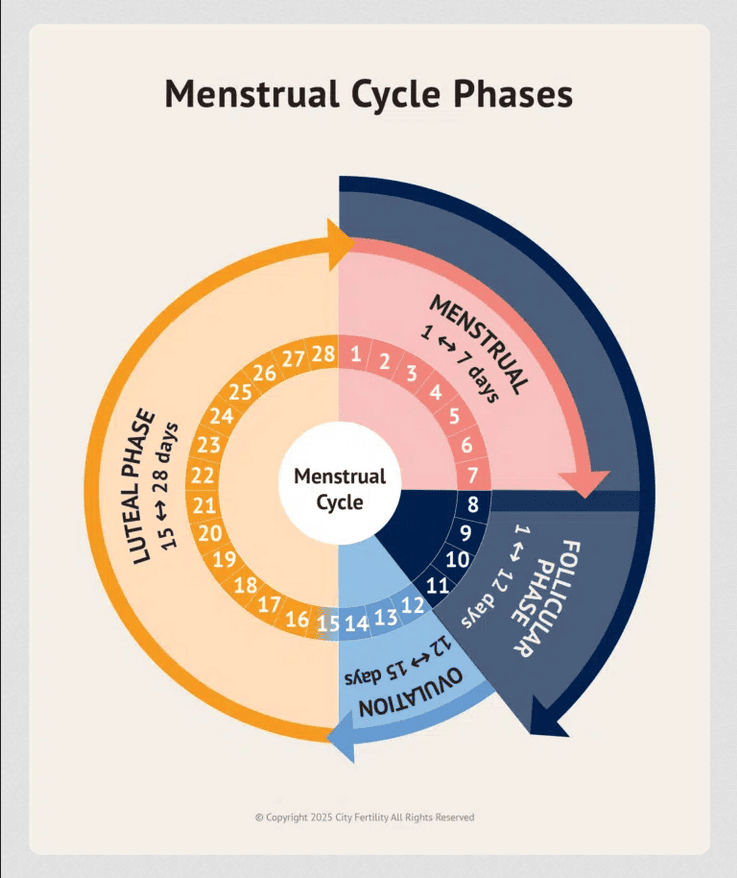
| Phase | Duration (Approx.) | Key Hormone Change | Main Focus |
|---|---|---|---|
| Menstrual Phase | Days 1–7 | Estrogen & Progesterone are low | Bleeding |
| Follicular Phase | Days 7–14 | Rising Estrogen | Building and repair |
| Ovulation | Day 14 | Estrogen peaks, LH surge | Egg release |
| Luteal Phase | Days 15–28 | Rising Progesterone (and Estrogen) | Preparing for pregnancy or period |
Understanding these shifts is the foundation of cycle syncing your diet and fasting schedule.
How to Eat and Fast During Your Menstrual Cycle
The goal of cycle syncing your fasting and diet is to work with your hormonal shifts, not against them.
Experts suggest that for intermittent fasting, you should limit fasting during the two weeks before your period (the Luteal Phase) and focus your fasting efforts during the Follicular Phase.
1. Follicular Phase (Post-Menstruation to Ovulation)
This phase begins after your period and ends at ovulation.
- Hormonal Environment: Your body is generally resilient and has higher levels of estrogen, which tends to suppress appetite.
- Fasting Strategy (The Ideal Time): This is the most ideal phase for fat loss and experimenting with longer fasting windows (like 16:8 or even longer fasts).
- Why?: High estrogen levels are your secret weapon: they naturally lower your appetite, making longer fasts feel effortless. More importantly, estrogen acts as an internal booster, improving insulin sensitivity and lowering stress response. This is the optimal window for your body to quickly transition into a highly efficient fat-burning (ketogenic) state.
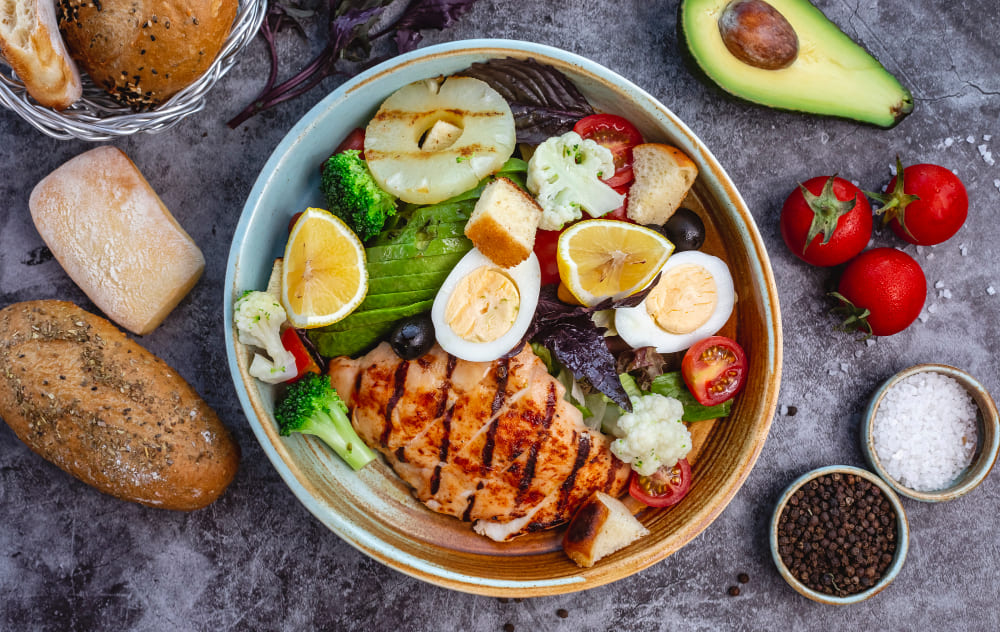
- Dietary Focus: When you break your fast, focus on “high-protein, high-fiber meals with healthy fats” to support estrogen metabolism and stable energy.
- Example: Legumes, fermented foods, oats, cruciferous vegetables (broccoli, cauliflower), and lean protein.
2. Luteal Phase (After Ovulation to Menstruation)
This phase is sometimes called the “pre-menstrual” phase.
- Hormonal Environment: Progesterone is high. Progesterone is crucial but also acts as an appetite stimulant, meaning you will naturally feel hungrier. Your basal metabolic rate (BMR) also increases, meaning you need more calories.
- Fasting Strategy (Proceed with Caution): This is the time to reduce the intensity and duration of fasting, or stop entirely. Aggressive fasting during this phase can be stressful on the body, potentially contributing to higher cortisol and disrupting the delicate progesterone balance.

- Dietary Focus: Your body is naturally in a fat-burning state during this phase, but it requires strategic eating to maintain it.
- The Switch: Eating too many simple carbohydrates will quickly switch your body out of the fat-burning state to preferentially burn the glucose/sugar.
- The Strategy: Switch over to a lower-carbohydrate, higher-fat, and higher-protein diet to minimise blood sugar spikes and maintain satiety despite the progesterone-driven appetite increase.Don’t ignore the inevitable sweet tooth that often surfaces now. Instead of reaching for high-sugar processed snacks, strategically satisfy your cravings with whole, low-calorie fruits like berries or apples.These choices deliver natural sweetness, essential fiber, and antioxidants, stabilising your mood and energy without the blood sugar crash.
- Example: Root vegetables, leafy greens, complex carbohydrates in moderation (brown rice, quinoa), and plenty of healthy fats (avocado, nuts, seeds).You can also opt for foods such as lemon, ginger, turmeric and cruciferous vegetables that are beneficial for balancing your hormones and supporting liver function.
3. Menstrual Phase (Your Period)
- Fasting Strategy: Fasting is not recommended during this time. Your body is undergoing a physically demanding process, and your hormones (estrogen and progesterone) are at their lowest point, which can increase sensitivity to stress. Focus on rest and nourishment.

- Dietary Focus: Prioritise nutrient-dense foods to replenish lost blood and support recovery.
- Example: Iron-rich foods (red meat, spinach, lentils), Vitamin C to aid iron absorption, magnesium-rich foods to help with cramps, and warming soups/stews.Consuming red dates at this time also supports the body in replenishing lost blood (increasing hemoglobin and ferritin levels) and combats the fatigue common after a period. They are noted for their high content of Vitamin C and iron.
Expand your knowledge on the menstrual cycle with this article on knowing the top reasons for a delayed period: Why Is My Period Late? 10 Reasons & When to Worry.
How Does This Change During Peri-Menopause and Menopause?
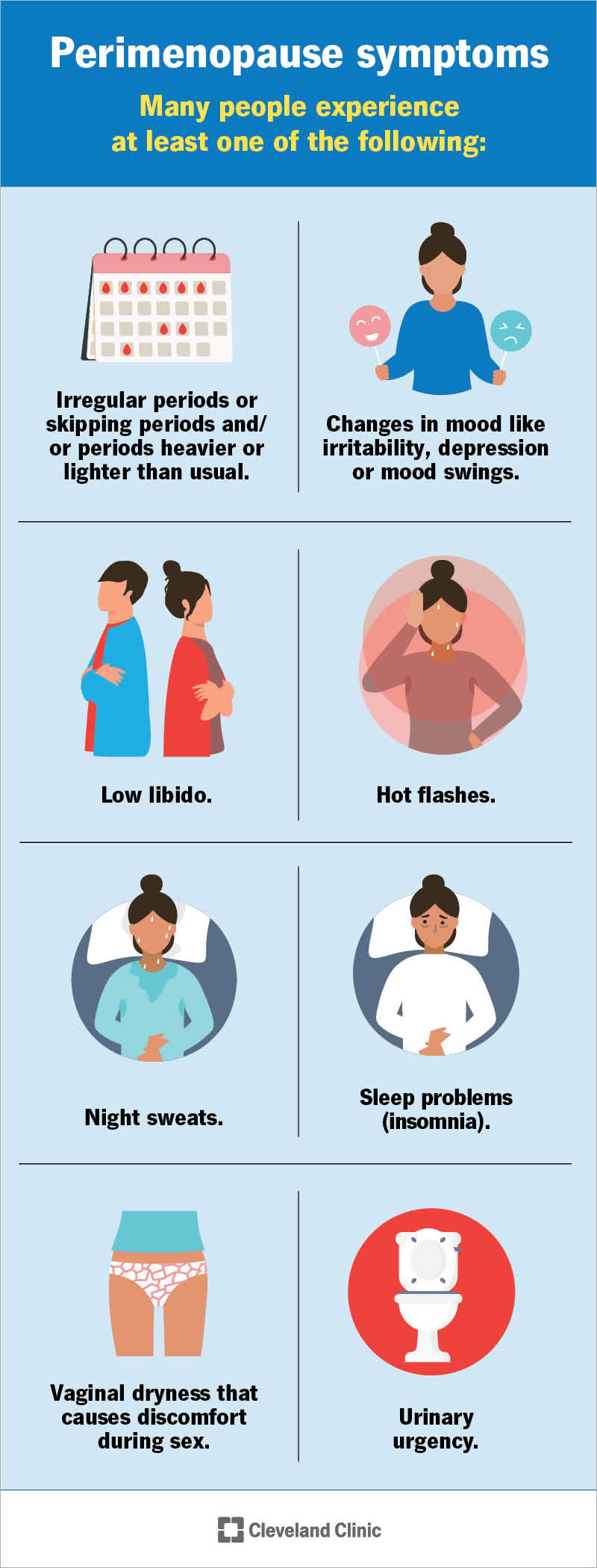
The rules of fasting change significantly as you transition into peri-menopause and menopause, which is the period marked by the rapid decline of estrogen and progesterone.
This phase presents the highest risk for weight gain, requiring a dedicated and consistent strategy.
The Hormonal Shift and Metabolic Change
| Hormonal Change | Physiological Effect | Impact on Health & Weight |
|---|---|---|
| Estrogen and Progesterone Decline | The protective and beneficial effects of these hormones on metabolism, heart health, and bone density start to diminish. | Your body loses the hormonal "advantage" it had for managing stress, balancing blood sugar, and maintaining lean muscle mass. |
| Weight Redistribution | The dramatic drop in estrogen can cause a metabolic shift where fat storage patterns change. | Fat is increasingly directed toward the abdomen (visceral fat), rather than the hips and thighs. Visceral fat is more metabolically active and poses greater health risks. |
| Appetite and Fuel Preference | Decreasing estrogen levels often lead to an increase in appetite and, crucially, a reduction in the body’s ability to use fat for fuel. | The body shifts away from a fat-burning state to preferentially burning carbohydrates and glucose. This makes weight loss difficult, as stored fat is harder to access. |
Fasting and Diet Strategy for Weight Management
Since peri-menopause is the period when women are at the highest risk of gaining the most weight, a targeted, consistent approach to diet and fasting is essential to counteract these hormone-driven shifts.
Fasting Strategy
- Post-Menopause
For women who are fully post-menopausal (12 consecutive months without a period), the consistency of intermittent fasting can be highly effective for weight management.Because the intense hormonal fluctuations of the cycle are gone, the stress response from fasting is often more predictable. Strategies often focus on shorter eating windows (Time-Restricted Eating) to improve blood sugar control and insulin sensitivity. - Peri-Menopause Caution
Women in the transitional phase should be cautious. Their fluctuating hormones can still make them susceptible to stress from fasting, potentially leading to hormone imbalances or worsened fatigue. It’s vital to listen to your body and consider consulting a healthcare professional before adopting a rigid fasting schedule.
Metabolic Management Diet (The New Focus)
The dietary focus shifts from cycle syncing to metabolic management to sustain muscle mass and control blood sugar.
- Prioritise Protein: This is essential to maintain lean muscle mass, which is the key driver of a healthy metabolism. Aim for a sufficient amount of protein at every meal.
- Increase Fiber: Supports gut health, aids in the clearance of used hormones, and dramatically increases satiety (the feeling of fullness), helping manage the hormone-driven appetite increase.
- Manage Blood Sugar: Strictly reduce highly processed sugars and refined carbohydrates. This strategy prevents major blood sugar spikes, making it easier for your body to stop prioritising glucose burning and switch back toward fat burning for energy.
- Healthy Fats: Continue to include sources of healthy fats (avocado, olive oil, nuts, seeds) for satiety and to support overall hormonal health and nutrient absorption.
Feeling uncertain about your health? Take control of your well-being today. This complete guide breaks down the 8 essential health screening tests for women you need to know about.
Cycle Sync Your Diet and Fast Without A Fuss
Understanding your hormones is the first step toward achieving your health goals, whether it’s weight management or navigating the changes of peri-menopause.
At Island Hospital, we are committed to providing best-in-class care to women at every stage of life.
Our team of experienced Obstetrics and Gynaecology specialists, supported by our in-house dietitians, can offer personalised advice to create a dietary and health plan that is perfectly aligned with your body’s unique needs.
We invite you to learn more about our comprehensive Women’s Health Screening package and schedule an appointment with one of our specialists as your first step!
FAQ
Can fasting mess up hormones?
Yes, it can. For pre-menopausal women, particularly during the high-progesterone luteal phase, extended or aggressive fasting can be perceived by the body as a stressor.
This can raise cortisol levels, which in turn can disrupt the balance of sex hormones, potentially leading to irregular cycles or other hormonal issues. This is why syncing your fasts is crucial.
How many hours of fasting is safe during menstruation?
During the menstrual phase (your period), it is generally best to avoid fasting altogether and focus on rest and nutrient replenishment. If you choose to fast, keep windows very short (e.g., a 12-hour overnight fast) and ensure your eating windows are filled with highly nutritious, restorative foods.
When should a woman not fast?
A woman should generally avoid aggressive fasting:
- During the Luteal Phase (the two weeks before a period).
- During the Menstrual Phase (her period).
- If she is pregnant or breastfeeding.
- If she has a history of eating disorders or a diagnosed endocrine disorder.
What is the best way to lose weight during peri-menopause?
The most effective approach is a combination of strategic diet and movement:
- Prioritise Protein and Strength Training: To preserve muscle mass and boost metabolism.
- Focus on Low-Glycemic Foods: To manage insulin resistance and blood sugar spikes.
- Manage Stress: High cortisol exacerbates central weight gain in peri-menopause.
- Consider Fasting Selectively: Use shorter, consistent eating windows (e.g., 14-hour overnight fasts) that do not cause undue stress.
What is the best fasting schedule for a woman?
For a pre-menopausal woman, the best schedule is a flexible, cycle-synced approach:
- Follicular Phase: 14-hour to 16-hour fasts are often well-tolerated.
- Luteal/Menstrual Phase: 12-hour fasts (overnight only) or no fasting.
For a post-menopausal woman, a consistent 14-hour fast daily can be a sustainable and effective option, combined with a healthy diet.
Related Doctors
Latest Blog Posts

February 18, 2026

February 11, 2026