
13 Jan The Definitive Checklist: Men’s Health Screenings You Can’t Ignore
The Definitive Checklist: Men’s Health Screenings You Can’t Ignore
By Island Hospital | Jan 12, 2026 12:00:00 PM
Men are often great at planning their careers, finances, and fitness routines, but when it comes to booking an appointment with a doctor for a checkup, they tend to drag their feet. The assumption of feeling alright means that they are fine is one of the most common pitfalls.
In reality, early detection is the single most powerful tool you have for a long, healthy life. Preventative healthcare is all about intercepting it long before you notice any symptoms.
Although some health checks are universal, a man’s health screening needs differ significantly from a woman’s as there are specific risks associated with prostate health and cardiovascular diseases requiring targeted tests and assessments.
Island Hospital believes in empowering you with that knowledge with our in-depth guide and age-specific checklist screenings you need, explaining what each test is for and how often you should get it done.
It is time to move preventative care from an afterthought to a priority.
The Men’s Health Screening Checklist: Which Screening Is Right For You?
The screenings you need will change as you age. This quick-reference checklist is inspired by global health recommendations and tailored to help you navigate your preventative health journey, making it easy to see who needs it and how often.
1. Screenings for All Adults (Ages 20 – 39)
| Status | Screening / Test | What It Checks | Recommended Frequency |
|---|---|---|---|
| Blood Pressure | Hypertension, heart health | Annually | |
| Cholesterol (Lipid Profile) | Heart disease risk | Every 5 years (more frequently if high risk) | |
| Diabetes (Blood Glucose/HbA1c) | Risk of Prediabetes or Type 2 Diabetes | Every 3 years (annually from age 45 or if overweight) | |
| Sexual Health (STDs, HIV) | Infections (crucial for high-risk individuals) | Annually or when switching partners | |
| General Physical Exam | Overall health, BMI, basic checks | Annually | |
| Electrocardiogram (EKG) | Heart disease risk | Age 30 | |
| Self-Exams | Lumps at testicles and chest, unusual mole changes on skin, cancerous lesions in mouth. | Monthly by self |
2. Middle Age (Ages 40 – 49)
| Status | Screening / Test | What It Checks | Recommended Frequency |
|---|---|---|---|
| Blood Pressure | Hypertension, heart health | Annually | |
| Blood Test & Urinalysis | Cholesterol, diabetes, kidney or thyroid dysfunction | Every 2 years | |
| Cholesterol (Lipid Profile) | Heart disease risk | Every 5 years (more frequently if high risk) | |
| Eye Exam | Vision, glaucoma, cataracts | Every 2 to 4 years | |
| General Physical Exam | Overall health, BMI, basic checks | Annually | |
| Electrocardiogram (EKG) | Heart disease risk | Every 2 years | |
| Chest X-rays | Lung cancer (for smokers) | Discuss with your doctor | |
| Testosterone Screening | Erectile dysfunction | Discuss with your doctor | |
| Self-Exams | Lumps at testicles and chest, unusual mole changes on skin, cancerous lesions in mouth. | Monthly by self |
3. Older Adults (Ages 50+)
| Status | Screening / Test | What It Checks | Recommended Frequency |
|---|---|---|---|
| Colorectal Cancer Screening | Polyps or early-stage cancer | Every 1–10 years (depending on test type) | |
| Prostate Specific Antigen (PSA) Test | Prostate cancer risk | Discuss with doctor | |
| Abdominal Aortic Aneurysm (AAA) Screening | Swelling of the aorta (for smokers) | Once (typically age 65) | |
| Eye Exam | Vision, glaucoma, cataracts | Every 2 to 4 years | |
| General Physical Exam | Overall health, BMI, basic checks | Annually | |
| Electrocardiogram (EKG) | Heart disease risk | Every 2 years | |
| Osteoporosis/Bone Density | Bone thinning (especially if high risk) | Discuss with your doctor |
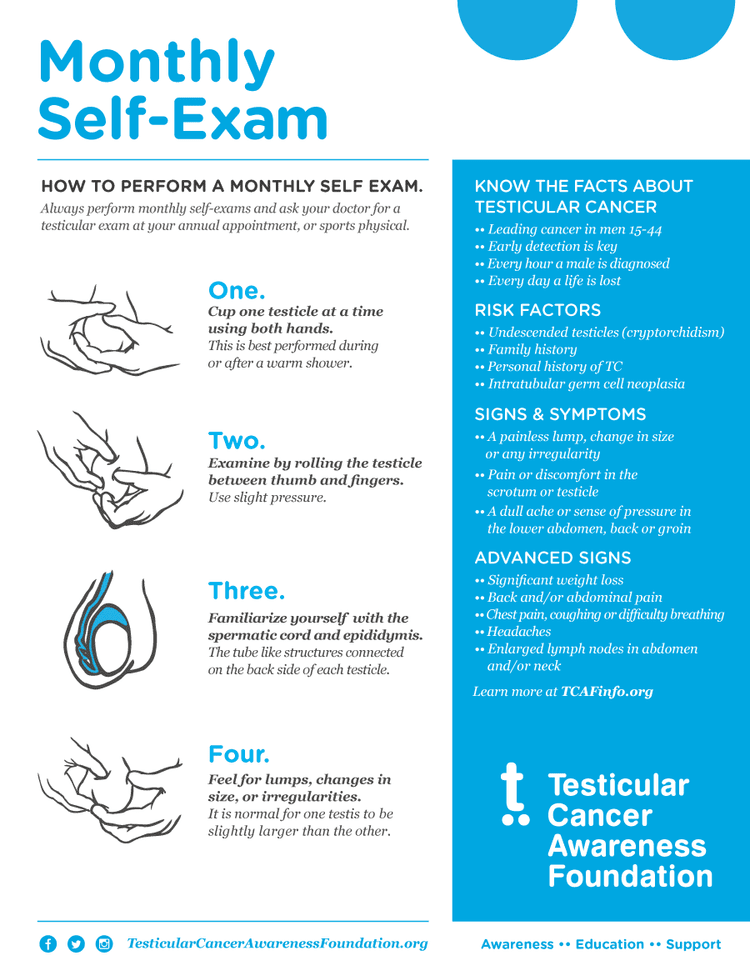
Protect your future by learning the 3 simple steps to perform a life-saving self-exam, giving you the knowledge and confidence for early detection of Testicular Cancer.
Self-Care: Health Checks You Can Do at Home
Taking control of your health starts with self-awareness. Performing quick self-exams allows you to detect subtle changes early and monitor your mental wellbeing. If you notice anything unusual, schedule a professional check-up immediately.
1. Testicle Self-Exam
The most common solid cancer in young men (ages 15–35) is testicular cancer. Once a month, check both testicles for any lumps, changes in size, or discomfort. Early detection is key to a nearly 100% cure rate.
2. Skin Check
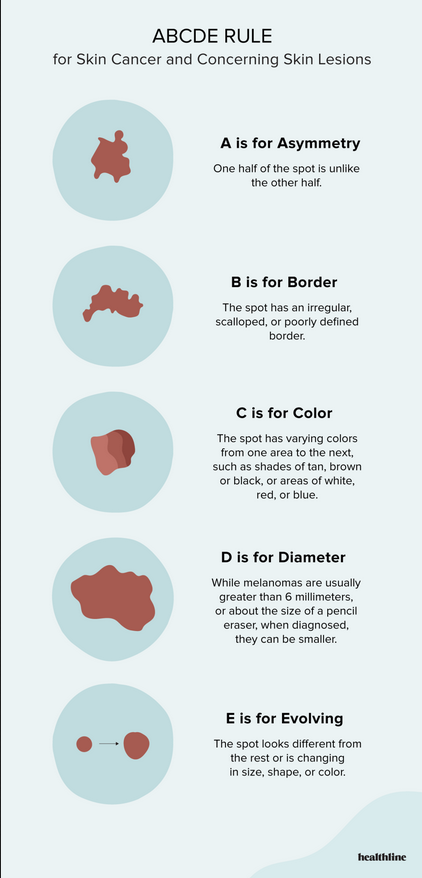
Monitor your skin monthly for any changes in moles, freckles, or lesions using the “ABCDE” rule:
- Asymmetry
- Border irregularity
- Colour variations
- Diameter (larger than 6mm)
- Evolving (changing) appearance
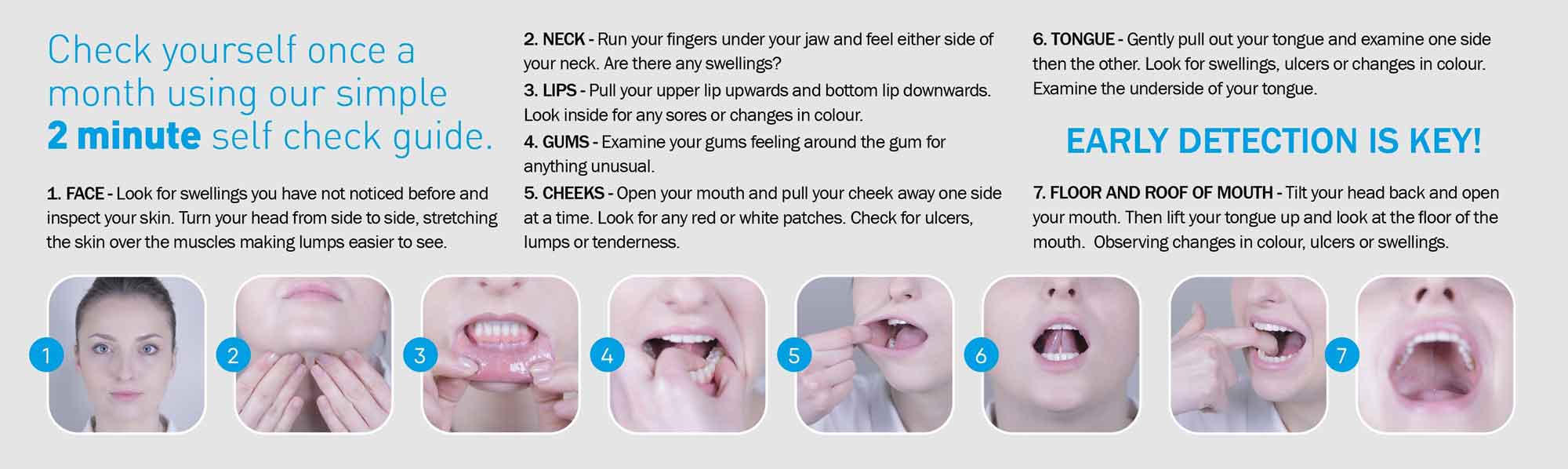
3. Oral Health Check
While not a substitute for a dental exam, visually check your tongue, gums, and cheeks for persistent sores, white or red patches, or lumps. Regular dental exams should be scheduled every 6 to 12 months.
4. Mental Health Assessment
Look after your mind as much as your body. Pay attention to persistent feelings of sadness, anxiety, changes in sleep patterns, or loss of interest in activities. Do not hesitate to seek professional help or confide in a loved one. Mental health is intrinsically linked to physical health.
Did you know that your heart beats 100,000 times a day and over 2.5 billion times in the average lifetime? Do your heart a favor by knowing these 6 Vital Tips to Keep Your Heart Happy and Healthy.
Health Tests and Seeing Your Doctor
While self-exams are beneficial, professional health screening packages provide the in-depth, diagnostic insights necessary to truly secure your future.
A comprehensive health check-up, such as Island Hospital’s Comprehensive Plus Package (Male), is a targeted series of tests designed to give you a complete picture of your internal health.
1. The Foundational Tests: Physical Exam and Blood Work
Every screening starts with a complete physical examination and detailed blood and urine tests.
- Physical Examination: Your Island Hospital physician will review your medical history, measure your height, weight, and Body Mass Index (BMI), and perform a physical check of your body systems.
Cardiovascular disease remains the leading cause of death globally. Screening for heart health is non-negotiable for men, as risk often increases after age 40.
- Blood Pressure: Regular monitoring is essential to catch hypertension, a major risk factor for heart attack and stroke.
- Lipid Profile (Cholesterol): This blood test measures your total cholesterol, ‘bad’ LDL cholesterol, ‘good’ HDL cholesterol, and triglycerides. High levels require immediate lifestyle changes or medication. (This is included in the Island Hospital Comprehensive Plus Package).
3. Diabetes and Blood Sugar
Undiagnosed diabetes can severely damage your organs. Early screening ensures you catch prediabetes—a reversible condition.
- Fasting Glucose Level and HbA1c: The fasting glucose test measures your sugar level after a period of fasting. The HbA1c test gives an overall picture of your average blood sugar levels over the past two to three months, providing a more reliable long-term view. (Diabetes screening is a standard component of our Comprehensive Plus Package).
4. Sexual Health & Infections
Screening for infections is crucial, not just for personal health but also for public health.
- HIV & STDs: Screening for Human Immunodeficiency Virus (HIV) and Sexually Transmitted Diseases (STDs) like Syphilis is vital, especially for individuals with multiple or new partners.
- Hepatitis B and C Screening: These blood tests check for active or previous infections which can lead to severe liver damage, including cancer. (Hepatitis screening is included in the Island Hospital Comprehensive Plus Package).
5. Hormonal and Metabolic Health
As men age, hormonal balance can shift, affecting energy levels, mood, and muscle mass.
- Hormonal Panel/Tests: A full hormone panel for men typically includes checking testosterone levels, thyroid-stimulating hormone (TSH), and other relevant markers. For men wondering, “What age should men get testosterone checked?”—if you are experiencing symptoms like chronic fatigue, reduced libido, or unexplained weight gain, a checkup is recommended regardless of age.
Cancer screening is arguably the most impactful preventative step. Island Hospital focuses on early detection across the main cancer risks for men.
- Prostate Cancer Screening
- When should men get a prostate checkup?
Discussions should begin around age 40, especially if you have a family history or are high-risk. Routine screening (PSA blood test and digital rectal exam) often begins at age 50. - PSA Test
Measures Prostate-Specific Antigen, a protein produced by the prostate gland. Elevated levels may indicate inflammation, enlargement, or cancer. - Ultrasound Abdomen & Prostate
This imaging test provides a non-invasive view of the prostate gland. (Included in the Comprehensive Plus Package).
- When should men get a prostate checkup?
- Colorectal (Bowel) Cancer Screening
- When should men start getting a colonoscopy?
Generally, screening starts at age 45–50 for the average-risk individual, though methods vary. - Methods
Options include the Faecal Immunochemical Test (FIT) to detect hidden blood, or a Colonoscopy for a direct, detailed visual examination of the large bowel.
- When should men start getting a colonoscopy?
- Lung Cancer Screening
- Low-Dose CT (LDCT) Scan
If you are a current or heavy former smoker, a LDCT scan is the recommended method for detecting early-stage lung cancer. This highly sensitive scan provides a clear image of the lungs. (Included in the Comprehensive Plus Package).
- Low-Dose CT (LDCT) Scan
- Testicular Cancer Screening
- Testicular Exam
Performed by a physician during your physical exam, this is crucial for men aged 18–40.
- Testicular Exam
Schedule Your Comprehensive Screening
The most important takeaway is this: you hold the power to control your future health, not just react to illness.
A comprehensive health screening at Island Hospital gives you access to our facilities, modern medical equipment, and a dedicated team of full-time specialists committed to providing best-in-class care. We are committed to diagnosing potential issues quickly and accurately, often with results available within 24 hours for most tests.
Your Path to Peace of Mind: The Comprehensive Plus Package (Male)

For men seeking an in-depth, targeted assessment of all major health risks, we highly recommend the Island Hospital Comprehensive Plus Package (Male).
This package provides a high-value, comprehensive solution, including:
- A complete physical examination and consultation with a Health Screening Physician.
- Extensive lab work (Blood, Urine, Lipid, Glucose, Hepatitis, etc.).
- Targeted Imaging (Low-Dose CT Lung Scan, Ultrasound Abdomen & Prostate).
- Specialised diagnostics (ECG, Chest X-Ray).
- Crucially, the Male Cancer Profile screening for multiple cancer markers.
FAQ
When should men start getting annual exams?
Men should start getting annual wellness exams (general physicals) and foundational screenings for conditions like high blood pressure and cholesterol from the age of 18. This establishes a baseline for your health, tracks risk factors early, and helps foster a crucial partnership with your doctor.
What are the major health concerns for men?
The primary health concerns for men globally are:
- Cardiovascular Disease: Heart attack and stroke.
- Cancers: Prostate, lung, and colorectal cancer.
- Diabetes: Type 2.
- Mental Health: Mental health conditions such as depression and anxiety.
Early screening helps mitigate the risk of all these conditions. You can read more about this in our article: Top 5 Diseases That Men Can Prevent Through Early Screening.
What is a full hormone panel for men?
A full hormone panel is a targeted blood test that measures key hormones and related biomarkers to assess for hormonal imbalances (like hypogonadism). While the specific tests vary, a comprehensive male panel typically includes:
- Total and Free Testosterone: The primary male sex hormone, linked to libido, muscle mass, mood, and energy.
- Thyroid Panel: Checks for thyroid-stimulating hormone (TSH) and T3/T4, which affect metabolism and energy.
- Estradiol (Oestrogen): Can be measured (often using an ultra-sensitive test) as abnormal levels can influence testosterone and overall health.
- Other markers may include LH (Luteinising Hormone) and FSH (Follicle-Stimulating Hormone), which regulate testosterone production.
What age should men get testosterone checked?
There is no fixed age for routine screening. Testosterone levels naturally decline by about 1–2% per year after age 30. You should get tested if you experience symptoms like:
- Chronic fatigue or low energy.
- Reduced libido or erectile dysfunction.
- Unexplained weight gain or reduced muscle mass.
- Persistent sadness or difficulty concentrating.
Testing is generally recommended if symptoms are present, regardless of age.
When should men get a prostate checkup?
Prostate cancer screening, which typically involves a Prostate-Specific Antigen (PSA) blood test and a Digital Rectal Exam (DRE), should start based on your risk profile:
- Average Risk: Start discussions about screening at age 50.
- Increased Risk: Start discussions and a baseline PSA test at age 45 if you are a Black man or have a first-degree relative (father or brother) diagnosed with prostate cancer before age 65.
- High Risk: Start discussions as early as 40 if you have multiple first-degree relatives diagnosed at an early age.
The decision to screen should be a personal one, made after discussing the benefits and potential harms (like overdiagnosis and side effects of treatment) with your doctor.
Related Doctors
Latest Blog Posts

February 18, 2026

February 11, 2026