04 Jun Kidney Stone Pain: Where It Starts and How to Identify It
Kidney Stone Pain: Where It Starts and How to Identify It
By Island Hospital | 4 June 2026. 10:00:00 AM
Kidney stones are frequently cited as one of the most taxing physical experiences a person can endure, yet it remains one of the most preventable conditions in modern medicine.
Whether you are currently in the “acute zone” or have recently survived the ordeal, the fear of a recurrence is a powerful motivator.
To reach the next level, you’ll need to shift from simple hydration tips to high-level strategies.
In this guide, we’ll help you bridge the gap between emergency management and permanent lifestyle shifts, offering a proactive blueprint to ensure that this “once-in-a-lifetime” pain truly happens only once.
What Are Kidney Stones?
Kidney stones (renal calculi) are solid masses made of crystals that develop in the kidneys. They can vary in size ranging from tiny grains like sand to larger stones that block the urinary tract.
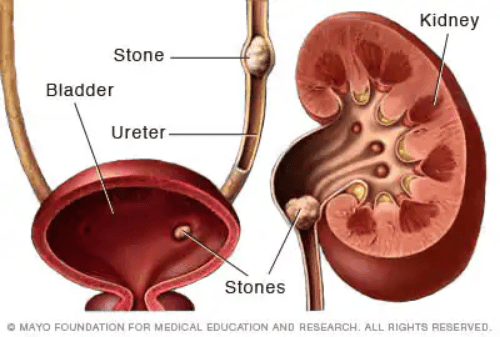
Types of kidney stones
- Calcium oxalate stones (most common)
- Uric acid stones
- Struvite stones (linked to infections)
- Cystine stones (rare, genetic)
When these stones move into the ureter, they can cause intense pain and other symptoms.
Kidney Stone Symptoms: What to Watch For
Kidney stone symptoms can vary depending on the size and location of the stone.
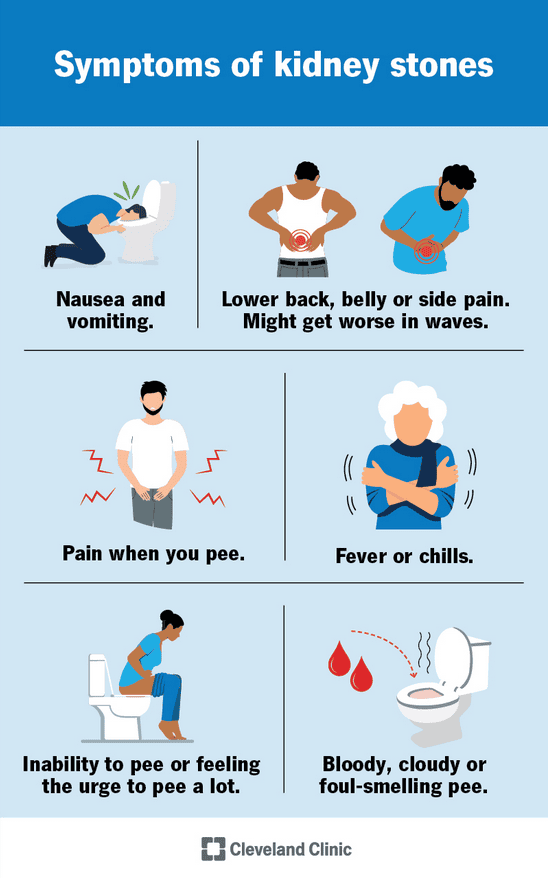
Common symptoms
- Severe pain in the lower back or side
- Pain that radiates to the lower abdomen or groin
- Pain that comes in waves (renal colic)
- Nausea and vomiting
- Blood in urine (pink, red, or brown)
- Frequent or painful urination
Red Flags Requiring Medical Attention
- Fever and chills (possible infection)
- Severe, uncontrollable pain
- Persistent vomiting
- Difficulty passing urine
Kidney Stone Stages of Pain
Kidney stone pain is often described as one of the most intense types of pain a person can experience. It’s typically sharp, cramping, and comes in powerful waves that can stop you in your tracks.
Unlike muscle pain, it often shifts as the stone moves through your urinary tract.
How Kidney Stone Pain Progresses
1. Early Stage (Subtle Discomfort)
You may first notice a dull, aching pain in your lower back or side (flank area). At this point, the stone is still in the kidney or just beginning to move.
2. Acute Stage (Severe, Sharp Pain)
As the stone enters and blocks the ureter, the pain becomes sudden and intense. Many people describe it as stabbing or excruciating which is often severe enough to cause restlessness, nausea, or even vomiting.
3. Radiating Stage (Spreading Pain)
The pain begins to travel downward, moving toward the lower abdomen and groin. This shifting pain is a key sign that the stone is progressing through the urinary tract.
4. Passing Stage (Relief Begins)
Once the stone reaches the bladder, the pain usually eases significantly. You may still feel mild discomfort or a burning sensation when urinating as the stone exits the body.
How Long Does the Pain Last?
Kidney stone pain comes in waves whereby each episode lasting 20 to 60 minutes, with periods of relief in between. These cycles may continue for hours or even days until the stone fully passes.
What Causes Kidney Stones?
Kidney stones form when your urine becomes concentrated, allowing minerals to crystallise and stick together.
Main causes
- Dehydration (leading cause)
- High salt intake
- High oxalate foods (e.g., spinach, nuts)
- Excess animal protein
- Genetic predisposition
Risk factors
- Not drinking enough water
- Obesity
- Digestive diseases
- Certain medications
Kidney Stone Size Chart: Will It Pass Naturally?
The size of a kidney stone is one of the biggest factors in whether it can pass on its own or needs medical treatment. Smaller stones are much more likely to pass naturally, while larger ones may require intervention.
Kidney Stone Size vs Passing Chances
| Stone Size | Chance of Passing | What To Expect |
|---|---|---|
| Less than 4 mm | High (~80%) | Usually passes naturally without treatment |
| 4–6 mm | Moderate (~50%) | May pass with medication and hydration |
| More than 6 mm | Low (<20%) | Often requires medical procedures |
How Long Does It Take to Pass a Kidney Stone?
The time it takes depends on the stone’s size, location, and your body:
- Small stones (<4 mm): Typically pass within a few days to 2 weeks
- Medium stones (4–6 mm): May take 2 to 3 weeks, sometimes longer
- Large stones (>6 mm): Can take several weeks or may not pass without treatment
Keep in mind that size doesn’t always dictate the struggle. Even a tiny stone can cause a surprising amount of pain as it moves, while larger ones run the risk of getting stuck and causing serious complications.
It’s always best to get a professional opinion sooner rather than later.
Kidney stones can be painful but they’re treatable. Learn the symptoms, causes, and effective removal options in our guide on 4 Treatment Methods for Kidney Stones.
Why Kidney Stones Are More Common in Hot Climates
Kidney stones are significantly more common in hot and humid regions. The main reason? Chronic dehydration, which can quietly increase your risk without obvious symptoms
Why Heat Increases Kidney Stone Risk?
When you’re exposed to high temperatures, your body loses more fluid through sweat. If you don’t replace those fluids adequately, your urine becomes more concentrated.
This creates the perfect environment for crystals to form and grow into stones.
Key factors include:
- Increased sweating: More fluid loss reduces the amount of urine your body produces
- Concentrated urine: Minerals like calcium and oxalate become more likely to crystallise
- Hidden dehydration: Mild dehydration often goes unnoticed, especially in humid climates
Common Lifestyle Risks in Hot Regions
Certain habits can further raise your risk:
- Choosing sugary drinks over water: Beverages like soda or sweet tea can worsen dehydration and increase stone risk
- High-sodium diets: Processed foods and salty street foods can raise calcium levels in urine
- Frequent heat exposure: Outdoor work or prolonged time in the sun increases fluid loss
How to Protect Yourself
Hydration is your best defense. Aim to drink enough fluids to keep your urine light yellow or clear throughout the day.
Other helpful tips:
Kidney Stone Diet: What to Eat and Avoid
Your diet plays a major role in both preventing and managing kidney stones. The right food choices can help reduce mineral buildup, while the wrong ones may increase your risk.
Foods to Limit or Avoid
Certain foods can raise levels of oxalate, sodium, or uric acid that are key contributors to kidney stones:
- High-oxalate foods: Spinach, beets, nuts (especially almonds)
- Red and organ meats: Can increase uric acid levels
- Processed and salty foods: High sodium raises calcium in urine
- Sugary drinks and soda: Linked to higher stone risk and dehydration
Foods That Help Prevent Kidney Stones
These foods support healthy urine balance and reduce stone formation:
- Citrus fruits (lemons, oranges): High in citrate, which helps prevent crystals
- Adequate calcium intake: Helps bind oxalate in the gut (low-fat dairy is a good source)
- Fruits and vegetables: Provide hydration, potassium, and protective nutrients
- Plenty of water: The most important factor in preventing stones
Sample 1-Day Kidney Stone Diet Plan
A balanced daily menu can help reduce your risk of kidney stones while still being satisfying and easy to follow:
Breakfast: Oatmeal topped with banana, served with low-fat milk
Lunch: Grilled chicken with rice and a side of mixed vegetables
Dinner: Steamed fish with a fresh salad
Snacks: Low-fat yogurt, an apple, or a small handful of nuts (in moderation)
Common Myths About Kidney Stones
There’s a lot of misinformation about kidney stones. Understanding the facts can help you prevent them more effectively.
Myth: Calcium causes kidney stones
Fact: Getting too little calcium may actually increase your risk. Adequate dietary calcium helps bind oxalate in the gut, reducing stone formation.
Myth: Only men get kidney stones
Fact: Kidney stones affect both men and women. While men have historically had higher rates, cases in women are rising.
Myth: Lemon water cures kidney stones
Fact: Lemon water contains citrate, which may help prevent certain stones but it cannot dissolve larger stones or replace medical treatment.
Urologic conditions can affect your kidneys, bladder, and urinary tract often with subtle warning signs. Learn how to recognise common symptoms early and when to seek treatment in our guide on Recognising the Symptoms of Common Urologic Diseases.
Protect Your Kidney Health Starting Today
Kidney stones can be extremely painful but the good news is that they’re often preventable with the right daily habits.
At Island Hospital, our team of urologists is committed to helping you prevent and manage kidney stones through personalised, evidence-based care.
Our approach focuses on:
- Early detection and accurate diagnosis
- Effective treatment tailored to your condition
- Long-term prevention strategies to reduce recurrence
The earlier you act, the better you can protect your kidney health.
Better health starts with a clear starting point. Our Executive Health Screening Package gives us the insights we need to understand your body’s unique needs, including your kidney health, so we can work together on a plan that truly fits your life.
FAQs
What are some foods I should swap for kidney stone prevention?
Simple substitutions in your daily diet can make a big difference. For instance, you may swap foods like:
- Spinach → Cabbage or lettuce
Cabbage and lettuce have lower levels of oxalates which helps reduce stone formation. - Soda → Lemon water
Lemon water is rich in citrate, which helps prevent stone buildup - Processed snacks → Fresh fruit
Lower in sodium and higher in hydration
You don’t need to eliminate foods completely. Instead, focus on balance, portion control, and staying well-hydrated throughout the day.
Who is most at risk for kidney stones?
Kidney stones don’t discriminate, but certain factors can significantly increase your baseline risk. You are more likely to develop them if you fall into one or more of the following categories:
- Age
Adults between the ages of 20 and 50 are in the peak demographic for first-time or recurrent stones. - Hydration Habits
Individuals with chronically low water intake are at the highest risk, as dehydration allows minerals to concentrate and crystallise in the urine. - Dietary Choices
Those who follow high-protein, high-sodium, or high-sugar diets can inadvertently trigger stone formation. - Environment
People living in hot, arid climates are more susceptible due to increased fluid loss through sweat. - Genetics
If you have a family history of kidney stones, your biological predisposition may be higher.
Why do kidney stones come back?
It’s a frustrating reality, but kidney stones are notorious for being “repeat offenders.” If the underlying causes aren’t addressed, your body essentially keeps using the same “recipe” to create new ones.
Statistics show that kidney stones have a high comeback rate. Without proactive changes:
- 50% of people who have had one stone will develop another within 5 to 10 years.
- The risk continues to climb the longer you go without implementing prevention strategies.
If you pass a stone at home, try to catch it and bring it to your doctor for analysis. It’s the easiest way to figure out your specific stone type.
What are the treatment options for kidney stones?
When it comes to treating kidney stones, there isn’t a “one size fits all” approach. Doctors typically choose a path based on how large the stone is, where it’s stuck, and how much pain you’re in.
If a stone is larger than 5-10mm, causing an infection, or blocking your kidney, a urologist will usually step in with one of these common procedures:
- Shock Wave Lithotripsy (SWL)
Uses external sound waves to break stones into tiny fragments without any incisions. - Ureteroscopy (URS)
Involves a tiny camera and laser passed through natural openings to break and “basket” out stone pieces. - Percutaneous Nephrolithotomy (PCNL)
A specialised procedure for very large stones (>2cm) involving a small incision in the back for direct removal.
Are kidney stones dangerous?
Generally, kidney stones are more painful than they are life-threatening. However, they can become dangerous if they lead to specific complications like infections or blockages.
- When they are manageable
Most small stones pass on their own. While the pain is intense, they typically don’t cause long-term harm if you stay hydrated and manage the symptoms. - When they are dangerous
A stone becomes a serious medical issue if it blocks the flow of urine, which can lead to permanent kidney damage. Even more concerning is if a blockage causes an infection (sepsis), which can be life-threatening if not treated immediately.
Related Doctors
Latest Blog Posts
October 20, 2026
October 17, 2026