
30 Mar Why Heart Attacks Are Deadlier for Women (and How to Protect Yourself)
Why Heart Attacks Are Deadlier for Women (and How to Protect Yourself)
By Island Hospital | 30 March 2026. 12:00:00 PM
A heart attack begins with narrowed heart arteries called atherosclerosis. When these pathways are restricted, less blood and oxygen reach the heart muscle.
This condition, known as coronary artery disease, is the primary precursor to a heart attack.
While many associate heart disease with major blockages, women often experience “microvascular” disease which is the narrowing in the tiny vessels rather than just the large ones.
Because these smaller blockages don’t always show up on standard tests, they can be “silent” until it’s too late.
For women, recognising the subtle signs of this “oxygen starvation” is the first step in the “how to protect yourself” part of the equation. Let’s take a dive into this article to learn them.
Symptoms
Women tend to develop symptoms of heart disease at a much later stage of the illness than men. Their symptoms are often vague or ‘non-specific’.
1. Symptoms in Men
- Chest pain
- Chest discomfort
- Shortness of breath
- Nausea
2. Symptoms in Women
- Back, neck or jaw pain or tightness
- Burning sensation in the chest, similar to heartburn
- Chest discomfort
- Dizziness
- Vomiting
- Fatigue
- Lightheadedness
- Nausea
- Shortness of breath
- Sweating
Risk Factors in Women
1. Traditional Heart Attack Risk
- High blood pressure
- High blood sugar levels
- High cholesterol levels
- Smoking and obesity,
- A family history of heart disease, particularly when a father or brother was diagnosed with coronary artery disease (CAD) before age 55, or a mother or sister was diagnosed before age 65
2. Non-traditional Heart Attack Risk
- Endometriosis (Endometriosis has been found to raise the risk of developing CAD by 400% in women under age 40)
- Polycystic ovary disease or PCOS
- Diabetes
- High blood pressure that develops during pregnancy
Heart disease often overlaps with other physiological changes in the body. For a broader look at maintaining your vitality, read our overview of key women’s health issues every woman should be aware of.
What Are The Tests
As women’s symptoms can be subtle, your doctor may use a combination of these tests to get a full picture of your heart health:
| 严重程度 | 治疗方案 |
|---|---|
| 无症状胆结石 | 通常无需立即治疗,但需定期追踪。 |
| 有症状胆结石 | 最常见且有效的治疗方式是腹腔镜胆囊切除术(微创手术)。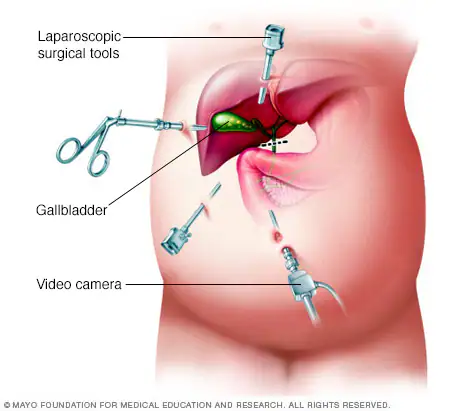 Mayo Clinic 优势:
槟榔医院的普通外科团队拥有丰富的微创手术经验,并采用国际标准操作流程,确保手术安全与术后恢复质量。 |
| 并发症治疗 | 若出现胆囊炎、胆管炎或胰腺炎,需立即住院治疗,可能包括抗生素治疗或紧急手术。 |
Protecting your heart starts with early detection. Stay ahead of silent risks and check out the screening services provided by Island Hospital to detect any signs of heart attack in this article: Everything You Need to Know About Island Hospital’s Health Screening Services.
Understanding Your Treatment: STEMI vs. NSTEMI
Your doctor will choose a treatment plan based on the specific type of heart attack (myocardial infarction) you experienced.
The main factor is whether the coronary artery was completely or partially blocked.
- STEMI (The Complete Blockage)
Standing for ST-Elevation Myocardial Infarction, this is a serious heart attack where an artery is 100% blocked. It requires immediate intervention to “re-open” the vessel and restore blood flow. - NSTEMI (The Partial Blockage)
A Non-ST-Elevation Myocardial Infarction occurs when the blockage is partial or temporary. While it might sound “lesser,” NSTEMIs are incredibly common in women and can cause significant heart muscle damage if not treated aggressively.
As women often have different “plaque” behavior than men, they are frequently diagnosed with NSTEMIs which makes identifying a specific type the first step in your recovery and long-term protection.
What To Do & What To Expect
Important
- Always call your most trusted hospital if you suspect you have a heart attack.
- Treatments differ for a STEMI versus NSTEMI heart attack, although there can be some overlap.
- Hospitals commonly use techniques to restore blood flow to part of the heart muscle damaged during a heart attack.
You Might Receive
- Clot-dissolving drugs (thrombolysis)
- Balloon angioplasty
- Percutaneous coronary intervention (PCI), a mechanical means of treating heart attack
- Surgery
- A combination of treatments
Restoring the Lifeline: Before and After Angioplasty
When a heart attack occurs, every second counts. Below is a look at how modern medicine intervenes to save heart tissue:
- The Blockage
This is a critical obstruction of the Right Coronary Artery. In a heart attack patient, this blockage acts like a dam, preventing oxygen-rich blood from reaching the heart muscle. - The Solution (Coronary Angioplasty)
Using a minimally invasive procedure, doctors navigate a small balloon or stent to the site of the blockage. - The Result
Following a successful angioplasty, blood flow is fully re-established. This immediate restoration of flow is what prevents permanent damage and is a key part of how women can survive and thrive after a cardiac event.
Prevention
Preventing a heart attack is about understanding your unique biological blueprint. Heart disease can be more aggressive in women which is why a proactive defense is your best medicine.
1. Know Your “Female-Specific” Risk Factors
Beyond high cholesterol and blood pressure, women should monitor:
- Pregnancy History
Conditions like preeclampsia or gestational diabetes can double your heart disease risk later in life. - Menopause
A drop in estrogen can lead to stiffer arteries and changes in cholesterol levels. - Inflammatory Diseases
Conditions like Lupus or rheumatoid arthritis (which are more common in women), can significantly increase heart attack risk.
2. The “Power Four” Lifestyle Habits
Small shifts in your daily routine can create a massive shield for your heart:
- Move for 30
Aim for 30 minutes of moderate activity (like brisk walking) five days a week. - The Mediterranean Approach
Focus on leafy greens, olive oil, lean proteins, and berries to reduce arterial inflammation. - Quality Sleep
Chronic sleep deprivation raises cortisol, which can damage a woman’s heart over time. - Manage “Life Stress”
Women often juggle multiple caretaking roles. Chronic stress is a direct contributor to “broken heart syndrome”.
3. Essential Numbers to Track
Don’t just guess, measure. Keep a log of these four vital stats:
Chronic stress does more than just tire you out. It can physically weaken your heart muscle. Discover why women are at a higher risk for stress-induced cardiac events in our deep dive into Broken Heart Syndrome.
Early Heart Attack Detection is Women’s Best Defense
Choosing where to seek a cancer second opinion can feel like knowing who to trust during an already uncertain time. At Island Hospital, the focus is on providing clear guidance, medical expertise, and compassionate support so patients can make decisions with confidence.
For many women, traditional risk factors don’t tell the whole story. At Island Hospital, our cardiologists are equipped with advanced diagnostic tools are designed to:
- Identify “hidden” risks
- Prevent complications
- Provide personalised mapping for you
Together, we can ensure your heart stays healthy, happy, and strong.
FAQs
What is the #1 worst habit specifically for women’s hearts?
Beyond smoking, sedentary behavior combined with chronic stress is a silent killer for women. Women often balance multiple caregiving and professional roles, leading to “high-functioning stress.”
This constant state of “fight or flight” keeps cortisol levels high, which directly damages the lining of the blood vessels and can lead to “broken heart syndrome”, which is a condition that mimics a heart attack and disproportionately affects women.
Can a heart attack happen if I don’t have chest pain?
Yes. This is why heart attacks are often deadlier for women as they don’t always feel like a “crushing weight” on the chest.
Women are more likely to experience “atypical” symptoms such as:
- Unexplained, extreme fatigue (feeling like you’ve run a marathon while sitting still).
- Pain in the jaw, neck, or upper back.
- Nausea or “indigestion” that doesn’t go away with antacids.
- Shortness of breath while performing simple tasks.
How does menopause affect my heart attack risk?
Estrogen provides a natural “shield” for a woman’s blood vessels, helping them stay flexible and open. When estrogen levels drop during menopause, your risk of heart disease rises sharply.
Arteries can become stiffer, and “bad” LDL cholesterol often increases, making the post-menopausal years a critical time for advanced screening at Island Hospital.
Is heart disease hereditary for women?
Yes. If your mother or sister had a heart attack before age 65, your risk is significantly higher. However, genetics is not destiny.
By identifying these risks early through advanced imaging and blood tests, you can take steps to “turn off” those genetic triggers through lifestyle and medical intervention.
What are the first signs of a weak heart?
A “weak” heart (clinically known as heart failure) doesn’t mean the heart has stopped; it means the muscle isn’t pumping blood efficiently. The earliest signs are often subtle:
- Breathlessness: Feeling winded during activities that used to be easy, like walking up a flight of stairs.
- The “Pillow Test”: Needing to prop yourself up with two or three pillows at night to breathe comfortably while sleeping.
- Persistent Fatigue: Feeling exhausted even after a full night’s rest because your muscles aren’t receiving enough oxygen-rich blood.
Related Doctors
Latest Blog Posts

July 20, 2026

July 18, 2026