01 Apr Lump in Your Neck? Everything You Need to Know About Thyroid Nodules
Lump in Your Neck? Everything You Need to Know About Thyroid Nodules
By Island Hospital | 1 April 2026. 12:00:00 PM
Thyroid nodules are a common and often harmless finding, especially with today’s more advanced and widely used health screenings.
In fact, many people discover they have a thyroid nodule without experiencing any symptoms at all and most go on to live perfectly healthy lives without needing treatment.
Thanks to advances in diagnostic imaging and clinical guidelines, doctors are able to accurately assess thyroid nodules and tailor care to each individual. Many patients simply require observation, while others benefit from targeted treatment with excellent outcomes.
The encouraging news is that the majority of thyroid nodules are benign and remain stable over time. When nodules are detected, doctors now have reliable, step-by-step ways to assess them and determine whether simple monitoring is all that’s needed.
In this article, we’ll walk you through on how thyroid nodules are evaluated, what factors doctors look at when assessing risk, and how personalised care plans are created in every stage of your care.
What is A Thyroid Nodule?
A thyroid nodule is an unusual growth of lump that forms in your thyroid gland located at the front of your neck that functions in keeping your body running smoothly.
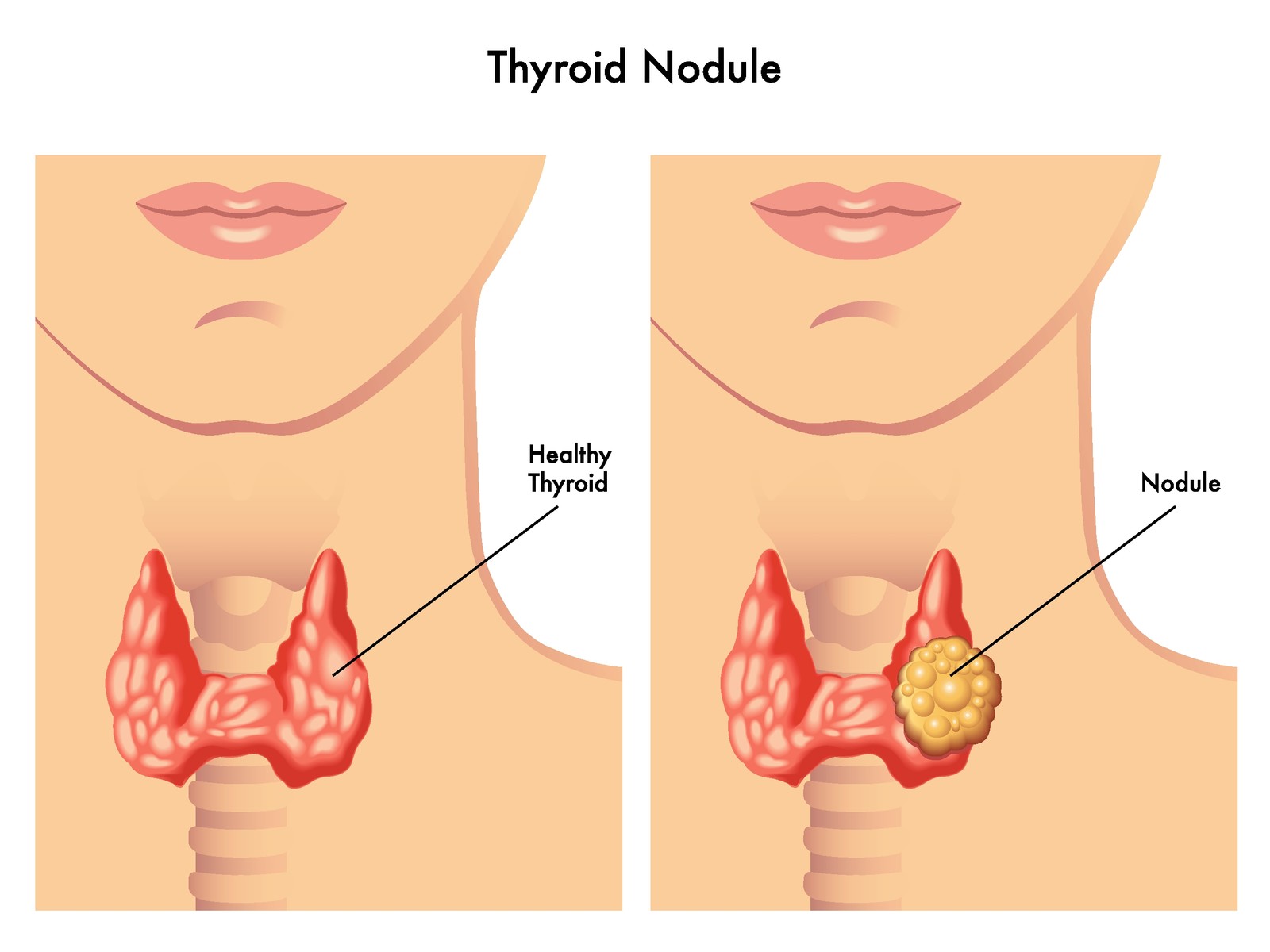
This gland produces hormones that help control things like your energy levels, body temperature, heart rate, and how your body uses energy.
When a nodule forms, it usually does not affect how the thyroid works and many people don’t feel or notice anything at all.
Types of Thyroid Nodules
Not all thyroid nodules are the same. Upon diagnosis, your doctor will usually describe them based on what they’re made of:
- Solid nodules are made up of thyroid tissue. They may need closer checking, but many are still non-cancerous.
- Cystic nodules are filled with fluid and are more likely to be benign (harmless).
- Mixed nodules contain both solid tissue and fluid components.
One Nodule or Several?
Thyroid nodules can also be grouped by how many there are:
- A single thyroid nodule means there is just one lump in the thyroid.
- A multinodular goitre means there are several nodules and the thyroid gland is slightly enlarged. This is quite common, especially as people get older.
Most thyroid nodules are manageable and not a cause for concern. The key is proper assessment, which helps doctors decide whether simple monitoring or further care is needed.
Learn more visually through this short video to understand more about thyroid nodules.
How Common Are Thyroid Nodules & Who Is at Risk?
Thyroid nodules are far more common than most people realise. In fact, they are considered a very normal finding, especially with today’s widespread use of imaging tests.
- Studies show that up to 50–60% of adults may have thyroid nodules that can be seen on an ultrasound.
- They become more common with age.
- Women are affected more often than men, by about three to four times.
Who Is More Likely to Develop Thyroid Nodules?
While anyone can develop a thyroid nodule, certain factors can make them more likely:
- Age and being female, which are the most common factors
- Previous radiation exposure, especially during childhood
- Low iodine levels, which may occur in some dietary patterns
- A family history of thyroid disease or thyroid cancer
- Autoimmune thyroid conditions, such as Hashimoto’s thyroiditis
Thyroid Nodule Symptoms (and Why Many Cause No Symptoms at All)
Thyroid nodules don’t all behave the same way.
While some can cause noticeable physical changes or affect hormone levels, many produce no symptoms.
Whether symptoms appear often depends on the nodule’s size, location, and whether it interferes with normal thyroid hormone production.
1. Symptoms caused by size or pressure
Large nodules may press on nearby structures in your neck, leading to:
- A visible or palpable neck lump
- Difficulty swallowing
- Shortness of breath, especially when lying flat
- Hoarseness or voice changes
2. Symptoms caused by hormone changes
Some nodules interfere with how the thyroid produces hormones, which can result in:
- Hyperthyroidism symptoms: weight loss, heat intolerance, tremors, palpitations, anxiety
- Hypothyroidism symptoms: fatigue, weight gain, cold intolerance, constipation, dry skin
3. When thyroid nodules cause no symptoms
Most thyroid nodules are asymptomatic and are discovered incidentally during imaging performed for other reasons.
This lack of symptoms does not mean a nodule is dangerous but rather that a proper evaluation is still important to determine its nature and whether follow-up is needed.
Having heart palpitations? Feeling unusually sensitive to heat? Losing weight without trying? You might be experiencing hyperthyroidism. Read our full article on: Treatment of An Overactive Thyroid Gland or Hyperthyroidism.
Types of Thyroid Nodules & Their Cancer Risk
Not all thyroid nodules are cause for concern. In fact, most are harmless.
Your doctor will assess a thyroid nodule based on its activity and level of risk. Knowing this makes it easier to choose the right next steps, whether that means follow-up tests or reassurance.
The Difference Between Hot, Warm & Cold Nodules
Thyroid nodules are sometimes described based on how they function during thyroid scans:
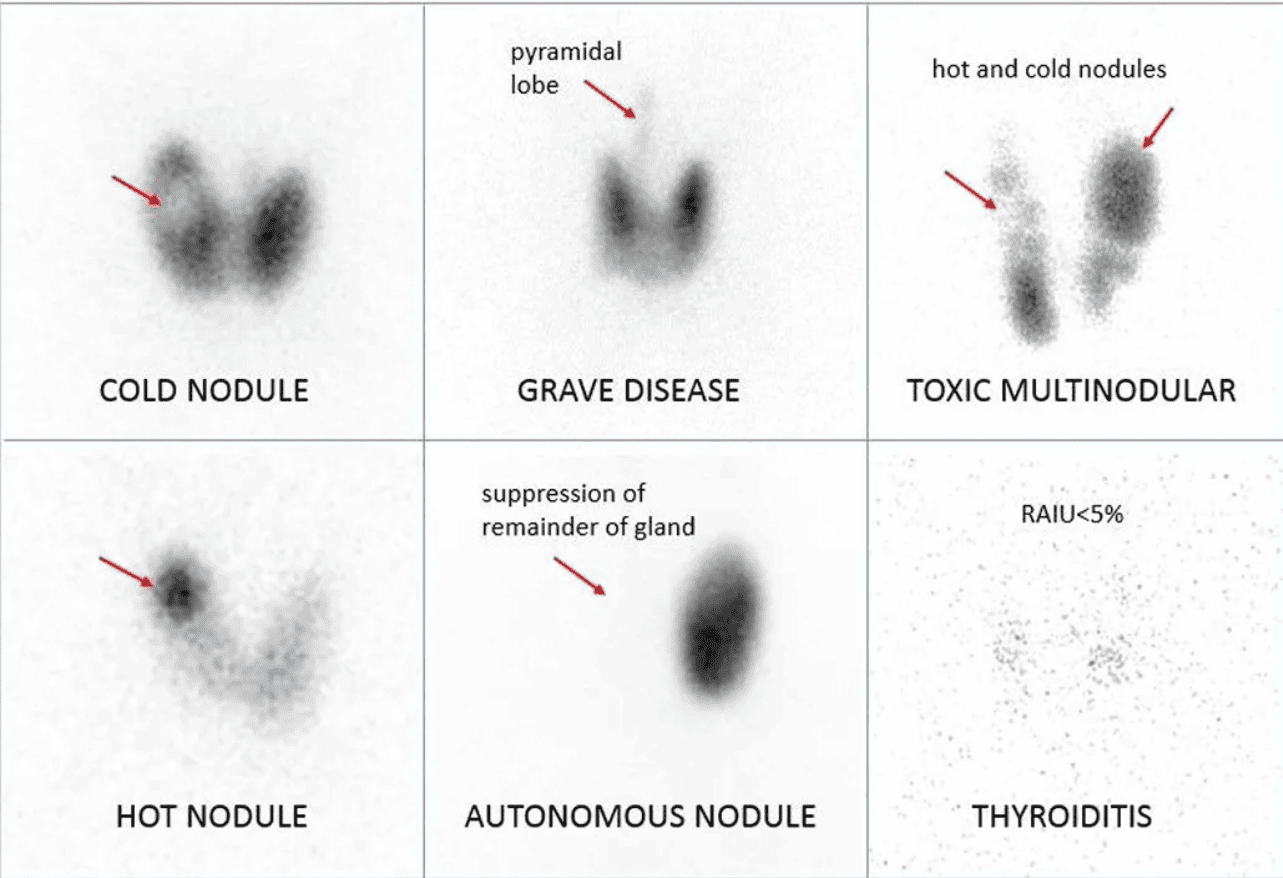
- Hot nodules produce excess thyroid hormone and are usually associated with hyperthyroidism. These nodules are rarely cancerous.
- Warm nodules function similarly to normal thyroid tissue and typically carry a low risk of malignancy.
- Cold nodules do not produce thyroid hormone and appear inactive on scans. These nodules require closer evaluation, as most thyroid cancers fall into this category However, the majority of cold nodules are still benign.
Benign vs Malignant Thyroid Nodules
The good news is that most thyroid nodules are not cancerous:
- Approximately 90–95% of thyroid nodules are benign
- Only 5–10% are malignant
- Common benign nodules include colloid nodules and thyroid cysts
When thyroid cancer is detected early, it is highly treatable, with excellent long-term outcomes in most patients. Ultimately, the best way to prevent it is via early evaluation and an appropriate to ensure accurate prognosis.
How Thyroid Nodules Are Diagnosed Step by Step
Diagnosing a thyroid nodule is usually a gradual and careful process.
Doctors combine blood tests, imaging, and biopsy results (when needed) to understand whether a nodule is harmless or requires closer attention. Most people do not need all tests, and each step helps avoid unnecessary procedures.
1. Blood Tests
Blood tests are often the first step. They help determine whether the thyroid is overactive, underactive, or functioning normally.
These results guide the choice of further testing and can sometimes explain symptoms without the need for invasive procedures.
2. Thyroid Ultrasound
Ultrasound is the most important imaging test for thyroid nodules. It allows doctors to closely examine the thyroid and assess features that help estimate cancer risk, including:
- Nodule size
- Shape and edge definition (margins)
- Presence of microcalcifications
- Blood flow patterns within the nodule
Based on these findings, doctors can decide whether a biopsy is necessary or if simple monitoring is sufficient.
3. Fine Needle Aspiration (FNA) Biopsy
An FNA biopsy may be recommended if the nodule reaches certain size thresholds or has ultrasound features that appear suspicious. The procedure is quick, usually performed in an outpatient setting, and involves minimal discomfort.
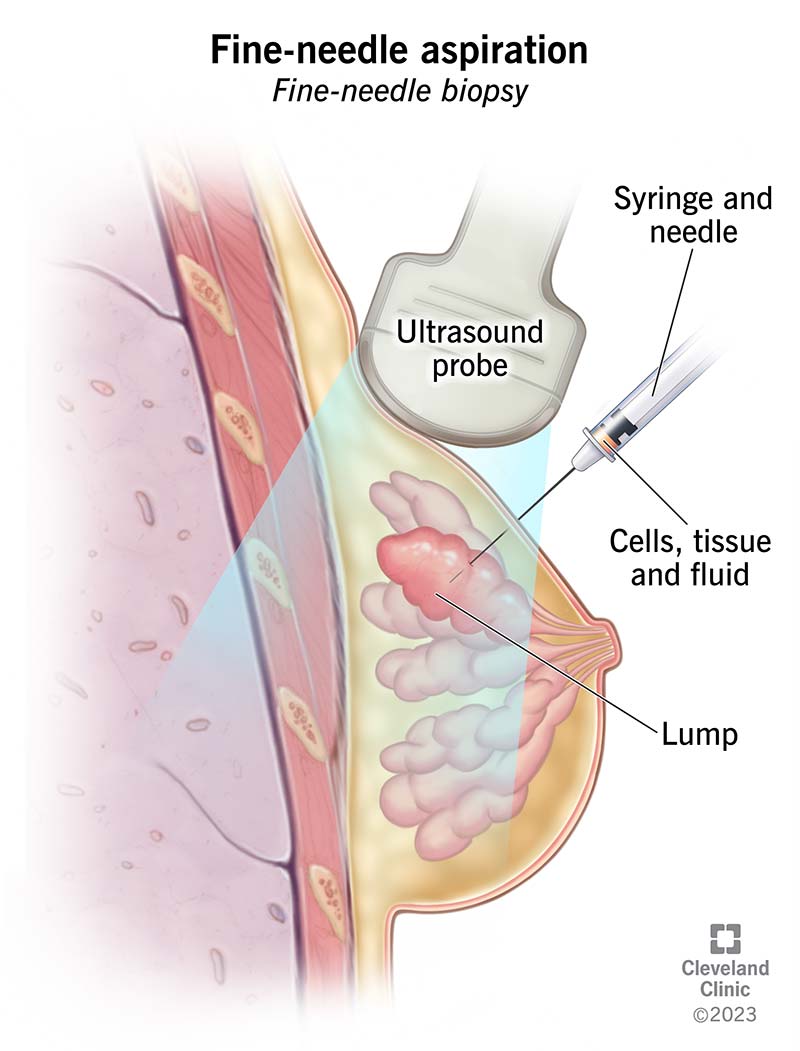
Possible biopsy results include:
- Benign
- Malignant
- Indeterminate
- Non-diagnostic
Most FNA results are benign, providing reassurance and avoiding surgery.
What happens if results are unclear?
If biopsy results are indeterminate or non-diagnostic, this does not automatically mean cancer. Depending on the overall risk profile, next steps may include:
- Repeat biopsy
- Molecular testing (in selected cases)
- Close ultrasound monitoring or, in some situations, surgery
Your doctor will consider all findings together to recommend the safest and most appropriate plan.
Thyroid Nodule Treatment Options
Treatment for thyroid nodules is highly individualised. Many nodules never require intervention, and when treatment is needed, options range from simple monitoring to minimally invasive procedures or surgery—depending on symptoms, growth, and cancer risk.
1. Monitoring
Most benign thyroid nodules do not need active treatment. Instead, doctors recommend regular follow-up, typically with ultrasound every 6–18 months, to monitor for changes in size or appearance. This approach avoids unnecessary procedures while ensuring safety.
2. Medications
Medications may be prescribed if a thyroid hormone imbalance is present, such as hyperthyroidism or hypothyroidism. While medication can help control hormone levels and symptoms, it usually does not significantly shrink existing nodules.
3. Minimally Invasive Treatments
For selected patients, minimally invasive procedures can reduce nodule size and relieve symptoms without surgery. These options may include:
- Radiofrequency ablation (RFA)
- Ethanol ablation
These treatments are typically performed on an outpatient basis and can effectively shrink nodules while preserving normal thyroid tissue.
4. Surgery
Surgery may be recommended in certain situations, including when:
- Thyroid cancer is suspected or confirmed
- The nodule causes significant symptoms, such as difficulty swallowing or breathing
- The nodule continues to grow despite monitoring
Surgical options include partial (lobectomy) or total thyroidectomy. When performed by experienced surgeons, recovery outcomes are generally excellent.
Thyroid cancer affects both your body and emotions. Discover strategies to cope, get support, and stay strong with our full guide on Coping with Thyroid Cancer: Emotional and Physical Support.
When Should You Worry About a Thyroid Nodule?
Consider seeking prompt medical evaluation if you notice any of the following:
Having one or more of these signs does not automatically mean cancer, but they do warrant timely assessment to ensure proper diagnosis and peace of mind.
Thyroid Nodules in Children vs Adults
Thyroid nodules can occur at any age, but they behave differently in children compared to adults:
| Feature | Children | Adults |
|---|---|---|
| How common thyroid nodules are | Less common | More common |
| Risk of malignancy | Higher risk compared to adults | Lower overall risk |
| Approach to biopsy | Lower thresholds for biopsy | Biopsy based on size and ultrasound risk features |
| Monitoring strategy | Closer and more frequent monitoring | Monitoring intervals vary based on risk |
| Specialist involvement | Should always be managed by experienced paediatric specialists | Managed by adult endocrinologists or ENT specialists |
Take Charge of Your Thyroid Health Today
Our experienced endocrinologists and ENT specialists at Island Hospital will work closely with you to:
- Understand your risk and test results
- Discuss monitoring and treatment options
- Create a plan that fits your lifestyle and comfort level
Schedule your thyroid evaluation: Get the expert care and personalised guidance you need today.
Most thyroid nodules are harmless, but early evaluation is key to peace of mind and proper care. Whether your nodule was discovered incidentally or you’ve noticed changes in your neck or symptoms, timely assessment ensures the right plan for you.
FAQs
Can thyroid nodules be prevented?
Not all thyroid nodules can be prevented, but there are steps that may reduce risk or help catch them early:
- Maintain adequate iodine intake: Iodine is essential for healthy thyroid function.
- Go for regular check-ups: People at higher risk (family history, previous radiation exposure) should have routine thyroid evaluations.
- Early evaluation of symptoms: Seek medical attention for any unusual changes in your neck, voice, or thyroid-related symptoms.
How big is too big for a thyroid nodule?
There isn’t a strict size cutoff that automatically means a nodule is dangerous. Doctors consider size along with ultrasound features, growth rate, and other risk factors to decide whether further testing or intervention is needed.
Some large nodules may still be completely harmless.
Can thyroid nodules go away on their own?
Some cystic or fluid-filled nodules may shrink or even resolve naturally over time. However, most thyroid nodules remain stable, do not grow significantly, and do not require treatment unless they cause symptoms or show concerning features.
Do all thyroid nodules need a biopsy?
No. Biopsies are recommended only for nodules that meet specific size or ultrasound risk criteria. Many nodules can be safely monitored with regular check-ups, avoiding unnecessary procedures.
How often should thyroid nodules be monitored?
Monitoring schedules depend on the nodule’s characteristics and risk level. Follow-up ultrasounds are commonly performed every 6 to 18 months, though higher-risk nodules may be checked more frequently.
Your doctor will create a personalised plan to ensure safe and effective monitoring.
Related Doctors
Latest Blog Posts

July 20, 2026

July 18, 2026