
04 Feb Sleep Apnea Solutions: Improve Your Sleep Starting Tonight
Sleep Apnea Solutions: Improve Your Sleep Starting Tonight
By Island Hospital | 4 February 2026. 12:00:00 PM
If so, you might be among the millions silently struggling with sleep apnea. More than just annoying snoring, this sleep disorder . It can silently affect your heart, brain, mood, and overall health, making everyday life feel heavier and more draining than it should.
In this guide, we’ll break down everything you need to know: the common signs and symptoms, hidden health risks, medical and lifestyle solutions, and practical strategies to help you finally reclaim restful, rejuvenating nights.
Yes — you can wake up feeling energised again!
What Is Sleep Apnea?
Sleep apnea is a disorder where your breathing repeatedly stops and starts while you sleep. There are two main types:
Obstructive Sleep Apnea (OSA): Caused by a blockage of the airway, usually when the soft tissue at the back of the throat collapses during sleep.

- Central Sleep Apnea (CSA): Occurs when your brain fails to send proper signals to the muscles controlling breathing.
This constant disruption can prevent your body from reaching deep, restorative sleep, leaving you fatigued due to the recurring drops in oxygen levels, moody, and even putting your long-term health at risk.
Anyone can be affected, but it’s more common in men, older adults, and people with higher body weight.
Common Symptoms You Shouldn’t Ignore
Recognising sleep apnea early is key. Here’s what to watch out for:
- Loud, chronic snoring (often worse when sleeping on your back).
- Pauses in breathing or choking/gasping during sleep.
- Excessive daytime sleepiness – dozing off at work or while driving.
- Morning headaches or dry mouth.
- Cognitive and mood changes – memory lapses, irritability, or depression.
Tip: Awareness is the first step to better sleep and today’s technology makes that easier than ever. Use a smartwatch or fitness tracker to monitor your sleep patterns, oxygen levels, and nighttime disturbances, then pair that data with a sleep diary kept for 1–2 weeks.
Track snoring, breathing pauses, daytime energy levels, and mood changes. Together, these insights provide clues for you to share with your doctor to support faster, more accurate diagnosis and treatment.
Causes and Risk Factors
Sleep apnea normally develops from a combination of physical traits, lifestyle habits, and underlying health conditions.
Here’s a breakdown of what you should know whether you may be at higher risk:
- Obesity: Excess body weight, especially around the neck and upper airway, can narrow or block airflow during sleep. This is one of the strongest risk factors for obstructive sleep apnea.
- Age: The risk of sleep apnea increases after age 40 as throat muscles naturally lose tone, making airway collapse more likely during sleep.
- Gender: Men are diagnosed more often than women. However, women’s risk rises significantly after menopause, when hormonal changes affect airway stability.
- Lifestyle habits: Alcohol, smoking, and sedatives relax the muscles of the throat and interfere with normal breathing patterns, increasing the frequency and severity of apnea episodes.
- Medical conditions: Conditions such as high blood pressure, diabetes, chronic nasal congestion, and thyroid disorders can contribute to or worsen sleep apnea.
Tip: Sleeping on your side can help you breathe better at night.
When you sleep on your back, gravity causes the tongue and soft tissues to fall backward, narrowing the airway and increasing apnea episodes. Side-sleeping helps keep the airway open, reduces breathing interruptions, and supports smoother, more restful sleep for many people.
Health Risks of Untreated Sleep Apnea
Ignoring sleep apnea takes a toll on your body night after night as the repeated pauses in breathing reduces your oxygen intake and forces your brain to briefly wake you up.
Aside from disrupting restorative sleep it triggers long-term health problems where it increases your risk of:
- Heart disease and stroke: Repeated drops in oxygen levels strain the heart, raise blood pressure, and increase inflammation — all of which significantly raise the risk of heart attacks, irregular heartbeats, and stroke.
- Diabetes and metabolic syndrome: Poor sleep and oxygen deprivation interfere with how your body processes glucose, worsening insulin resistance and making blood sugar harder to control.
- Mental health and cognitive issues: Chronic sleep disruption is linked to depression, anxiety, memory problems, poor concentration, and brain fog, affecting both emotional well-being and daily performance.
- Workplace and road accidents: Excessive daytime sleepiness slows reaction time, reduces alertness, and increases the risk of workplace mistakes, driving accidents, and reduced productivity.
From chest pain to breathlessness: Know the common symptoms of heart disease and steps to protect your heart and reduce your risk.
Diagnosis and Medical Treatments
If sleep apnea is on your radar, a generic answer won’t cut it. Proper evaluation matters because this condition shows up differently in every body. The right diagnosis from your ENT specialist can quietly transform your quality of life.
1. How Sleep Apnea is Diagnosed
The most reliable way to diagnose sleep apnea is through a sleep study, either in a sleep lab (polysomnography) or with an at-home sleep test. These studies measure breathing patterns, oxygen levels, heart rate, and sleep stages to determine severity.
2. Medical Treatment Options
Once diagnosed, your healthcare provider may recommend one or more of the following treatments:
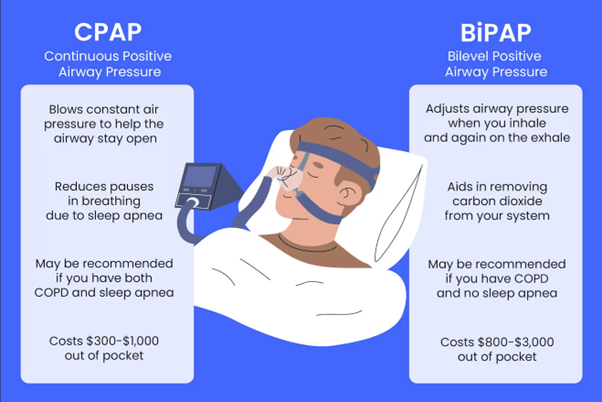
- CPAP (Continuous Positive Airway Pressure): The gold standard treatment for moderate to severe sleep apnea. CPAP keeps the airway open by delivering steady air pressure through a mask, significantly reducing apnea events.
- BiPAP and oral appliances: For people with milder sleep apnea or those who struggle with CPAP, BiPAP machines or custom-fitted oral appliances can help keep the airway open more comfortably.
- Surgery: In rare cases, surgical procedures may be considered to remove or reshape tissue that blocks the airway, or to correct structural issues.
3. Emerging and Newer Therapies
- Positional therapy devices: To focus on your sleeping position, these wearable vibration devices have sensors worn on the chest or neck, gently prompt users to shift onto their side when back-sleeping triggers airway collapse. Unlike the old “tennis ball” trick, these devices adapt over time and are designed for long-term comfort and compliance.
- Implantable devices: For selected patients who cannot tolerate CPAP, implantable neurostimulation devices offer an alternative by stimulating key airway muscles during sleep, helping keep the airway open without a mask or external airflow.
- Medication-based research: While no drug currently replaces mechanical treatments, ongoing research is exploring medications that target airway muscle tone, nerve responsiveness, and breathing control during sleep.
Lifestyle Changes and Home Remedies
Follow this Sleep Apnea Support Checklist at your own pace and start with the actions that feel realistic for you.
Consistent small steps can significantly improve sleep quality and overall health.
Daily and Weekly Habits
- Manage weight gently
Even modest weight changes can reduce airway pressure and nighttime breathing disruptions. - Move your body most days
Brisk walking, resistance training, or swimming can strengthen breathing muscles and improve sleep depth. - Practice airway-friendly breathing
Techniques like nasal breathing, yoga breathing, or Buteyko-style exercises may improve airflow awareness and control.
Night Time Sleep Set Up
- Stick to a consistent sleep schedule
Going to bed and waking up at the same time trains your body to breathe and rest more efficiently. - Create a sleep-first environment
Keep your bedroom cool, dark, and quiet. Power down screens at least 60 minutes before bed. - Change your sleep position
Side-sleeping often reduces airway collapse compared to sleeping flat on your back.
Diet Check
- Limit alcohol in the evening
Alcohol relaxes throat muscles, increasing the risk of airway obstruction during sleep. - Avoid heavy or late-night meals
Especially foods that trigger reflux, which can worsen nighttime breathing. - Lean toward anti-inflammatory foods
Think leafy greens, berries, healthy fats, and whole foods that support airway health.
Struggling with poor sleep, daytime fatigue, or snoring? Find out what recent Malaysian sleep studies reveal and how to improve your sleep: Key Insights and Tips.
When to See A Doctor
Sleep apnea isn’t something to ignore, early medical evaluation can make a big difference. Consider seeking professional help if you notice any of the following:
- Loud, chronic snoring with pauses or choking sounds
Frequent interruptions in breathing during sleep that often goes noticed by your partner, can signal airway blockage.
- Severe daytime fatigue or sleepiness
Struggling to stay alert at work, while driving, or during daily activities is a red flag that your sleep isn’t restorative.
- Morning headaches, chest discomfort, or mood changes
Repeated oxygen dips at night can trigger headaches, elevated blood pressure, irritability, or low mood.
- Other concerning symptoms
Waking up gasping, memory or concentration problems, or new high blood pressure are signs it’s time to be evaluated.
Why it matters: Early diagnosis and treatment can prevent serious long-term complications such as heart disease, stroke, or metabolic issues—and significantly improve your overall quality of life.
Breathe Easier, Sleep Deeper, Live Better
Sleep apnea may be common, but it’s far from harmless—and the good news is, it’s treatable. Spotting symptoms early, combining the right medical treatment with lifestyle changes, and getting expert guidance can transform your nights and your days.
You gain back:
- Restful nights: Sleep deeper and wake up feeling truly refreshed.
- Better health: Lower your risk of heart disease, high blood pressure, and other complications.
- More energy & focus: Stay alert, productive, and in a better mood throughout the day.
Start your journey to better sleep starts with our professional team of ENT at Island Hospital and reclaim those sleepless nights in exchange for more energised days.
Schedule a sleep study or consult a healthcare professional today!
FAQs
Can sleep apnea cause weight gain?
Yes, sleep apnea can contribute to weight gain. Poor sleep affects hormones that regulate hunger and metabolism, such as leptin and ghrelin, which can increase appetite and cravings, especially for high-calorie foods.
Additionally, daytime fatigue from disrupted sleep can reduce physical activity, further contributing to weight gain. Treating sleep apnea and improving sleep quality can help manage weight more effectively.
Is snoring always a sign of sleep apnea?
Not necessarily. While snoring is a common symptom of sleep apnea, not everyone who snores has the condition. Snoring alone can be caused by factors such as nasal congestion, alcohol consumption, or sleeping position.
However, if snoring is loud, frequent, or accompanied by pauses in breathing, gasping, or excessive daytime sleepiness, it may indicate sleep apnea and should be evaluated by a healthcare professional.
Can lifestyle changes alone cure sleep apnea?
Lifestyle changes can significantly improve sleep apnea, especially mild cases, but they may not fully cure it for everyone. Losing weight, avoiding alcohol and sedatives before bed, quitting smoking, and sleeping on your side can all reduce symptoms.
For moderate to severe sleep apnea, medical treatments like CPAP (continuous positive airway pressure) therapy or oral devices are often necessary for effective management.
How long does it take to see improvements with treatment?
Improvement can be noticed quickly. It sometimes happens within a few nights of starting treatment like CPAP therapy. Symptoms such as daytime fatigue, morning headaches, and snoring often improve within days to weeks.
Long-term benefits, including reduced risk of heart disease and improved blood pressure, develop over months with consistent treatment and lifestyle changes.
How do you know if you have sleep apnea?
Sleep apnea is usually suspected if you experience loud snoring, pauses in breathing during sleep, gasping or choking, excessive daytime sleepiness, or morning headaches.
Diagnosis requires a sleep study (polysomnography), which monitors breathing, oxygen levels, heart rate, and sleep stages. Consulting a sleep specialist is the most reliable way to confirm the condition and get an appropriate treatment plan.
Related Doctors
Latest Blog Posts
October 20, 2026

October 17, 2026